

Living on General Mathenge Road: The Complete 2026 Guide to Westlands’ Most Prestigious Address
General Mathenge Road guide 2026 — prices, rentals, schools, security & buying tips for Nairobi’s top Westlands address. Read before you invest.
If you’ve spent any time researching luxury property in Nairobi, you’ve already heard the name General Mathenge Road whispered with a certain reverence. It’s not hype. Few streets in the city deliver this exact combination: forest views, embassy-grade security, a ten-minute commute to the new CBD at GTC, and a tenant pool that pays reliably and stays long-term.
But “prestigious” is a word real estate blogs throw around too casually. What actually makes General Mathenge Road worth a KES 30–75 million commitment — and what should you genuinely watch out for before you sign? This guide answers both questions honestly.
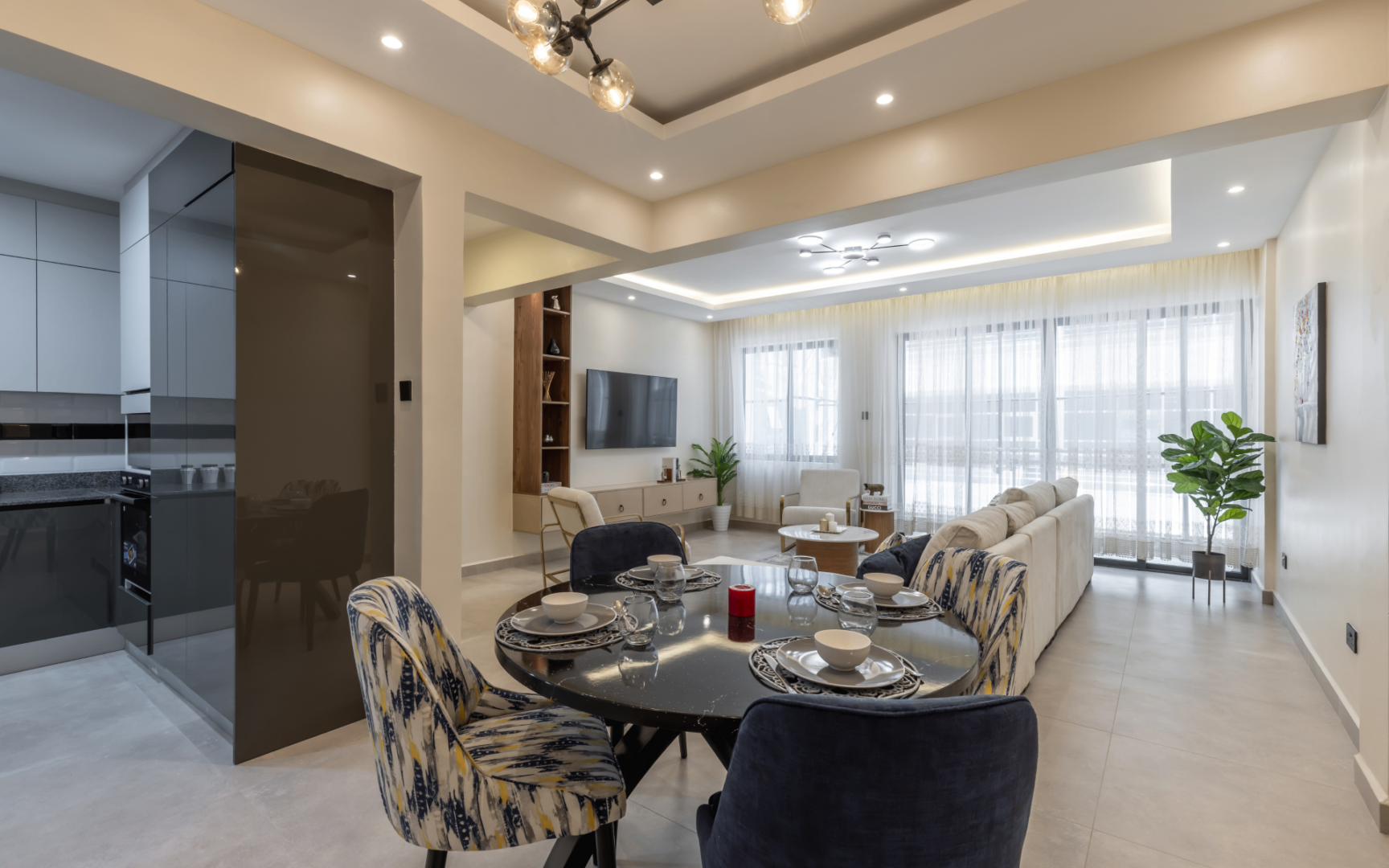
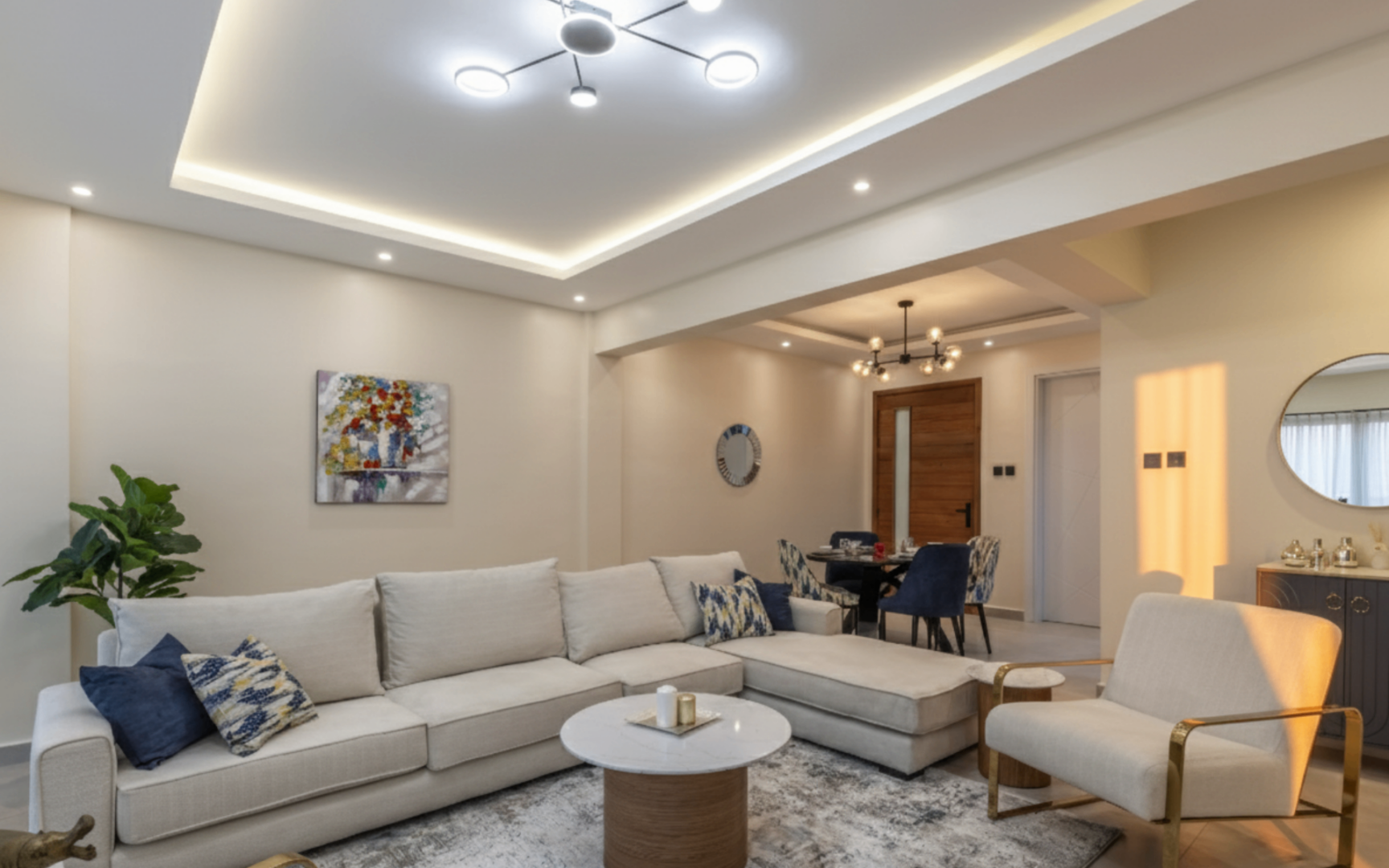
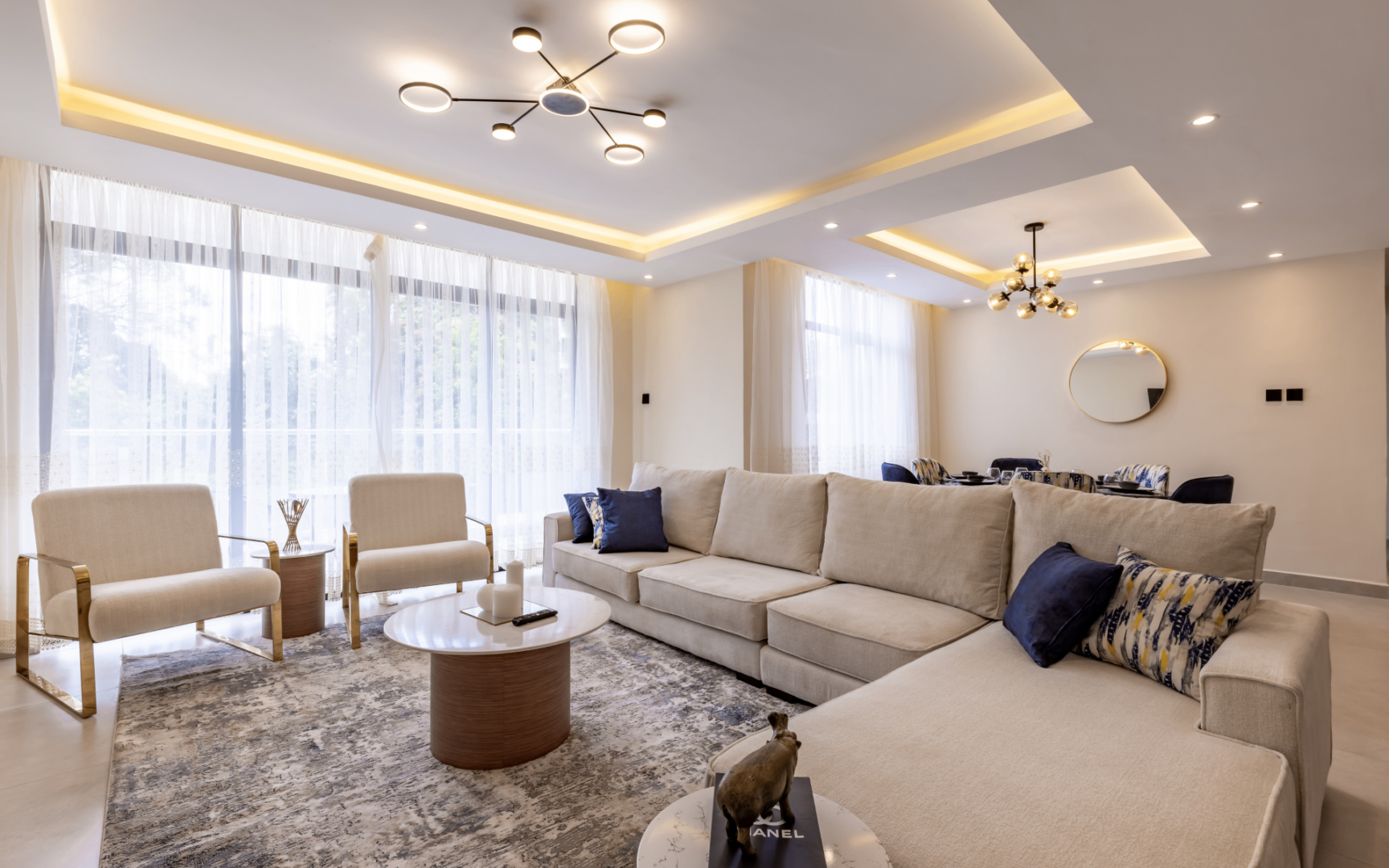
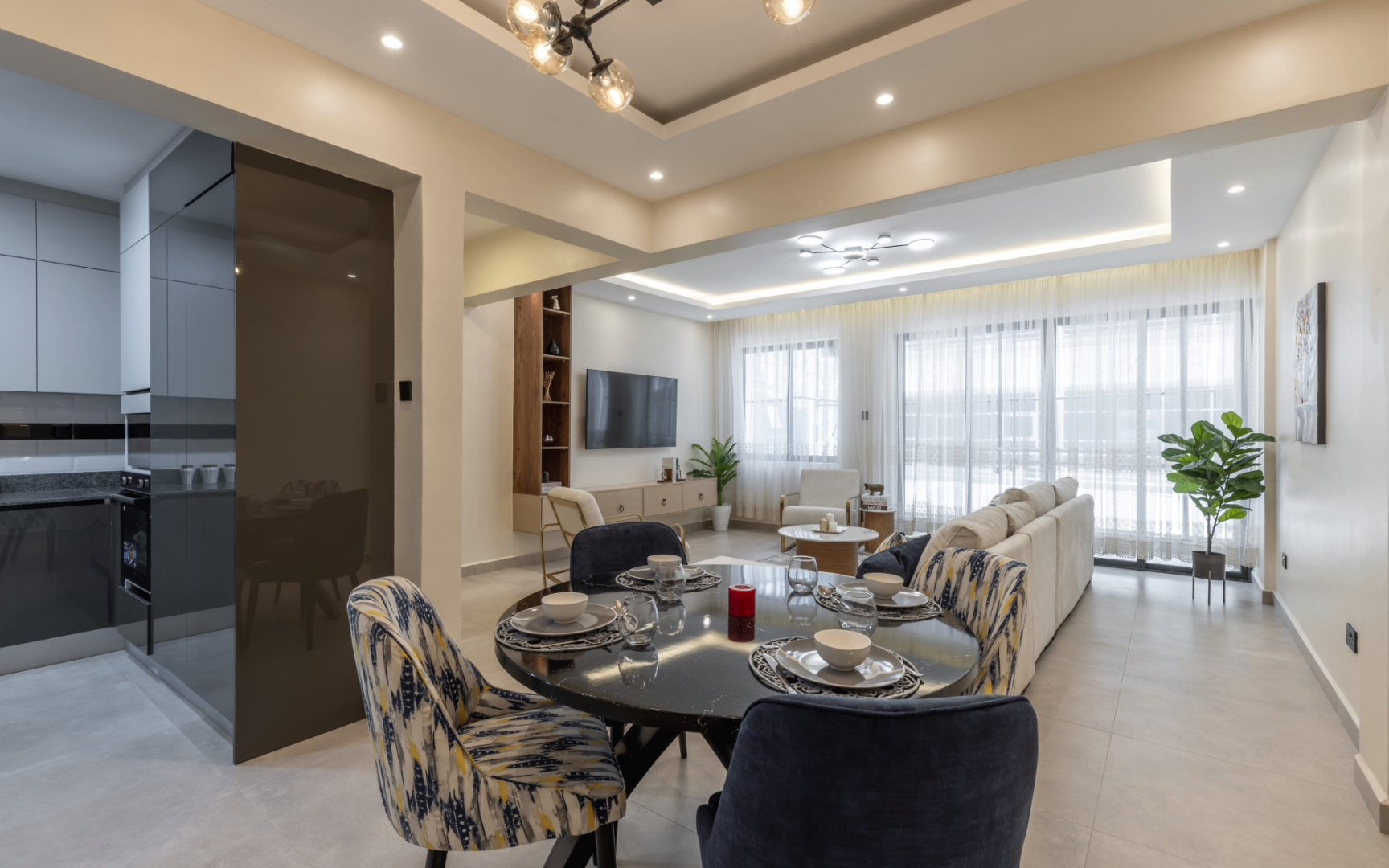
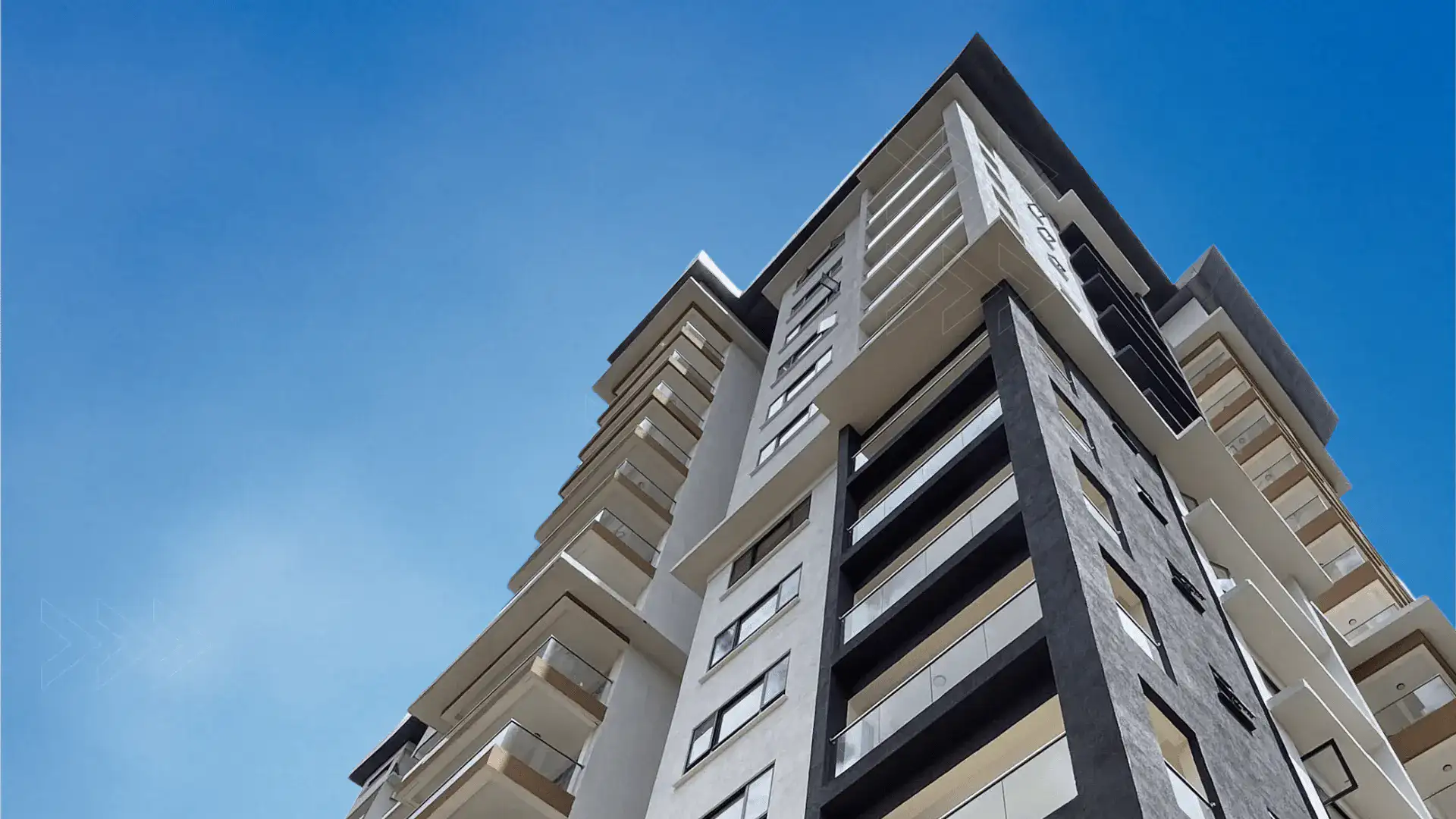
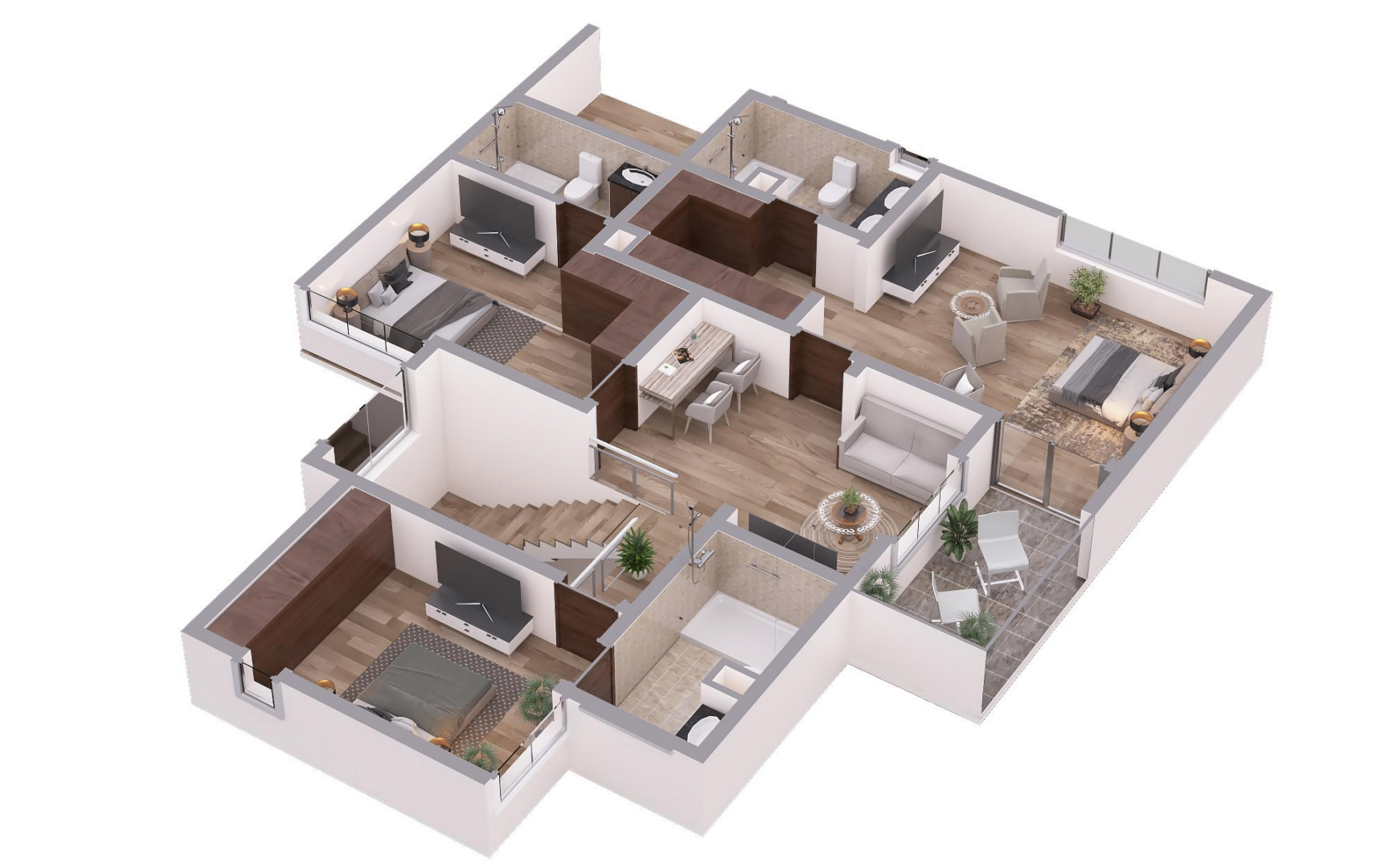
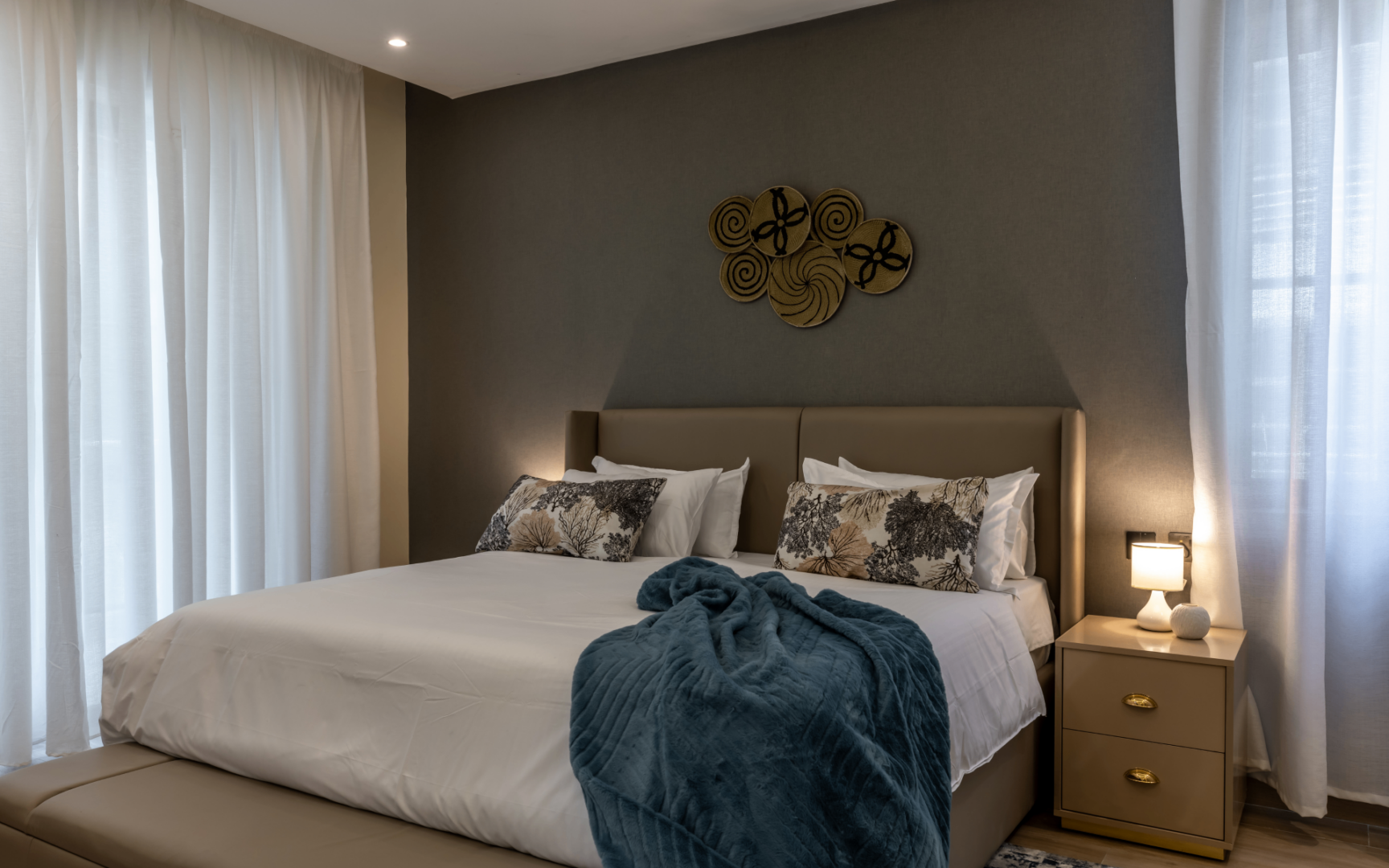
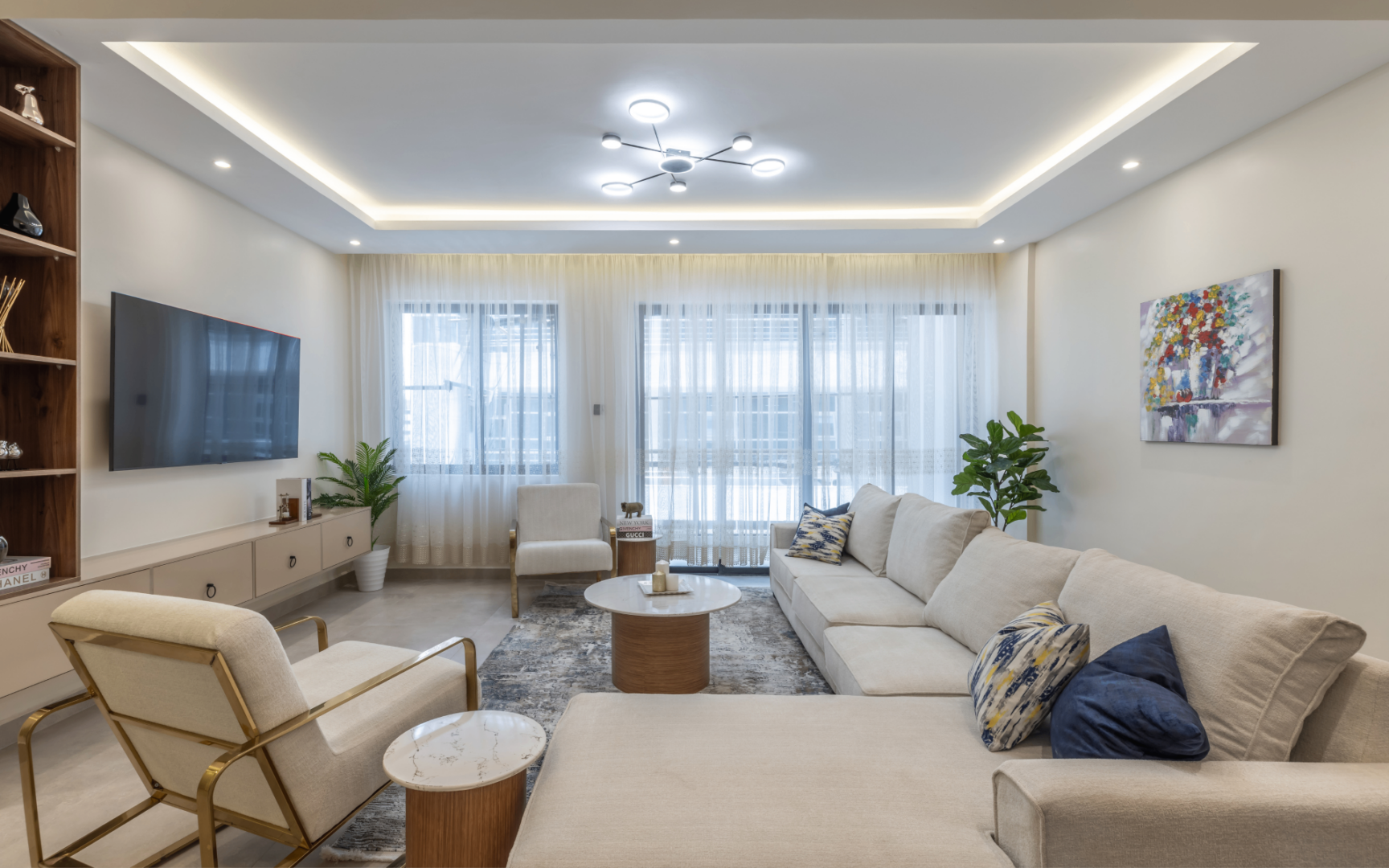
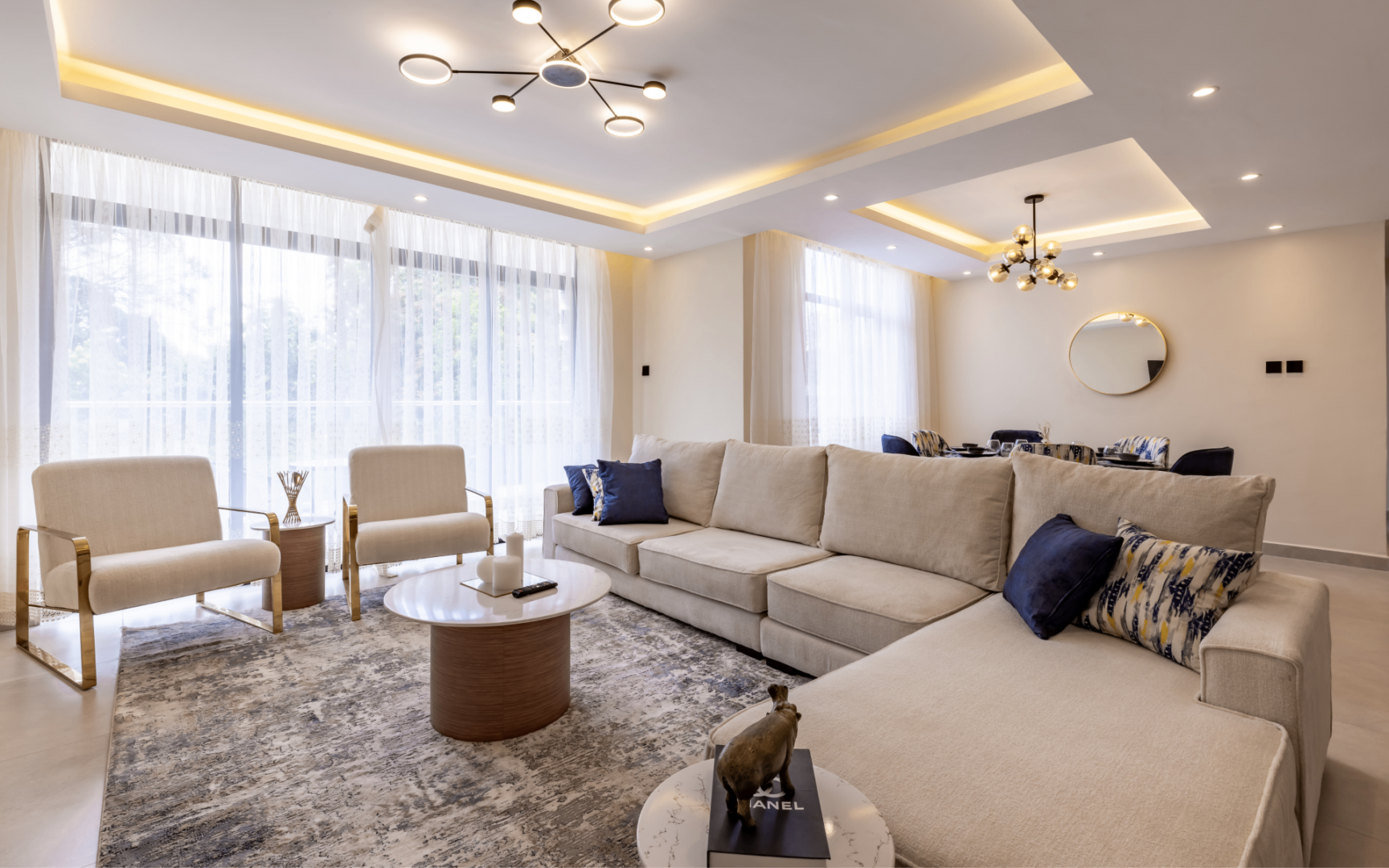
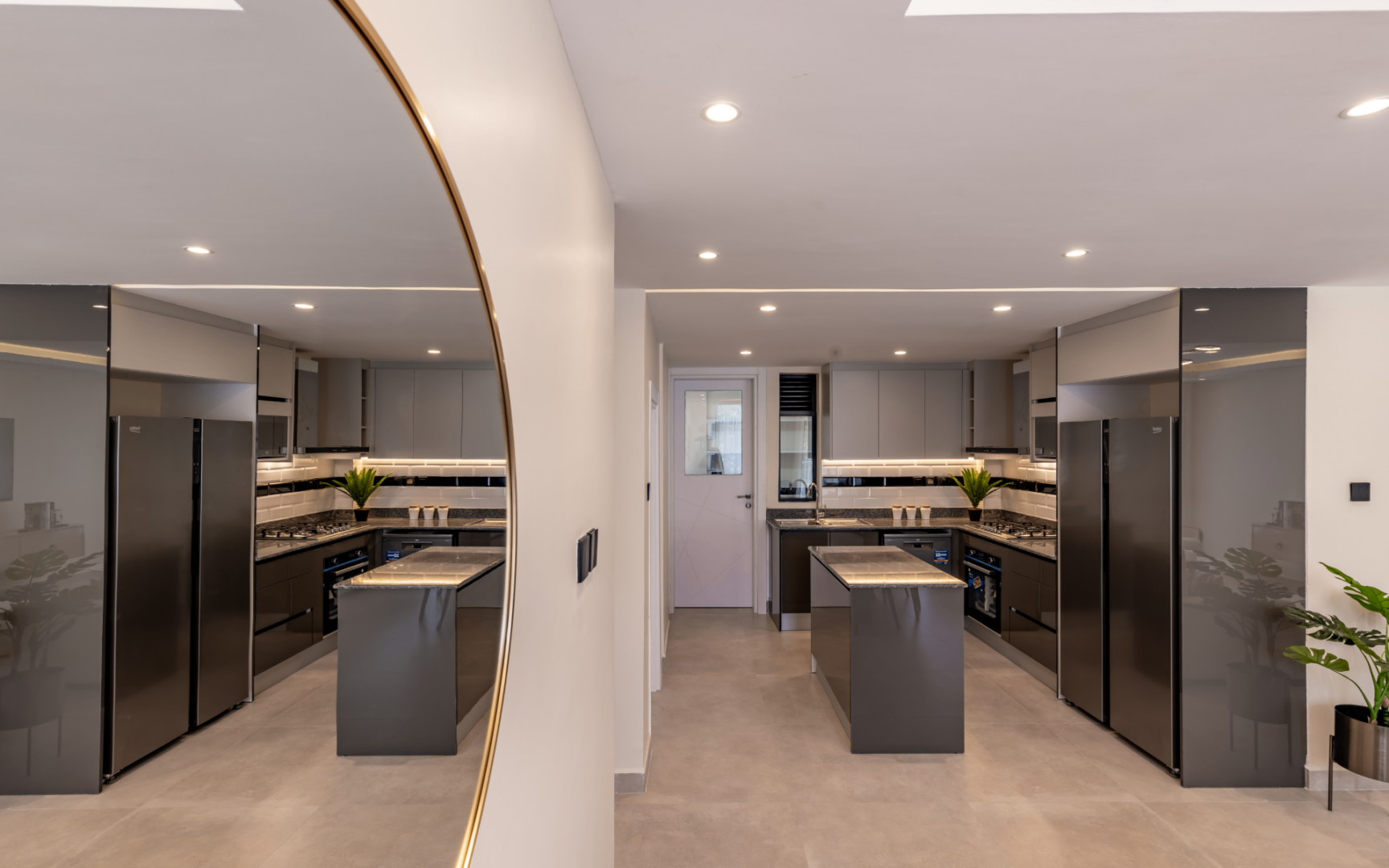
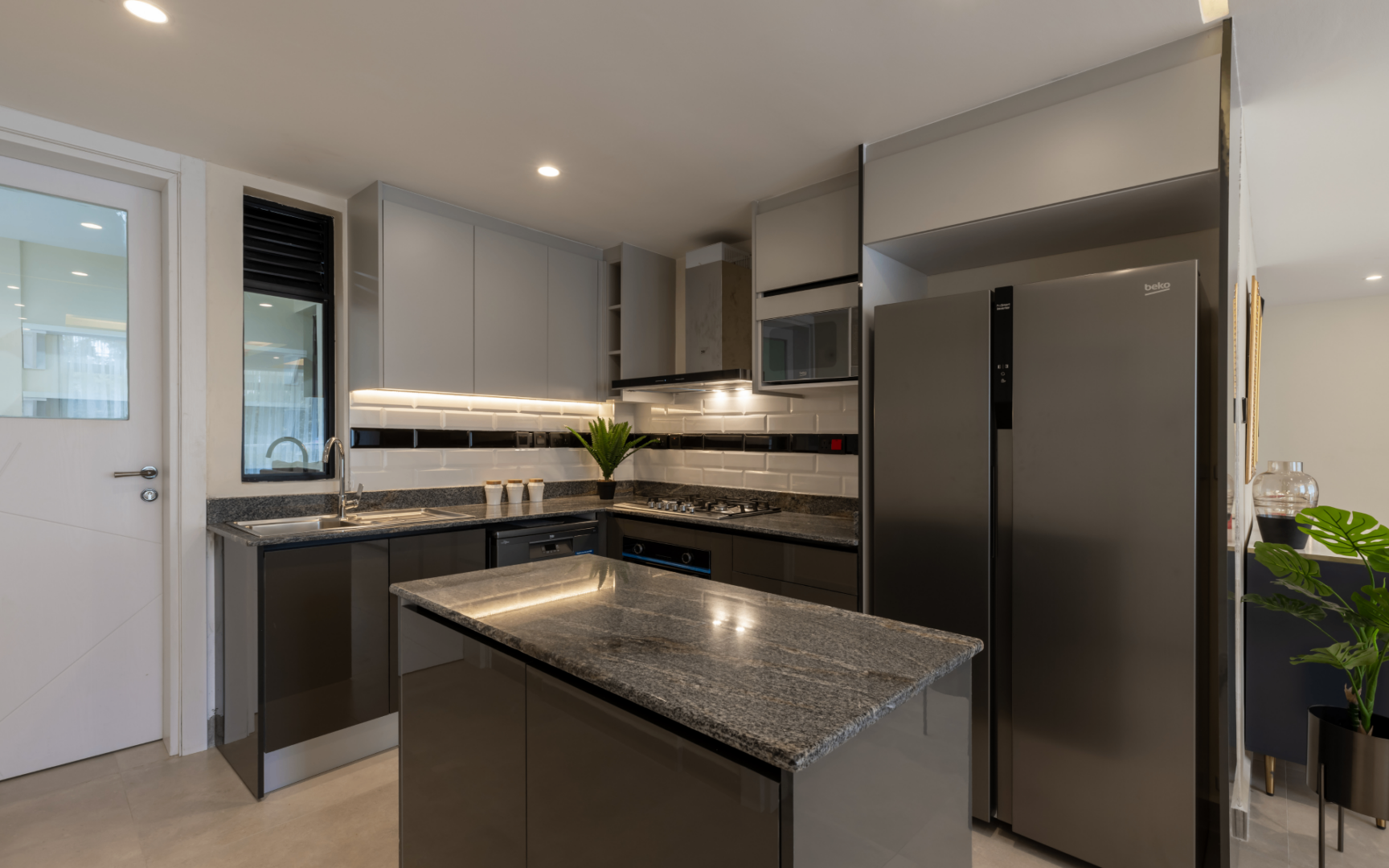
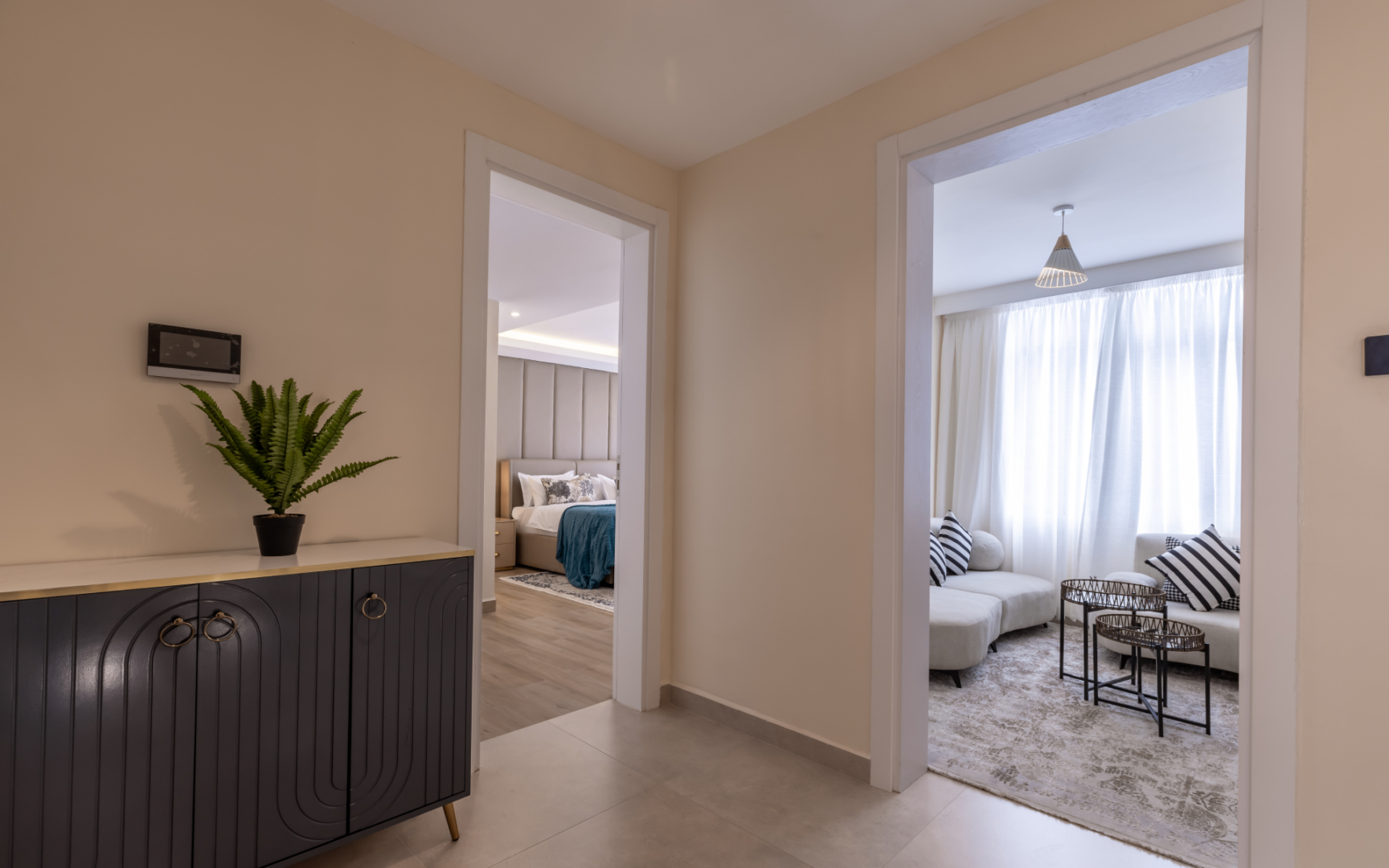
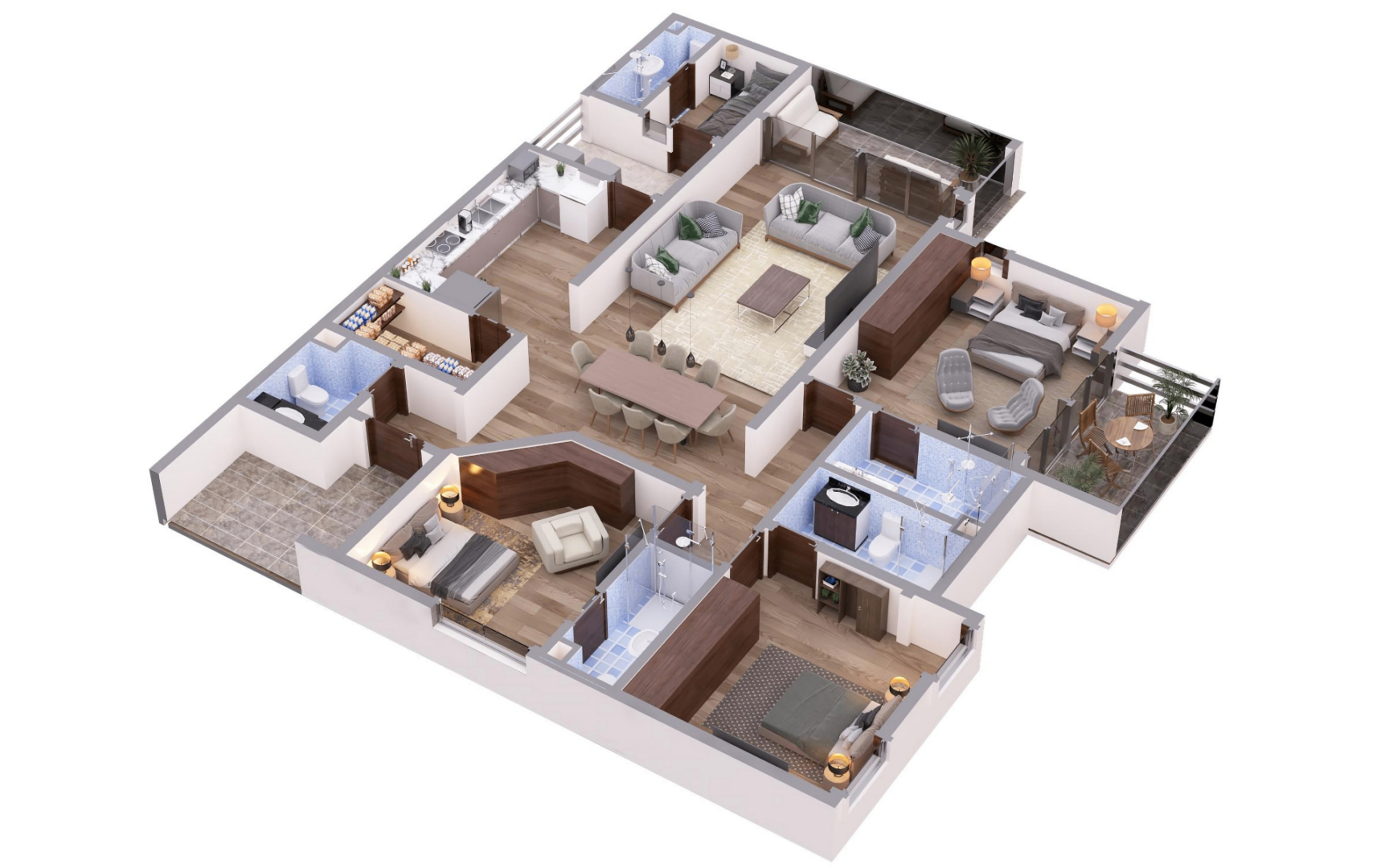
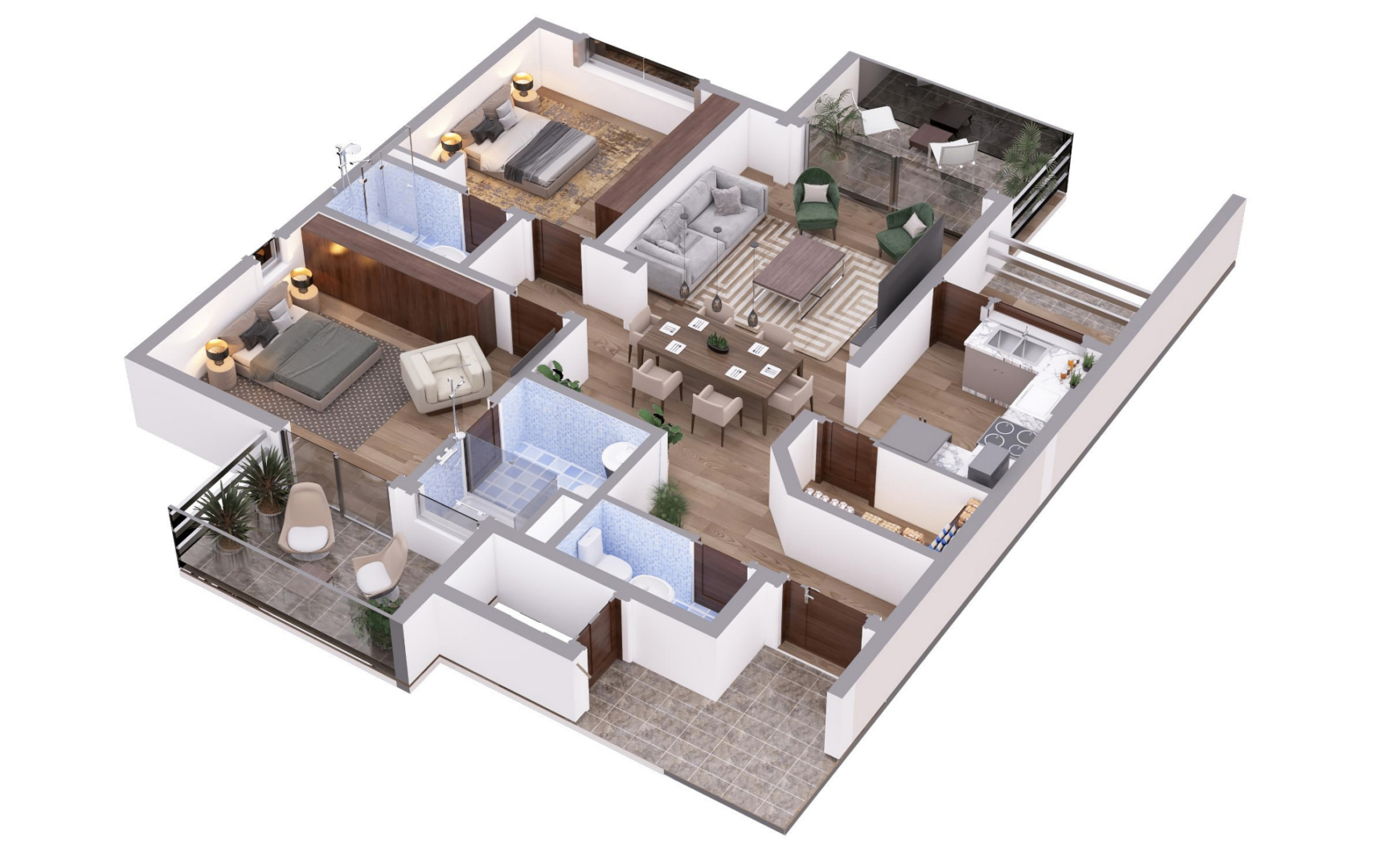
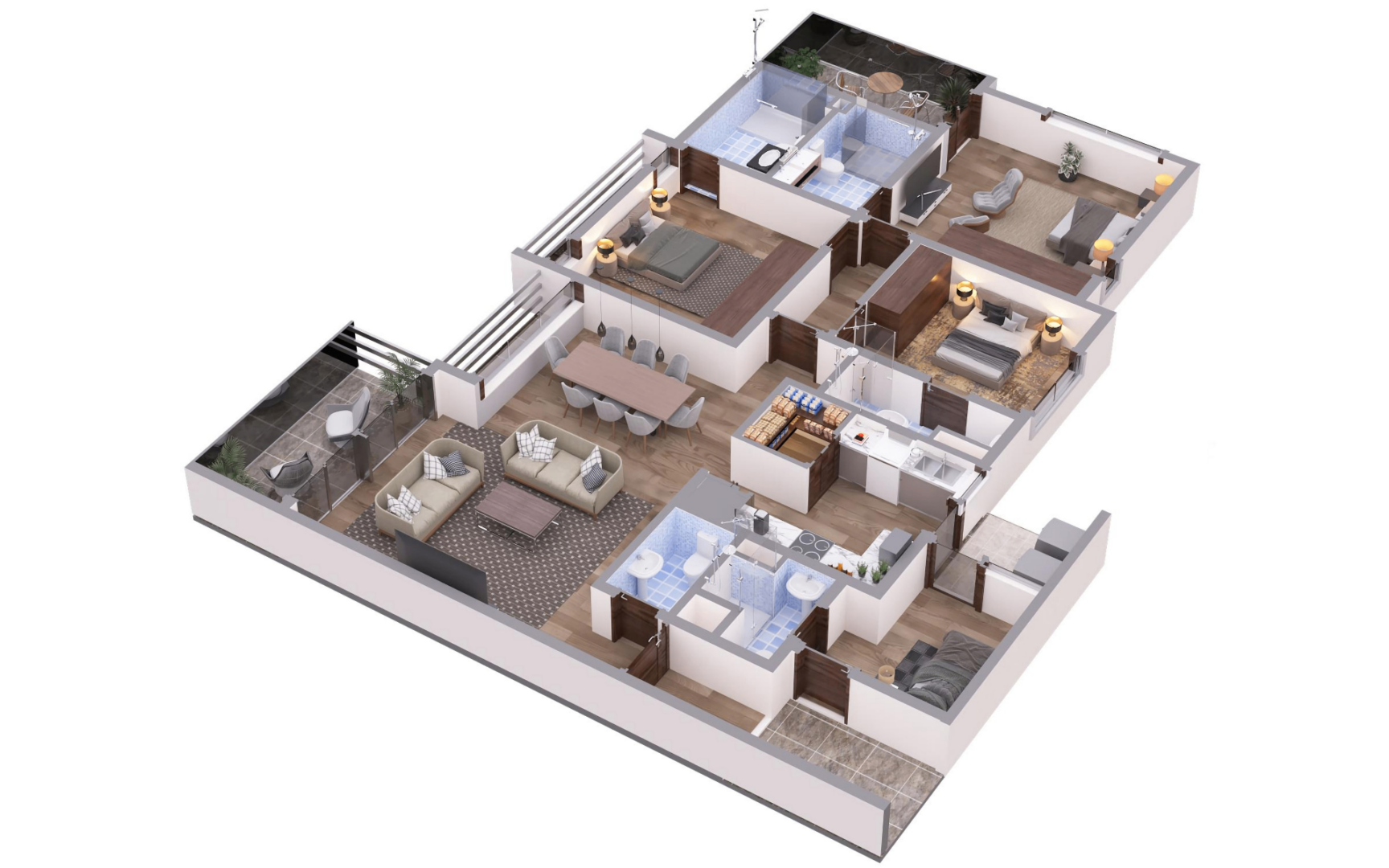
Greenville Gardens — Luxury 2, 3 &…
Where General Mathenge Road Sits — And Why That Matters
General Mathenge Road (often written as General Mathenge Drive) runs through the upper end of Westlands, tracing the edge of Karura Forest and following the Mathare River corridor toward Kitisuru. It’s flanked by Peponi Road to the north, Ring Road Westlands to the south, and Waiyaki Way within easy reach for CBD-bound traffic.
That positioning gives the road a rare split personality: it’s genuinely quiet — tree-lined, low-traffic, residential — while sitting minutes from Nairobi’s most active commercial and lifestyle district.
Drive times that hold up in real traffic, not just marketing copy:
| Destination | Approx. time |
|---|---|
| Sarit Centre | 5–6 minutes |
| Westgate Mall | 6–7 minutes |
| GTC (Global Trade Centre) | 8–10 minutes |
| UN Complex, Gigiri | 10–15 minutes |
| US Embassy | 8–12 minutes |
| Nairobi CBD via Waiyaki Way / Expressway | 15–20 minutes |
| Village Market | 10–12 minutes |
The Nairobi Expressway has quietly reshaped this equation over the past few years, cutting what used to be 40+ minute CBD commutes down to a much more livable 15–20 minutes at toll-road rates — a real factor in why executives now consider General Mathenge for daily CBD work rather than just weekend living.
What You’re Actually Paying For
Let’s talk numbers honestly, because the two figures circulating online — “KES 36 million” and “KES 38.3 million” — both come from small, non-representative samples. Live market listings currently put the picture closer to this:
For sale (apartments):
- Entry-level 2-bedroom units: from roughly KES 9M–15M
- Mid-market 3-bedroom apartments: KES 25M–40M
- Premium 4-bedroom / penthouse units: KES 45M–75M+
- Market average across listed apartments: roughly KES 36–37 million
For sale (standalone houses/duplexes): Detached homes and executive duplexes along and around General Mathenge run considerably higher — commonly KES 50M–130M, depending on plot size, river frontage, and finish quality. These skew the “average” upward on portals that blend house and apartment data, so always ask an agent to filter by unit type.
For rent:
- 2-bedroom: KES 120,000–180,000/month
- 3-bedroom: KES 180,000–260,000/month
- 4-bedroom / penthouse: KES 260,000–400,000+/month
- Market average: roughly KES 250,000–275,000/month
A word of caution: “General Mathenge” as a search term on property portals sometimes captures listings that are technically in Rosslyn, Loresho, or Kitisuru border zones. Always confirm the exact plot location before comparing prices — a five-minute difference in address can mean a very different valuation.
What drives the premium within the premium
Not every unit on this road commands the same price. The properties that command genuine top-tier rates share specific traits:
- River- or forest-facing aspect — units overlooking the Mathare River corridor or Karura Forest typically command a measurable premium over street-facing equivalents
- Upper floors in low-density buildings (skyline plus greenery views)
- Corner units with dual exposure and better natural light
- Independent utilities — borehole water, solar or generator backup, fibre — which matter enormously given Nairobi’s periodic water and power interruptions
- Developer track record — buildings from developers with a completed-projects history, versus first-time developers still building their reputation
Schools and Healthcare: The Real Draw for Families
For international families and Kenyan executives alike, proximity to elite schools and hospitals is often the deciding factor over the property itself.
| Schools | Approx. distance |
|---|---|
| International School of Kenya (ISK) | 5 minutes |
| Peponi House Preparatory School | 5–7 minutes |
| Oshwal Academy | 6 minutes |
| Westlands Primary School | Walking distance |
| Brookhouse School | 10–12 minutes |
| Hospitals | Approx. distance |
|---|---|
| M.P. Shah Hospital | 5 minutes |
| Aga Khan University Hospital | 10 minutes |
| Avenue Hospital, Parklands | 8–10 minutes |
| Nairobi Hospital (via Expressway) | 15 minutes |
Parents who’ve done the 90-minute cross-city school run understand exactly what they’re paying for here. It isn’t the square footage — it’s getting those two hours of the day back.
Security: What “Prestige” Actually Buys
Security is genuinely stronger here than in most of Nairobi, for structural reasons rather than marketing ones:
- High concentration of embassy and diplomatic residences, which brings a heavier, more consistent security presence to the whole corridor
- Well-lit, tree-lined streets with active resident and neighbourhood-watch patrols
- Most developments built in the last decade feature gated access, professional guarding, and CCTV as standard rather than optional
- Several buildings hold “blue zone” or UN-approved housing status, meaning they’ve passed independent security audits used to vet diplomatic and UN staff housing
For diaspora buyers purchasing remotely, this matters more than it might seem — it’s one less variable to worry about from thousands of miles away.
Who Actually Lives Here
Understanding the tenant and buyer base explains why yields and occupancy stay strong:
- Expatriates attached to embassies, UN agencies, and multinational employers
- Corporate executives in banking, tech, and consulting — many with company-paid housing allowances
- International school families prioritising the ISK/Peponi House catchment
- Diaspora Kenyans buying as a homecoming base or long-term hold
- High-net-worth professionals who want to walk or cycle to GTC rather than sit in traffic
This is a tenant pool that pays rent reliably, often in hard currency equivalents for corporate leases, and tends to stay multiple years — which keeps vacancy periods short and management headaches low.
General Mathenge vs. Kitisuru, Runda, and Lavington
If you’re weighing a KES 30–75M budget, you’re probably also looking at these neighbourhoods. Here’s an honest comparison:
- Kitisuru: Larger plots, more privacy, but further from Westlands’ retail and commercial core — better suited to buyers prioritising land size over walkability.
- Runda: Similarly secure and green, with larger family homes, but a longer commute to GTC/CBD and fewer apartment options — more of a house-and-garden market than General Mathenge’s apartment-heavy stock.
- Lavington: Comparable prestige and slightly more established, but noticeably further from the Gigiri/UN corridor that many General Mathenge tenants specifically want.
General Mathenge’s real edge is density of apartments plus walkable commercial access — it suits buyers who want lock-up-and-leave convenience more than sprawling grounds.
Rental Yields and the Investment Case
Using a representative KES 36M apartment purchase and a KES 260,000 monthly rent, gross annual rental income comes to roughly KES 3.12M — a gross yield in the 6–8% range, before management fees, service charges, and vacancy allowance are deducted. That’s well ahead of gross yields typically seen in London (2–3%), New York (3–4%), or even Dubai (5–6%), making the case for General Mathenge as both a lifestyle and income asset.
The investment thesis rests on four pillars:
- Demonstrated, decades-long appreciation rather than speculative upside
- Tenant quality and low vacancy, driven by corporate and embassy leasing
- Liquidity — General Mathenge properties consistently attract buyers when owners need to exit
- Currency resilience for diaspora investors, with many corporate leases benchmarked to USD-equivalent rents
Due Diligence: What to Check Before You Buy
This is the section most articles skip — and it’s the one that protects your money.
- Confirm title status. Ask whether the unit sits on freehold or leasehold land, and get the lease term (many Nairobi apartment developments are on 99-year leasehold).
- Check flood and drainage history for river-facing units near the Mathare River corridor — the same proximity that creates those coveted views also means due diligence on drainage and structural setbacks matters.
- Verify developer completion history if buying off-plan. Several projects have launched along this corridor in the past few years; ask for evidence of at least one fully completed, occupied development, not just renders.
- Review service charge and sinking fund records for existing buildings — a low headline price can hide high monthly service charges.
- For diaspora buyers, work with a licensed advocate for the conveyancing and confirm you’re getting an original title search from the Ministry of Lands, not just an agent’s assurance.
- Budget for the full transaction cost, not just the purchase price — stamp duty, legal fees, and agency commission typically add several percentage points on top.
Getting Around Without a Car
General Mathenge is unusually well served for a “prestige” address:
- Matatu routes 118 and 119A run through the area
- Sarit Centre matatu/bus stage is roughly a 4-minute walk from most of the corridor
- Ride-hailing (Uber, Bolt, Little) is dense and reliable in this zone
- Karura Forest’s Limuru Road gate is a short drive or cycle away — genuinely used by residents for morning runs and walks, not just a marketing bullet point
Frequently Asked Questions
Is General Mathenge Road noisy or busy? No — despite its central position, the residential stretches are quiet and tree-lined. Traffic noise is concentrated near the Ring Road and Waiyaki Way junctions, not along the residential core.
Is General Mathenge Road safe? Yes, relative to the rest of Nairobi. The combination of embassy presence, gated developments, and active neighbourhood security makes this one of the more secure residential corridors in the city — though standard urban precautions still apply.
What’s the rental yield on General Mathenge apartments? Typically 6–8% gross, ahead of many global prime markets, driven by strong corporate and expatriate demand.
Is it better to rent or buy on General Mathenge Road? For a 2–3 year posting, renting usually makes more financial sense given transaction costs. For a 5+ year horizon or a long-term diaspora investment, buying captures both appreciation and rental income.
How far is General Mathenge Road from Karura Forest? Several stretches of the road border Karura Forest directly, with the Limuru Road entrance a short drive away — residents frequently walk, jog, or cycle in.
Final Word
General Mathenge Road earns its reputation the unglamorous way — through decades of consistent demand, genuine security, real school and hospital proximity, and a tenant base that doesn’t disappear when the market wobbles. It isn’t the cheapest square footage in Nairobi, and it shouldn’t be sold to you that way. It’s a stability play with real upside, best suited to buyers who value proven performance over speculation.
If you’re weighing whether a General Mathenge property fits your budget, your timeline, or your investment goals, the right move is a conversation grounded in current listings and honest numbers — not averages pulled from mismatched data sets. Reach out to a trusted local advisor, ask to see verified titles and service charge records, and view units in person (or via a guided virtual tour if you’re buying from abroad) before you commit.
This article is for general market information and does not constitute investment, legal, or financial advice. Property prices and rental figures are indicative averages based on available listing data and vary by unit size, condition, and timing. Always conduct independent due diligence and consult a licensed advocate and registered valuer before purchasing.
Explore General Mathenge on Block
- General Mathenge neighbourhood guide & live listings — Westlands’ ridge-top luxury address: prices, towers and live listings
- Westlands neighbourhood guide & live listings — prices, streets, off-plan towers and the investment case, with live listings
- Browse every live listing in General Mathenge — for sale and to rent, updated daily
- Homes for sale in Nairobi — every live Block listing, for sale
- Houses and villas for sale in Nairobi — standalone homes, townhouses and gated-estate villas
- Read next: General Mathenge: The Ridge That Became Westlands’ Luxury Address
- Read next: KES 10M in the Golden Triangle: Westlands vs Riverside vs Brookside vs General Mathenge
- Read next: Living in Westlands Nairobi: Complete Guide for Buyers, Renters and Investors
- Get a free consultation — buying, renting, investing or managing — advised block by block