
Where Kileleshwa sits
Kileleshwa lies about six kilometres west of Nairobi’s central business district, in Dagoretti North — wedged neatly between Kilimani to the south-east, Lavington to the west and the Riverside corridor to the north. That position is most of its argument: you are fifteen minutes from town on a good run, ten from Westlands, and next door to the two suburbs whose restaurants and malls you will borrow.
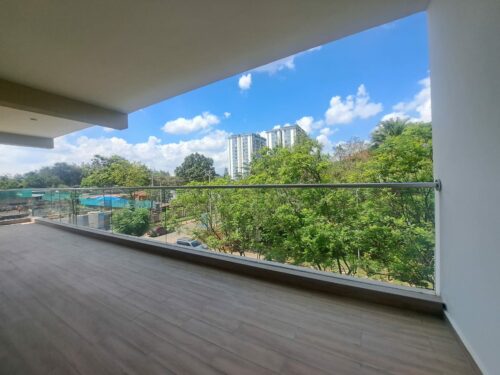
The spine is Oloitokitok Road, joined by Ring Road Kileleshwa, with the residential grid — Othaya, Gatundu, Mandera, Laikipia and their neighbours — filling in between. The Kirichwa streams thread the suburb and explain its green: plots run down to the water, and the old canopy has largely survived the rebuilding around it.
From bungalows to mid-rise
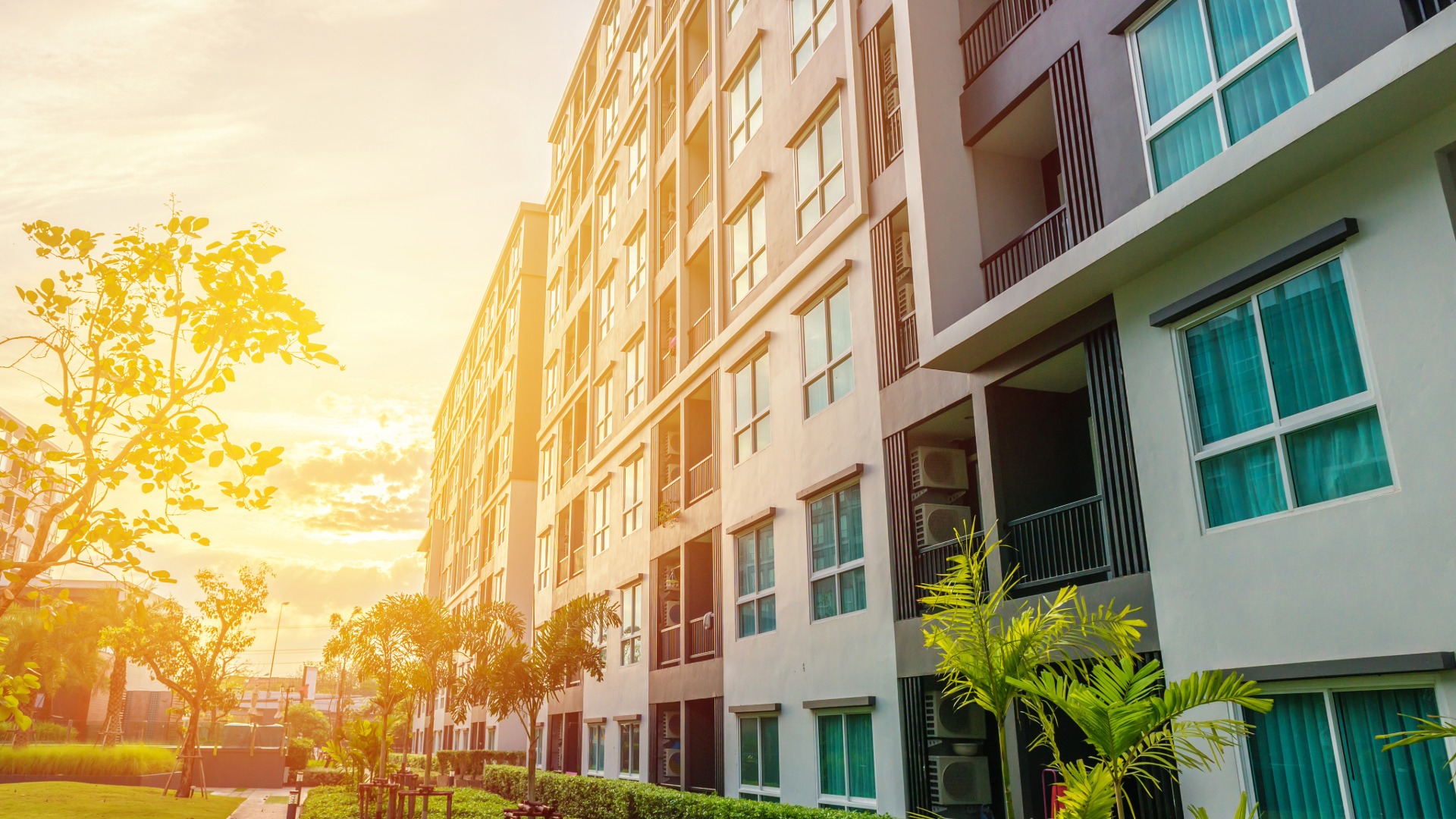
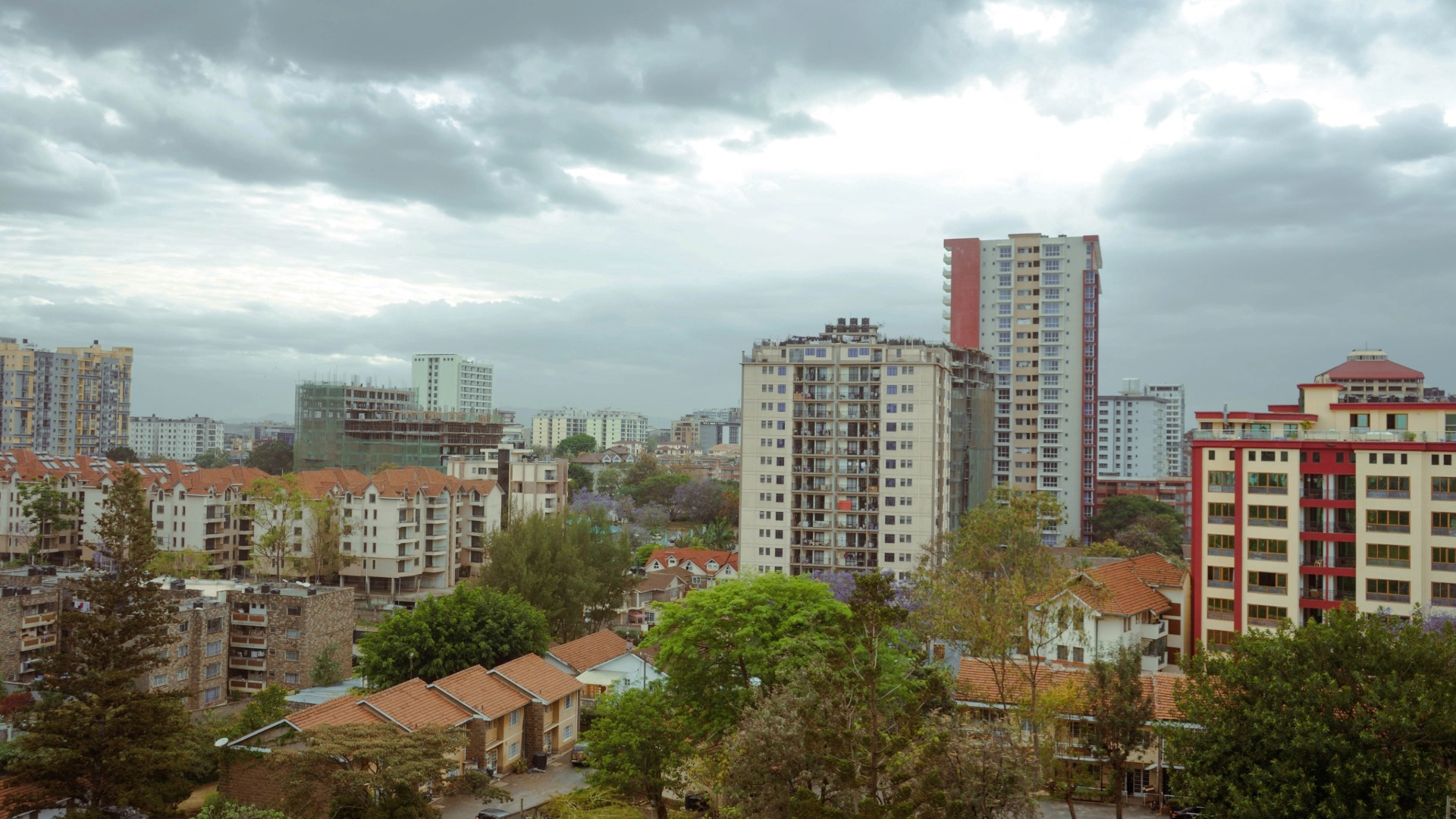
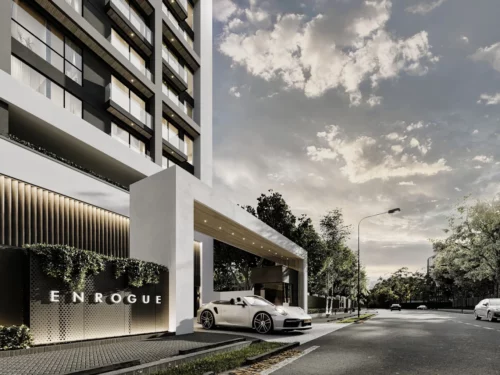
Kileleshwa is Nairobi’s clearest before-and-after. A generation ago it was bungalows on generous plots; re-zoning turned it into the city’s definitive mid-rise apartment suburb, and the transformation is still running. Older houses continue to come down, and new buildings continue to open — which keeps the stock modern, the rents competitive, and the construction sites a fact of life.
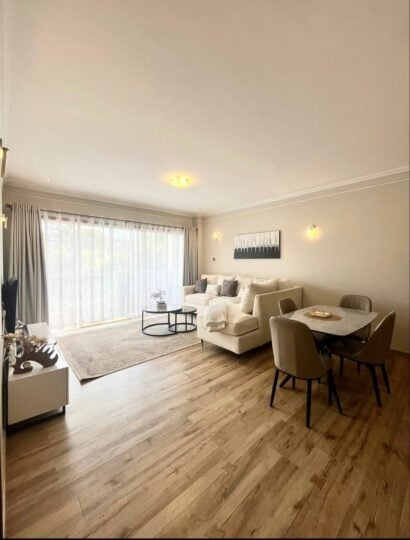
For buyers the consequence is simple: you are choosing a building as much as a home. Two apartments with identical floor plans can live completely differently depending on management, maintenance and what gets built next door. That is where our street-level knowledge earns its keep.
Buildings and streets
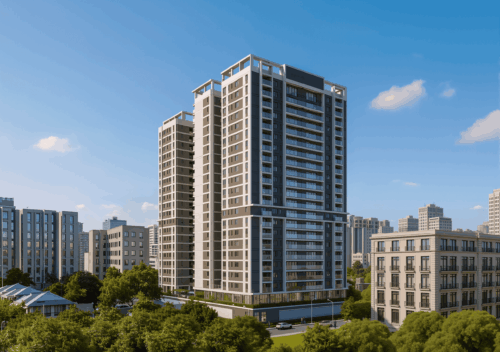
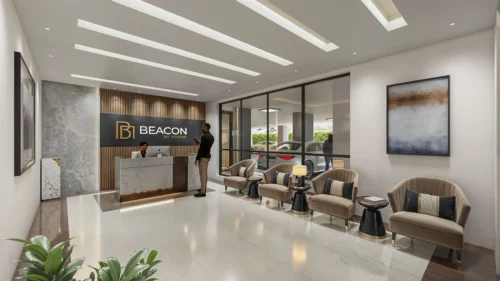
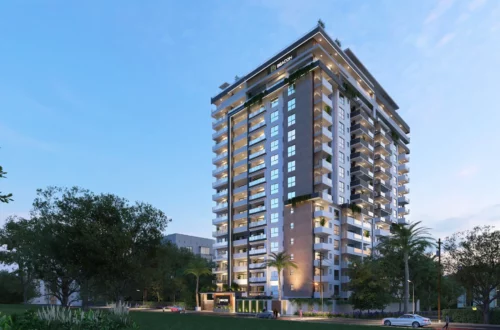
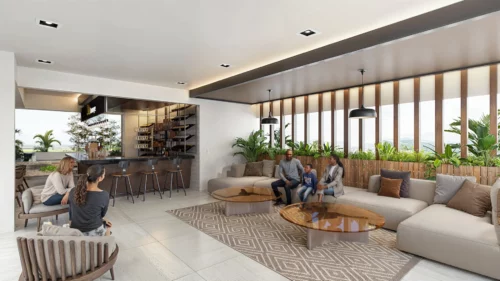
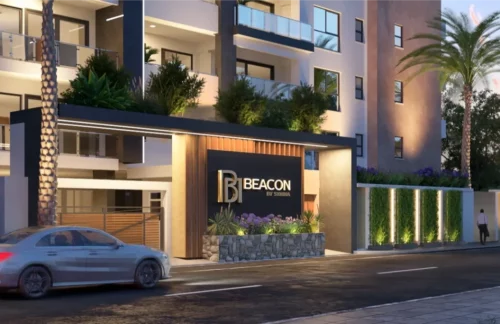
The typical new build is mid-rise family housing rather than studio towers. Live examples show the range: Beacon by Synina on Mandera Road runs from three-bed + DSQ apartments of about 2,431 sq ft to five-bed penthouses over 4,900 sq ft, while Golden Century II at 29 Othaya Road is a completed two-tower scheme of 167 four-bed apartments at about 2,906 sq ft each. The Othaya Road grid carries the densest new stock; Mandera and Laikipia stay quieter; the river edges stay greenest.
What it costs
On live Block.ke listings in August 2026: off-plan entry pricing starts around KES 4.2M across the fourteen projects in the pipeline, one-beds such as Ivy Myst list from about KES 8.8M, two-beds from about KES 9.7M, family three- and four-beds run KES 24.5M–40M (Golden Century II, Beacon by Synina), and five-bed penthouses start at KES 55M. These are asking prices, not valuations — and in a suburb with this much new supply, the gap between the two is real negotiating room. For the wider picture, read our Lavington vs Kileleshwa vs Kilimani comparison or request a valuation.
Green and the everyday
Daily life is deliberately quiet. Kasuku Centre covers the local errands; Valley Arcade, Lavington Mall and Yaya Centre are five to ten minutes out; the Westlands malls about ten. The green is the real amenity — canopy runs, dog walks, the Arboretum on the eastern shoulder — and the evenings are borrowed from Kilimani and Westlands, both close enough that going out is easy and coming home is quiet.
Schools
Kenya High School sits on the suburb’s edge, and the western school belt — Braeburn on Gitanga Road, St Austin’s Academy off James Gichuru, Strathmore School off Musa Gitau — is five to ten minutes away, with the Riara Road schools to the south. Families here get the same school access that anchors Lavington, at apartment prices rather than townhouse prices. The school-run traffic on Gitanga and Argwings Kodhek is the daily cost.
Getting around
Oloitokitok Road and Ring Road Kileleshwa move you onto Argwings Kodhek for Kilimani and Hurlingham, or north toward Riverside Drive and Waiyaki Way. The CBD runs 15–30 minutes with the traffic; Westlands about ten. Matatus work the main roads; the grid assumes a car.
Buying in Kileleshwa: what to check
The checklist here is building-first:
- Building governance: service charge levels and arrears, sinking fund, who manages and how well — the resale price lives here.
- Developer track record: fourteen off-plan projects are running; they are not equal. Financing structure and approvals matter more than the show unit.
- Water and power: borehole plus city supply and proper backup power are the comfortable answers; ask twice.
- Parking ratios: older buildings under-provide; two spaces for a family apartment is worth paying for.
- What is planned next door: a quiet view over a bungalow plot is a temporary view. We check the zoning before you offer.
- Title and process: full search through your advocate, nothing on trust — including us.
Buying from abroad? We run remote purchases regularly — video viewings, unvarnished condition reports, advocate coordination end to end. See how we handle diaspora purchases.
Renting and the investment case
The tenant pool is deep and specific: professionals and young families who want Kilimani’s convenience without living inside it. Well-run buildings hold tenants for years; tired ones churn. For landlords the mathematics are honest — new supply keeps opening, so a well-presented unit in a well-managed building lets quickly while an overpriced one sits. Family-sized three- and four-bed apartments are the differentiated play: Kilimani rarely builds them, families need them, and Kileleshwa owns that niche.
Our verdict: buy the building before the unit, treat the supply pipeline as your negotiating leverage, and hold for five years or more. If that matches your plans, talk to us — we will tell you which buildings we would put our own money into, and which we would not.