




Where Lavington sits
Lavington lies about eight kilometres west of Nairobi’s central business district, in Dagoretti North, Nairobi County. Its neighbours explain it well: Kileleshwa to the east, Kilimani beyond Gitanga Road to the south-east, Kawangware to the west and the Waiyaki Way corridor to the north. The suburb’s spine is James Gichuru Road, running between Waiyaki Way and Ngong Road, with Gitanga Road closing the southern edge.
Within those lines, Lavington is really four or five micro-areas. The quiet core around Hatheru Road, Mbaazi Avenue and Manyani Road holds the classic Lavington of standalone homes and hedges. The James Gichuru frontage is where redevelopment moves fastest, with apartments and gated clusters replacing older houses. The Valley Arcade end shades into Kilimani’s convenience, and the Muthangari side leans toward Westlands via Waiyaki Way. Same suburb, noticeably different daily lives — which is why we talk streets, not postcodes, when we shortlist for buyers.
How the suburb has changed
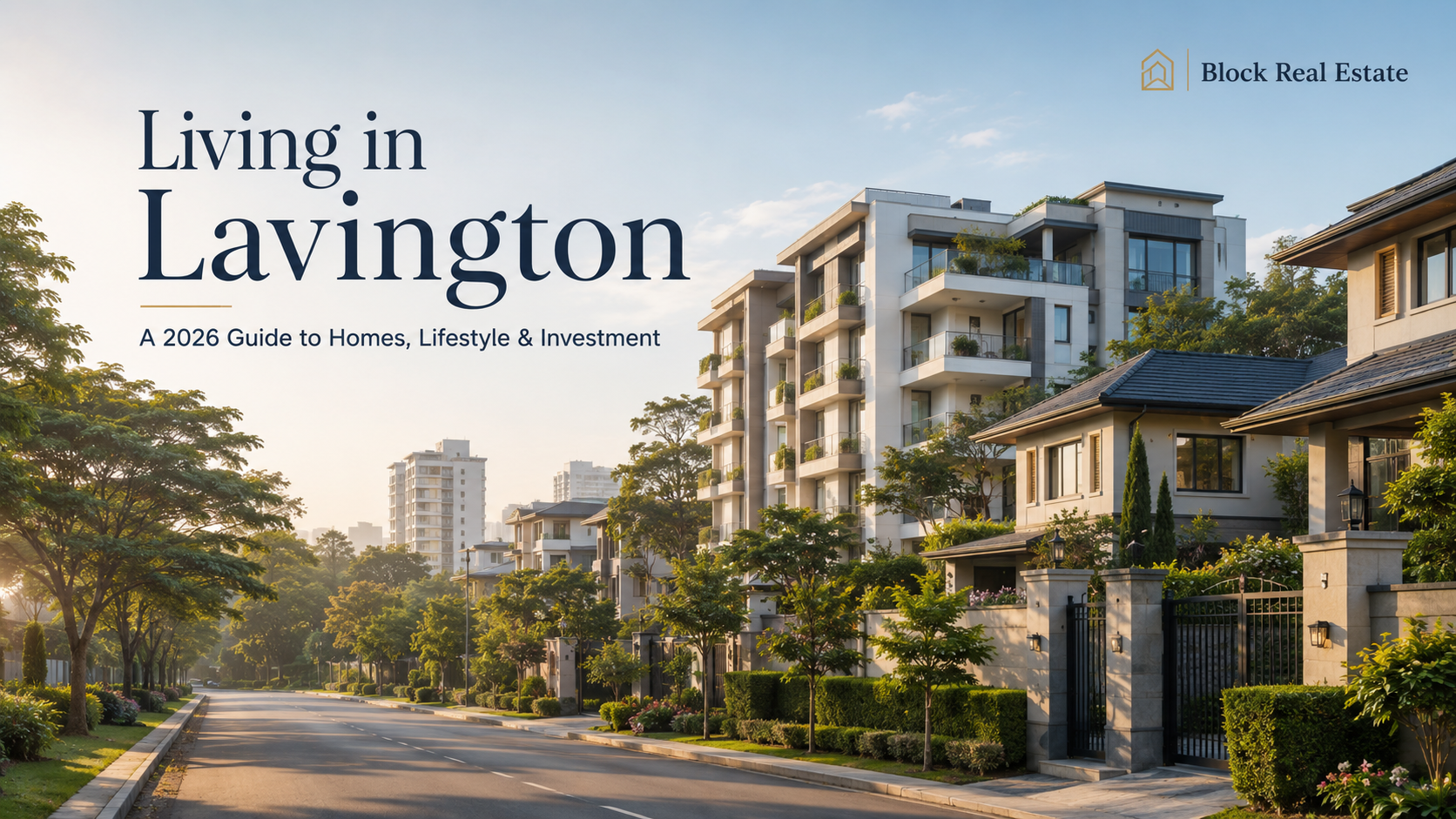
Lavington began as a colonial-era garden suburb of half-acre plots and single-family homes, and for decades zoning kept it that way. The last fifteen years changed the equation: re-zoning opened parts of the suburb to higher densities, and the main roads answered with apartments and townhouse compounds. Older villas still come down; cranes still go up. The lanes, so far, have largely held.
For buyers this cuts both ways. The redevelopment wave created entry-level price points Lavington never used to have, and it underwrites land values across the suburb. It also means a quiet lane today can neighbour a construction site next year. Before you commit to a specific house, we check what the surrounding plots can legally become — it is one of the most valuable twenty minutes in the whole process.
Homes and streets
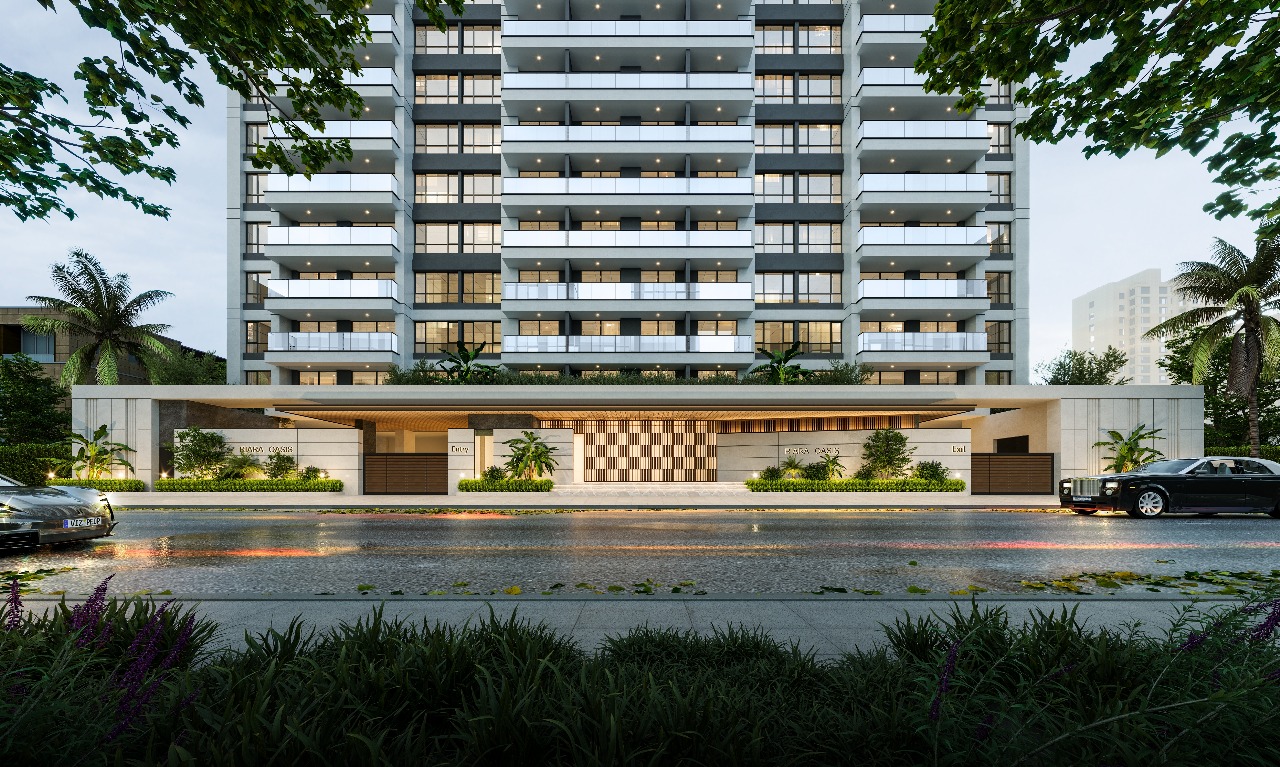
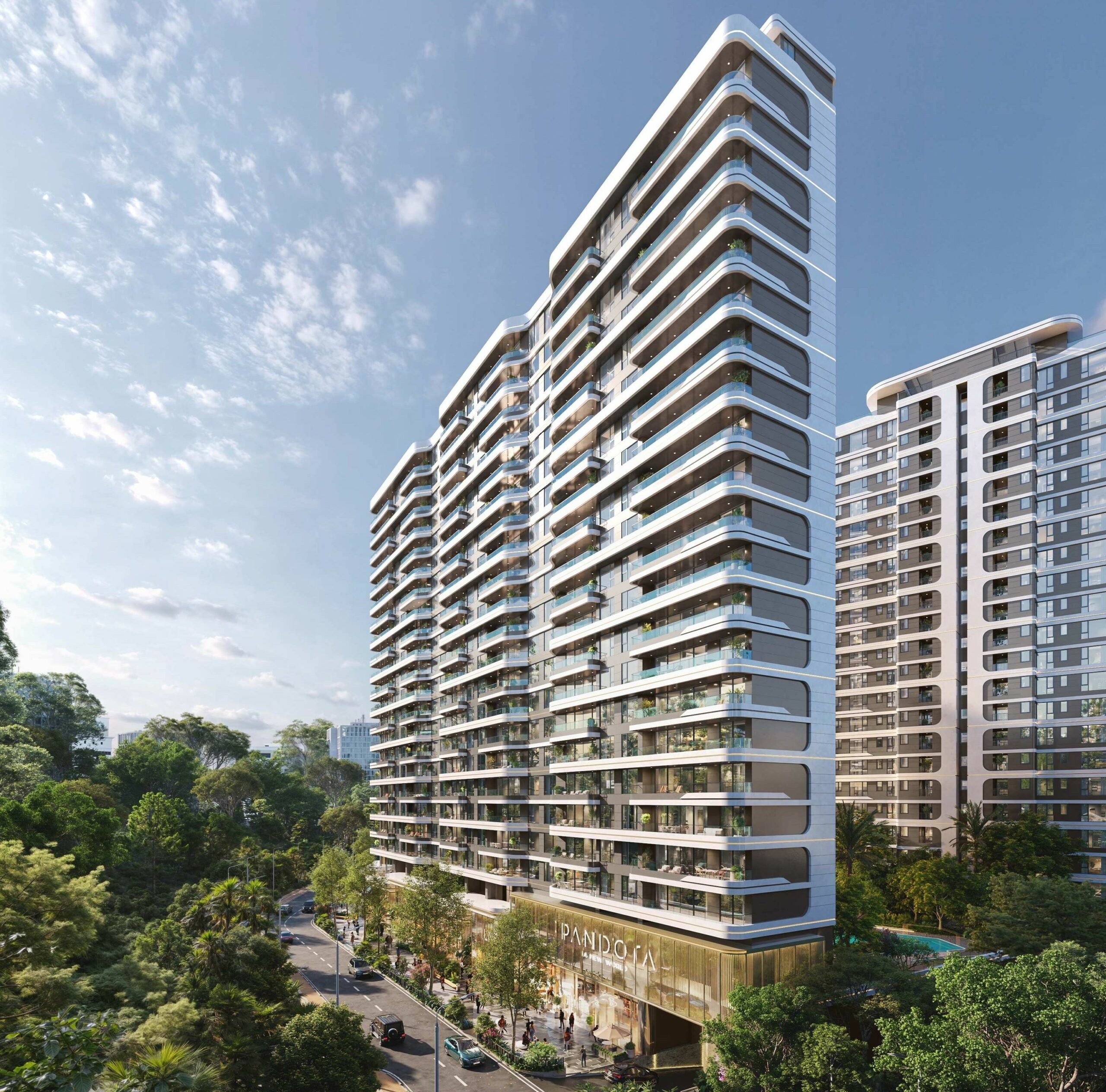
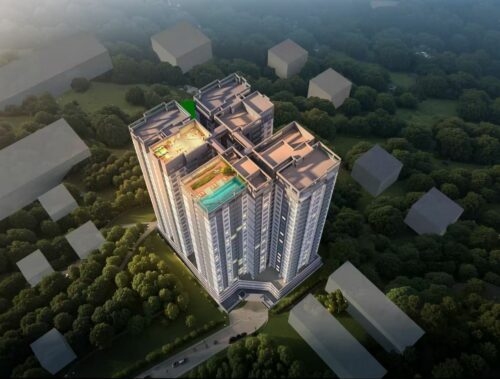
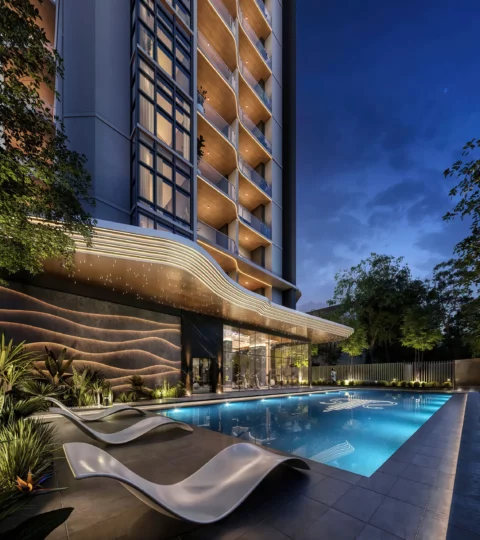
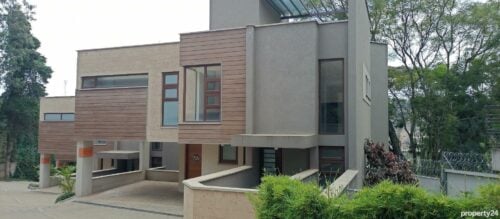
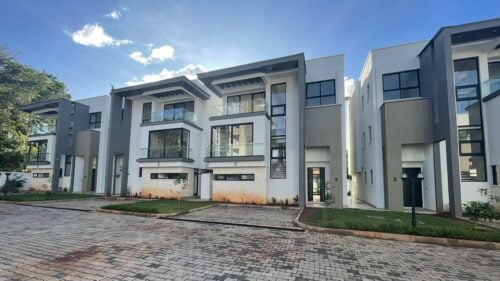
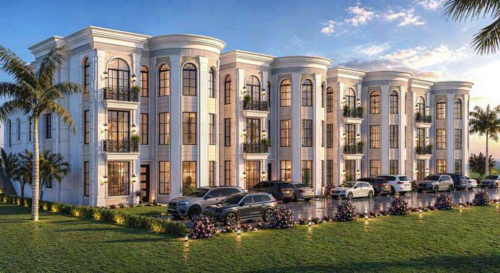
The stock falls into three families. Standalone villas and manors on generous plots are the suburb’s original fabric — many renovated, some waiting for it. Gated townhouse compounds, typically four to twelve homes sharing a gate, a generator and a service charge, are the modern family core; live examples include Mora Villas, eight townhouses on roughly an acre off James Gichuru, and Aspire Townhouses at about 4,200 sq ft per home. Low-rise apartments fill in along James Gichuru and the Riara corridor, where most of the suburb’s off-plan activity sits.
Compounds differ more than brochures admit: how the service charge is set and spent, whether the borehole and generator are actually maintained, how disputes get resolved. We flag the well-run ones and name the problems in the others, because you are buying the management as much as the house.
What it costs
In August 2026, live asking prices on Block.ke run from about KES 5.2M for off-plan studios, through KES 7.3M–11.3M for one- and two-bed apartments, to KES 66M–95M for completed four-bed townhouses and KES 110M–220M for five-bed villas and manors. Those are asking prices, not achieved ones; family-home sellers here are rarely in a hurry, and the gap between the two is where negotiation lives.
For the full breakdown — why the spread is so wide and how to read an asking price before you offer — see our analysis of Lavington property prices in 2026, or request a valuation for a specific home.
Schools
The school belt is Lavington’s anchor amenity. Braeburn School sits on Gitanga Road, St Austin’s Academy just off James Gichuru, and Strathmore School off Musa Gitau Road; Rusinga Schools and Loreto Convent Msongari are a short drive. Between them, families reach a mix of Kenyan and international curricula without crossing town.
The practical consequence is traffic with a timetable: Gitanga and James Gichuru run heavy on term mornings between about 6.30 and 8.00, and again mid-afternoon. When you view a house, drive the school run at the real hour. Twenty minutes a day, every day, matters more to how a home feels than most finishes do.
Shopping, dining and weekends
Errands stay local: Lavington Mall and Lavington Curve on James Gichuru for supermarkets, banks and pharmacies, Valley Arcade for the quick runs and the neighbourhood’s cafés. Bigger retail — Yaya Centre, The Junction, Sarit and the Westlands malls — sits ten to fifteen minutes out in different directions.
Weekends run on gardens and school sports grounds, gyms at the malls, and unhurried Saturday breakfasts around Valley Arcade. The Nairobi Arboretum is a short drive toward town; the proper restaurant evenings happen in Westlands or Kilimani and end, mercifully, somewhere quieter — here.
Getting around
James Gichuru Road is the through-route, connecting Waiyaki Way in the north to Ngong Road in the south, and it carries everything: commutes, school runs and the suburb’s own errands. The CBD is about twenty minutes east off-peak and closer to forty-five in the thick of the morning. Matatus run the main roads; the lanes assume a car.
Buying in Lavington: what to check
Due diligence here is unglamorous and decisive. The list we work through with every buyer:
- Title and ownership: a full search through your advocate, with nothing taken on trust — including us.
- Zoning around the plot: what can legally be built next door and behind; redevelopment is the suburb’s biggest quiet risk.
- Condition of older homes: roofs, plumbing, drainage and boundary walls — renovation maths should change offers.
- Compound governance: service charge levels and arrears, sinking fund, who actually manages, how decisions get made.
- Utilities: water is the question to ask twice — borehole plus city supply is the comfortable answer — then backup power.
- Resale logic: on the lanes you are underwritten by land; on new builds, by price per square foot against the compound next door.
Buying from abroad? Most of our Lavington buyers run at least part of the process remotely — viewings on video, an unvarnished condition report, and coordination with your advocate through due diligence and transfer. See how we handle diaspora purchases.
Renting here
The lettings market is unfurnished family houses and townhouses, let to households who stay for years. Landlords should price honestly and expect low turnover rather than headline yields; tenants should move quickly when a well-priced house appears, because the good ones do not linger. At viewings, work the tenant’s real checklist: water pressure and supply, backup power, what the service charge covers, compound rules, and the school run from that exact gate at the real hour.
The investment case
Lavington is a capital-preservation market with a steady income floor. Values are underwritten by land and by a demand base — families anchored to schools — that does not churn with fashion. The apartment corridors add a growth-and-yield play that did not exist a generation ago, and the big houses trade on scarcity rather than momentum. It is not a short-let market, and it rewards patience more than flipping.
Our honest verdict: buy here on a five-year-plus horizon, buy the street before the house, and treat optimistic asking prices as an invitation to negotiate rather than a reason to walk away. If that matches your plans, talk to us — we will tell you which streets and compounds we would put our own money into, and which we would not.