
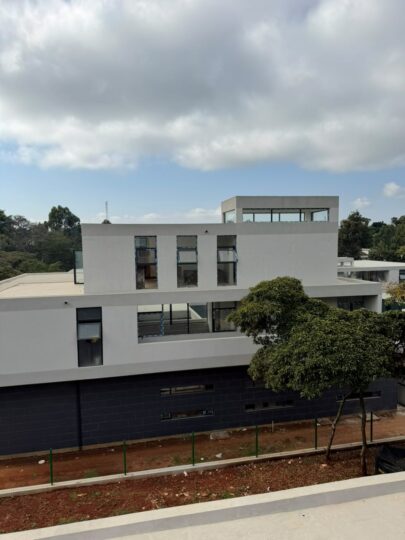
Where Karen sits
Karen occupies Nairobi’s south-western edge, twelve to fifteen kilometres from the CBD within the wider Lang’ata area. It connects to the city mainly through Ngong Road, Lang’ata Road, Karen Road and the Southern Bypass, and borders Lang’ata, Hardy, Bogani, Bomas, Ngong Road, the Ngong Hills, Nairobi National Park, Oloolua Forest, Rongai and Mbagathi Ridge. The position explains the suburb: close enough to the school belt and the park for daily life, far enough from the city to keep its space.
The character of Karen
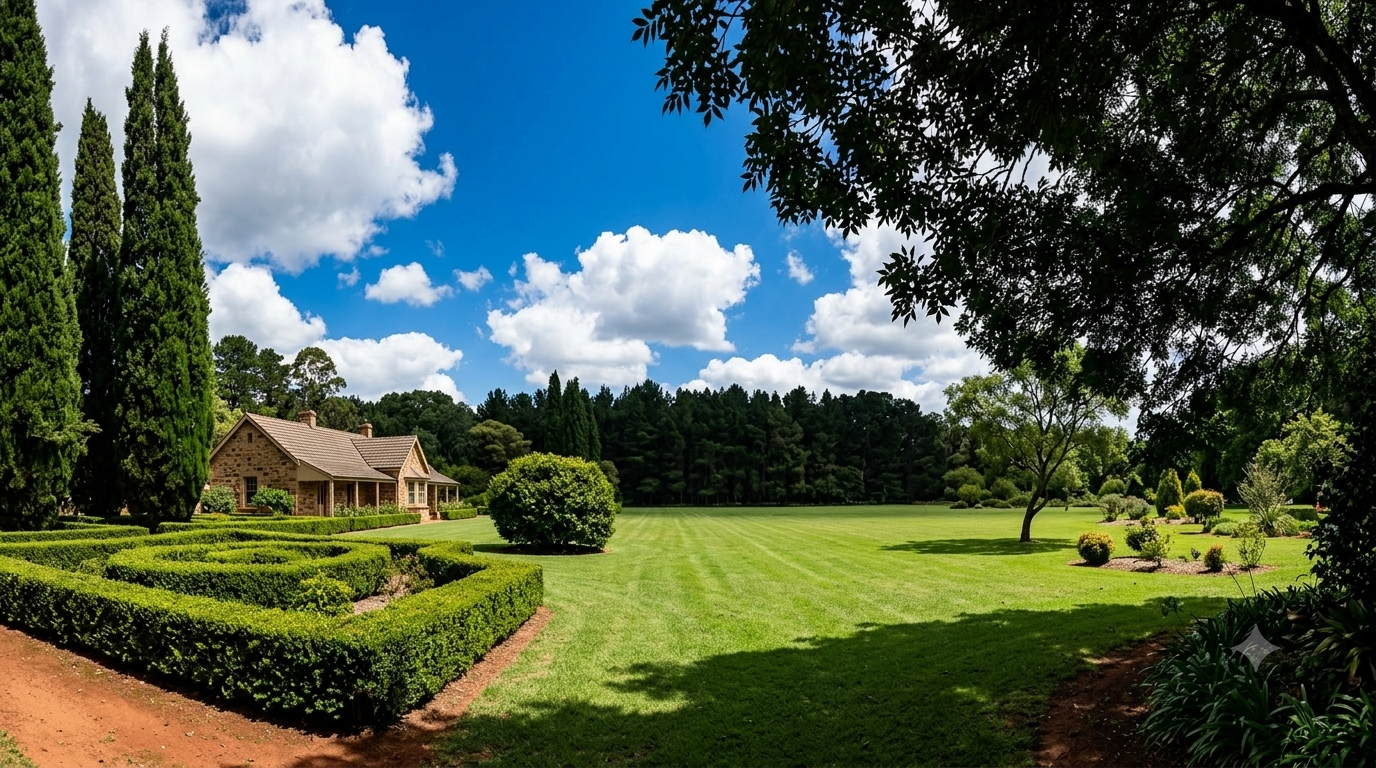
Karen is slower, greener and more grounded than any other prime Nairobi suburb. Homes sit on larger plots behind mature hedges; roads feel wider; gardens are the amenity. Residents are families, senior executives, expatriates and diplomats, long-settled Kenyan households and diaspora owners who want a recognisable address to come home to. It is a long-term home market, not a fast-moving investment product.
Pocket by pocket
Karen Central sits near Karen Shopping Centre and The Hub — convenience without giving up the calm. Hardy is the most established family pocket: leafy roads, larger homes, the Giraffe Centre and the park access points. Bogani and Mbagathi Ridge are more secluded and estate-like, with larger plots and a stronger sense of retreat. Miotoni and Windy Ridge carry some of Karen’s highest-value homes on mature compounds — where The Stallion Villas on Kuwinda Road and the gated new-build enclaves sit. The Bomas and Lang’ata edge offers better access toward Wilson Airport, Lang’ata Road and the city, and is where Marigold II’s duplexes face the park. Oloolua is the quietest, greenest fringe — check roads, water and security plans carefully.
What it costs
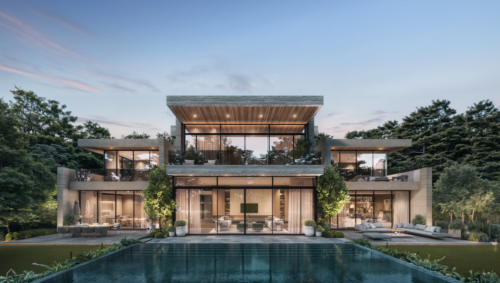
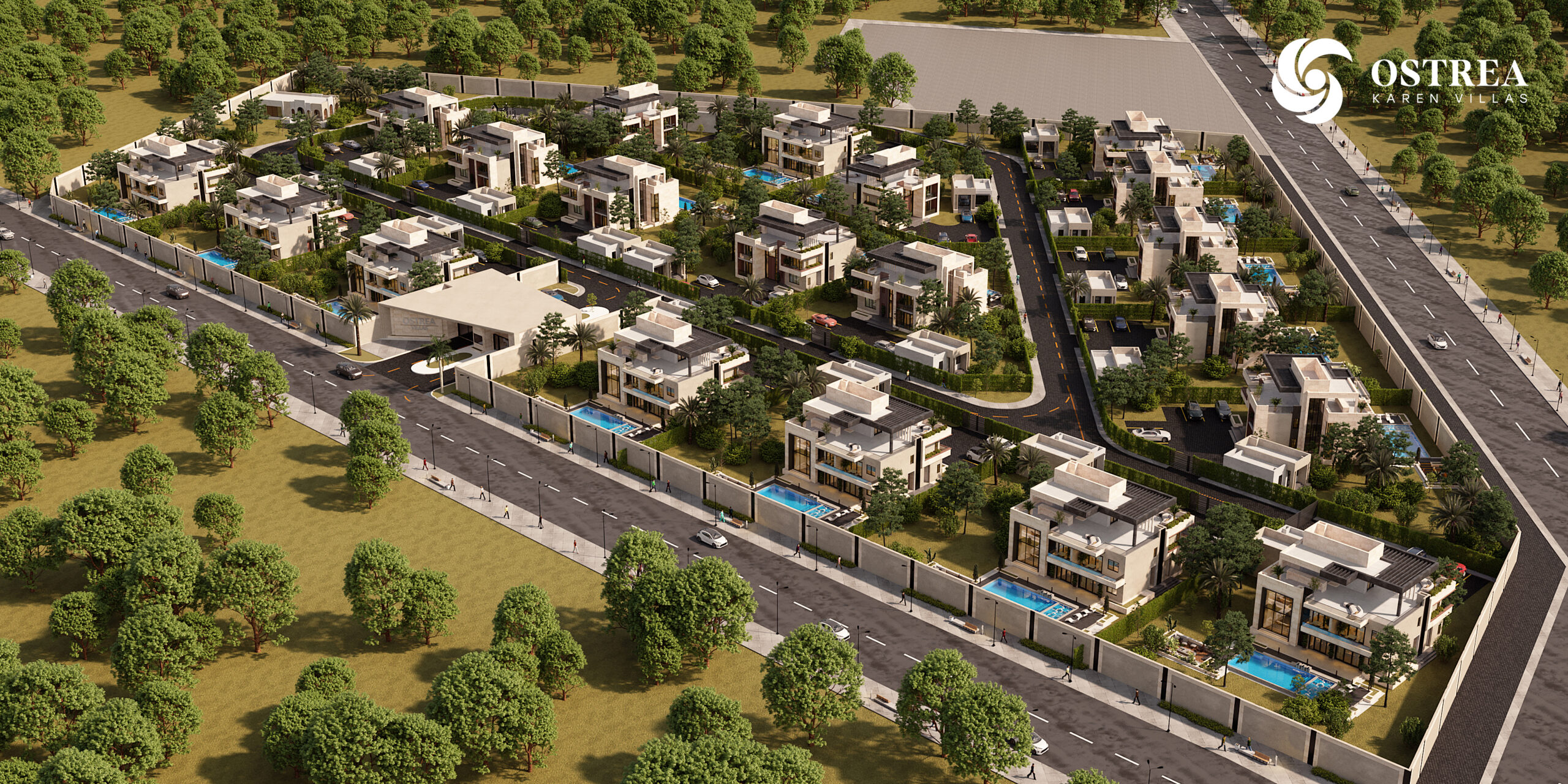
On live Block.ke listings in August 2026: new-build luxury villas from KES 140M at The Stallion Villas on Kuwinda Road, from KES 150M at Hibo Manor’s six-bed presidential villas and at Samsara Bespoke Villas, KES 160M for Aria Park Residences’ 620 sqm five-beds, KES 190M for a five-bed villa in a fourteen-home enclave, and from USD 1.3M at Ostrea Villas; and four-bed duplexes and triplexes at Marigold II on the Lang’ata edge. Indicatively across the suburb, smaller townhouses run KES 30M–65M, modern four-bed townhouses KES 60M–150M, detached four-beds KES 70M–180M, five-bed villas KES 120M–300M and large residences on prime land KES 250M and above.
To rent, guest wings and cottages list around KES 50,000–120,000 a month, three-bed houses and townhouses KES 120,000–250,000, four-bed townhouses KES 180,000–450,000, five-bed villas KES 300,000–700,000 and diplomatic residences KES 600,000 and up. Read the complete Karen guide or request a valuation.
Daily life
Errands run to Karen Shopping Centre, The Hub and Karen Crossroads, with Galleria on Lang’ata Road for the bigger shop; the café and restaurant bench is deep and unhurried. Weekends mean the Giraffe Centre, the Karen Blixen Museum, Oloolua Forest trails, the Ngong Hills and Nairobi National Park, Karen Country Club and the stables. The honest cost is distance: a city commute at peak hours, and compounds that need staff, water and upkeep.
Schools and healthcare
Schools are Karen’s strongest advantage and the reason families choose it: Hillcrest International, Brookhouse, The Banda School, The Karen School, Nairobi Waldorf and Karen C Primary, with Strathmore School within reasonable reach and further British-curriculum and IB options nearby. That ecosystem removes the cross-city school run and underpins rental demand from expatriate and corporate tenants. Healthcare is well served by The Karen Hospital inside the suburb, AAR and specialist clinics, with the Lang’ata, Kilimani and Upper Hill hospitals within twenty to forty minutes.
Getting around
Ngong Road, Lang’ata Road and the Southern Bypass are the routes; the CBD runs 35–60 minutes at peak and Kilimani or Upper Hill twenty to forty. Wilson Airport is fifteen minutes, JKIA about forty via the Southern Bypass. Most residents drive; matatus run on the main roads and ride-hailing reaches every pocket.
Buying in Karen: what to check
- Title and history: full search through your advocate; large-plot homes change hands rarely, so paperwork depth matters, and subdivision history must be clean.
- Road access: a home’s value and lettability depend on the road it sits on and its condition in the rains.
- Land versus building: older houses often price mostly as land; renovation or rebuild maths should shape the offer.
- Water and power: borehole, storage and backup are expected by every corporate tenant.
- Running costs: staff, security, gardens and maintenance — budget the household, not just the purchase.
- Estate rules: gated developments carry service charges and covenants; standalone compounds carry their own security responsibilities.
Buying from abroad? Karen is one of the clearest addresses for diaspora buyers and one of our busiest — video viewings, unvarnished condition reports and advocate coordination end to end. See how we handle diaspora purchases.
Letting and the investment case
Karen is a buy-and-hold market. Capital is protected by land scarcity and address resilience; income comes from executive family rentals, expatriate and corporate leases and gated townhouse investments, with yields below Kilimani or Westlands but tenants who stay for years and look after the house. Renovation of older homes on good roads and long-term land holding are the other proven strategies.
Our verdict: buy Karen for the decade, not the cycle. Choose the pocket and the road before the house, price the compound’s running costs, and let to the corporate and diplomatic pool through proper management. Talk to us — we know Karen pocket by pocket, including the homes that never reach the portals.