

Living in Ruiru and Tatu City: The Complete 2026 Neighborhood, Renting and Buying Guide
Living in Ruiru and living in Tatu City can offer two very different versions of life outside central Nairobi.
Wider Ruiru is energetic, varied and generally more affordable. It includes established town-centre apartments, student neighbourhoods, emerging residential estates and gated family communities. Tatu City, although located within Ruiru Municipality, is a privately planned urban development with controlled zoning, managed infrastructure, landscaped roads and a growing live-work-play environment.
That distinction matters.
A household choosing a KES 20,000 apartment near Ruiru Town is making a very different lifestyle decision from one renting a modern apartment inside Tatu City for KES 50,000 or more. Both addresses may be described as “Ruiru”, but the quality of infrastructure, commuting pattern, security arrangements, housing design and monthly running costs can differ significantly.
Ruiru Municipality sits approximately 20 kilometres northeast of Nairobi CBD and had a recorded population of 490,120 in the 2019 census. It has developed into a major residential and industrial centre supported by Thika Superhighway, the Eastern Bypass, the Northern Bypass and employment activity within Ruiru itself and Tatu City.
This guide looks beyond the promotional headlines to help renters, homeowners and property investors understand what day-to-day life in Ruiru and Tatu City may actually involve.





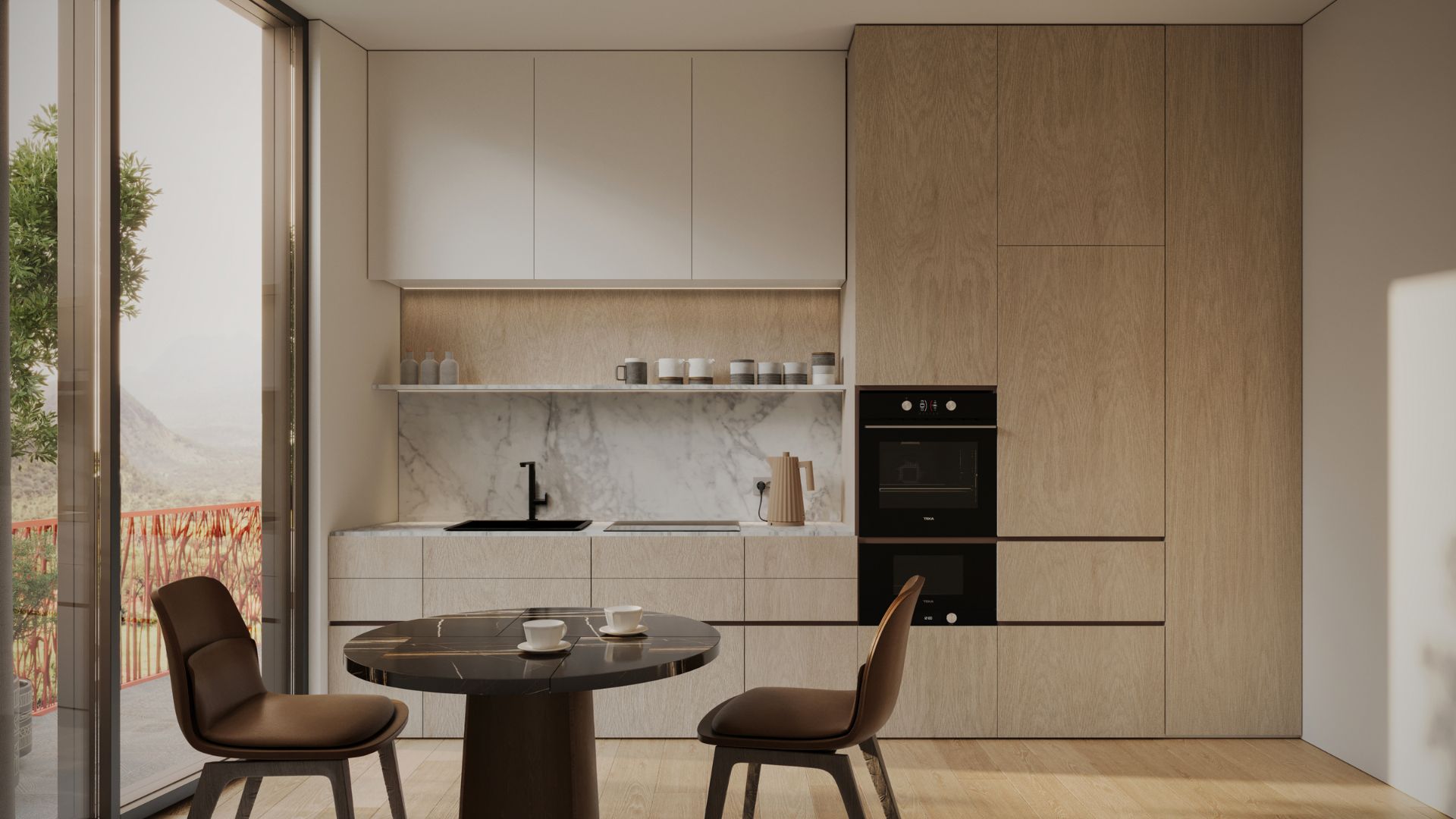
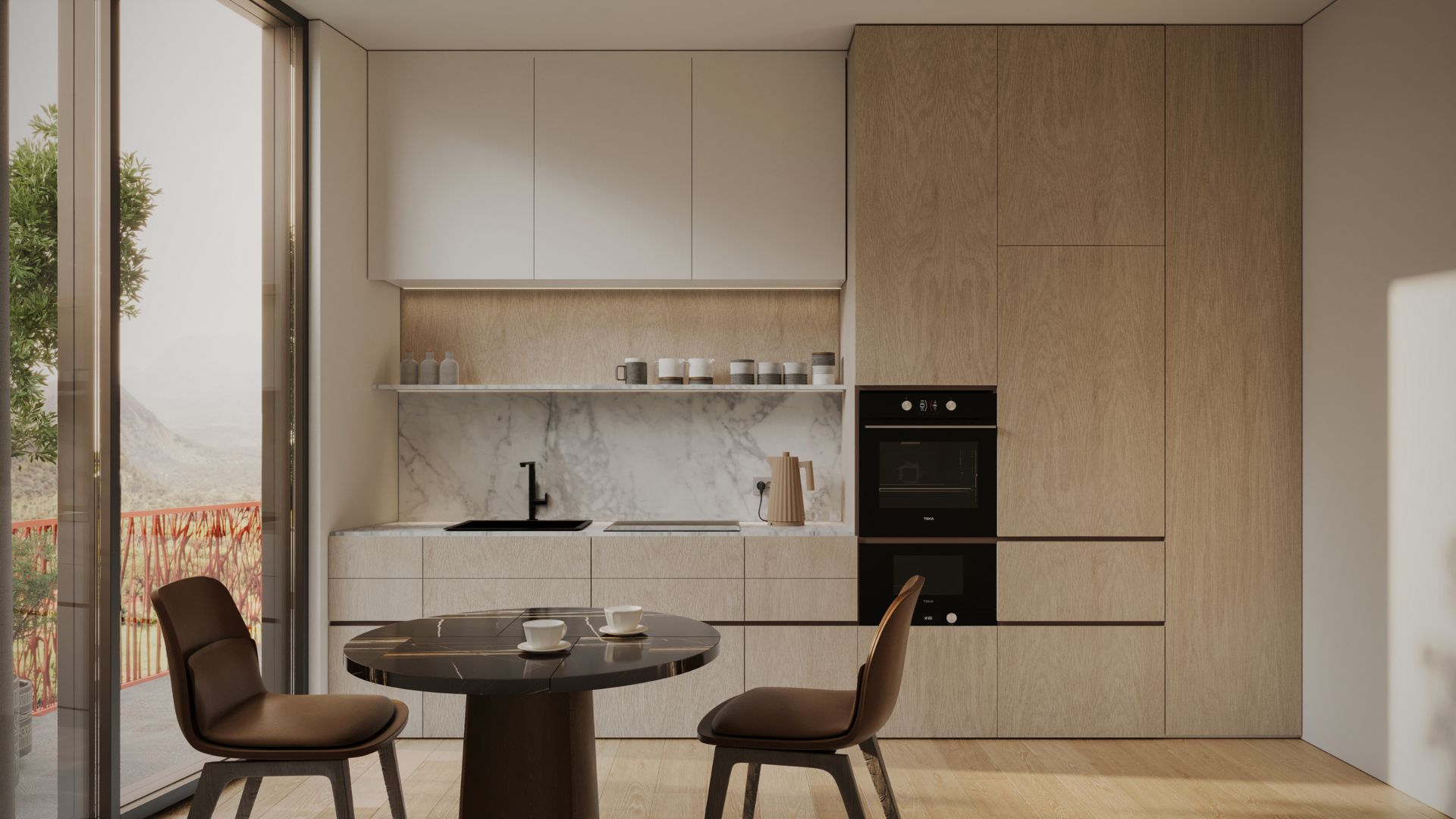






Jabali Towers, Tatu City — Studio, 1,…
Ruiru and Tatu City at a Glance
| Consideration | Tatu City | Wider Ruiru |
|---|---|---|
| Urban character | Master-planned mixed-use city | Large and varied satellite municipality |
| Housing | Modern apartments, controlled residential estates, plots and mixed-use developments | Bedsitters, apartments, bungalows, maisonettes, gated estates and land |
| Typical rental positioning | Mid-market to premium | Budget to premium, depending on neighbourhood |
| Infrastructure | Managed roads, utilities, landscaping and development controls | Quality varies considerably between estates |
| Security | Controlled access and city-level policies | Depends on the estate, road and building |
| Best suited to | Tatu employees, families, corporate tenants, professionals and buyers prioritising managed surroundings | Budget-conscious renters, commuters, students, families, business owners and buyers seeking more space |
| Social environment | Planned, quieter and increasingly self-contained | Busier, more established and more varied |
| Main trade-off | Higher housing and service costs | Uneven roads, drainage, water and development quality in some areas |
| Nairobi commute | Route and traffic dependent | Route, neighbourhood and traffic dependent |
| Investment approach | Focus on quality, management and demand from the Tatu ecosystem | Focus on precise neighbourhood demand, access, water and tenant profile |
Table of Contents
Is Tatu City Part of Ruiru?
Yes. Tatu City is located within the wider Ruiru area of Kiambu County, but it should not be treated as representative of every Ruiru neighbourhood.
Tatu City is a 5,000-acre mixed-use development planned to accommodate homes, schools, offices, retail, healthcare, recreation and manufacturing. Its long-term plan is intended to support more than 250,000 residents together with tens of thousands of daily visitors. The official Tatu City website currently reports more than 110 businesses within its ecosystem.
Wider Ruiru, by comparison, includes many independently developed areas. These range from dense apartment neighbourhoods and student housing to controlled gated communities and larger standalone homes.
The practical question is therefore not simply, “Should I live in Ruiru?”
It is:
Which part of Ruiru fits my budget, workplace, transport needs, family requirements and preferred standard of infrastructure?
Offplan/ Ongoing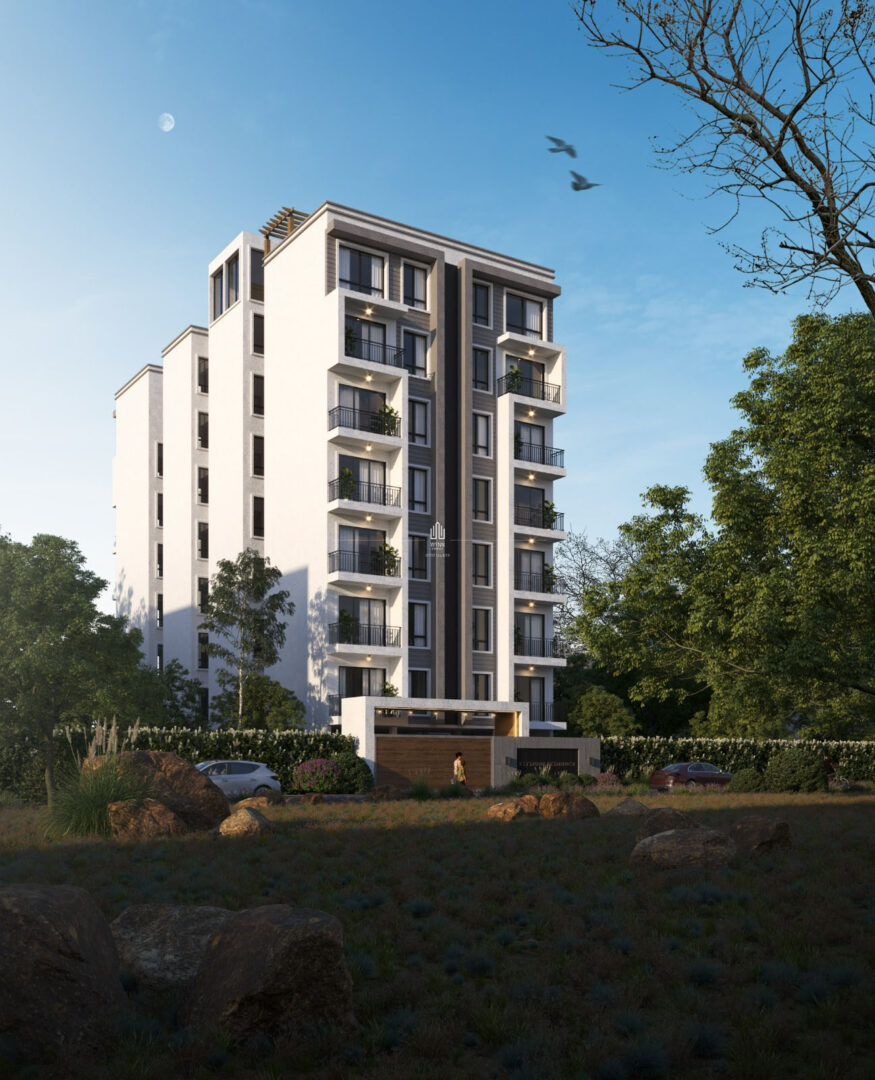
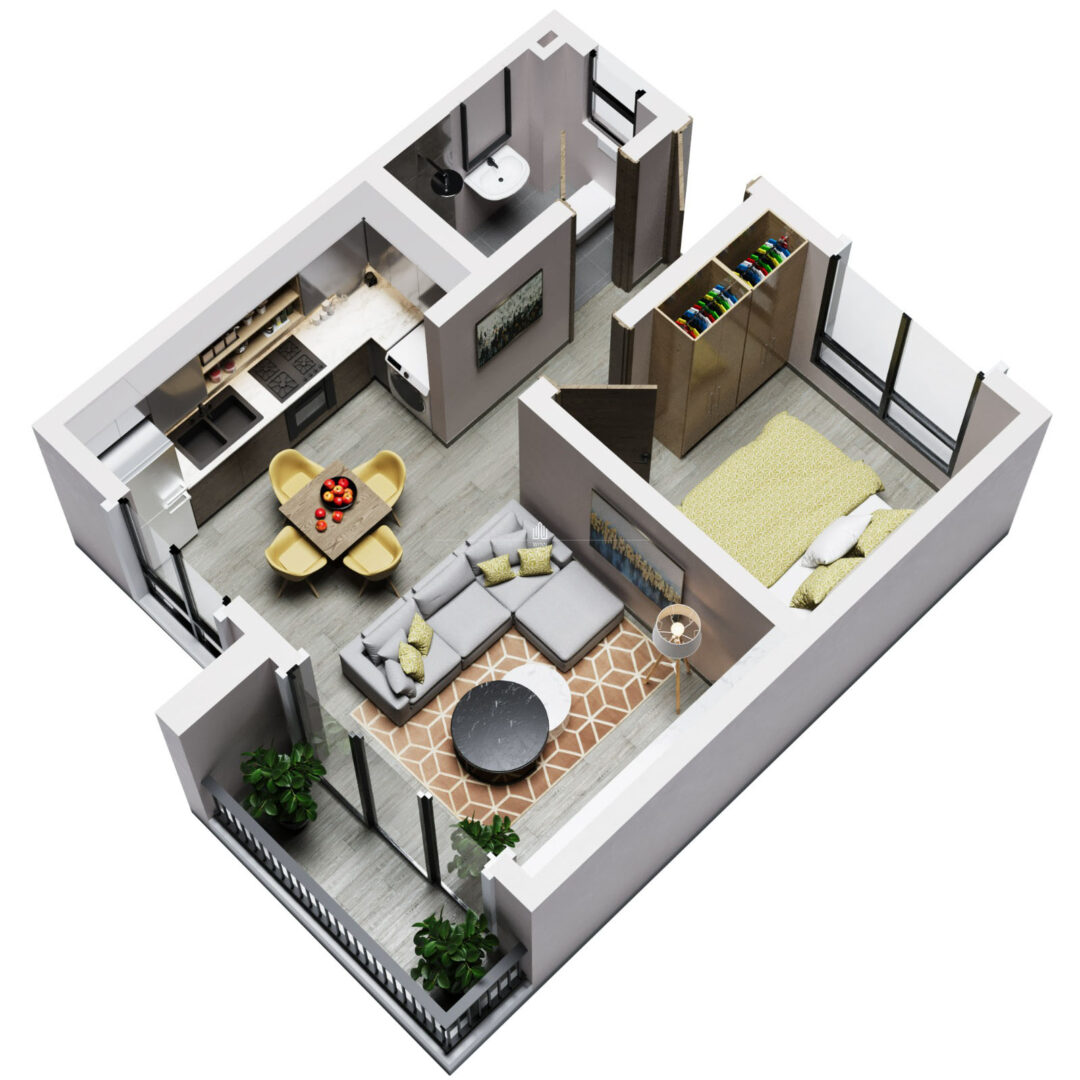

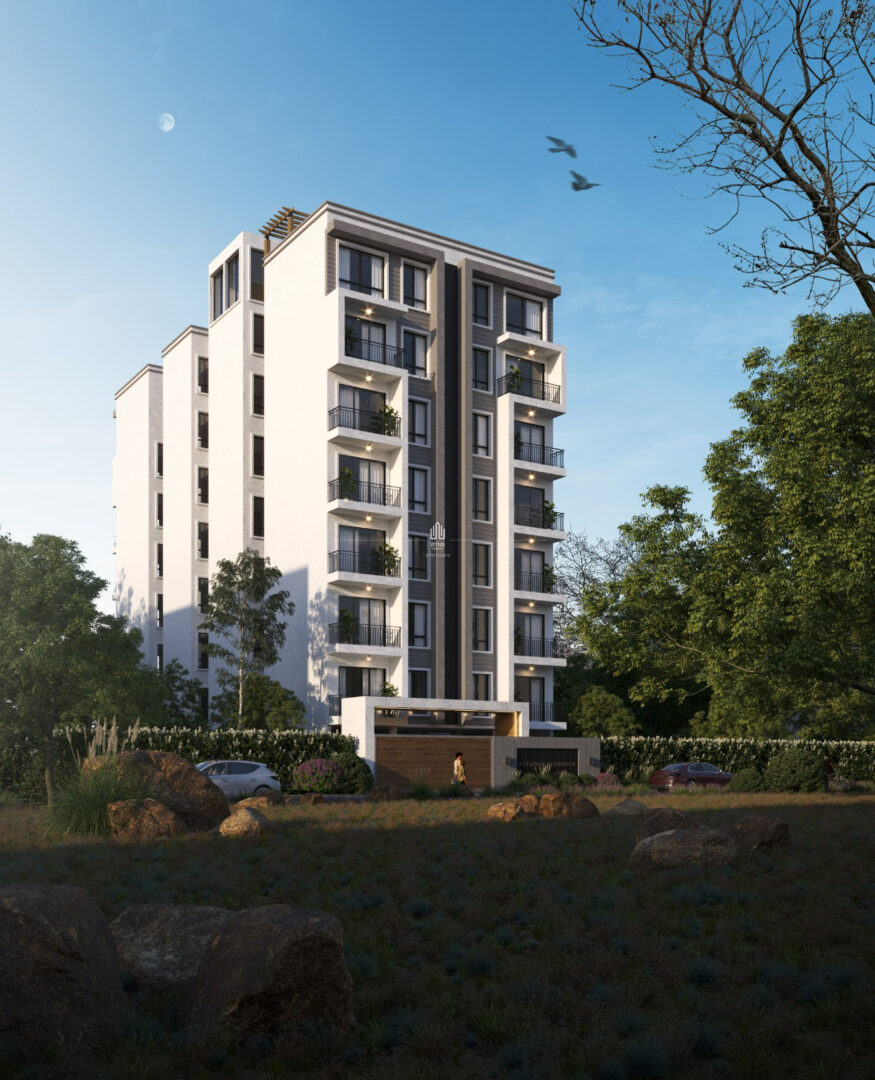
1 Bedroom Apartments for Sale at Well…
KES 3,900,000
Why More People Are Considering Ruiru
Ruiru’s growth is tied to several overlapping demand drivers.
More Space for the Money
Compared with many inner Nairobi neighbourhoods, Ruiru can provide larger apartments, standalone houses and private compounds at more accessible prices.
A buyer whose budget may secure a modest apartment closer to Nairobi can potentially consider a bungalow or maisonette in parts of Mugutha, Matangi, Kamakis or the wider Ruiru growth corridor.
The trade-off is usually distance. More space often means accepting a longer journey to work, less consistent municipal infrastructure or greater dependence on a private vehicle.
Access Through Thika Superhighway
Thika Superhighway remains the main transport spine connecting Ruiru to Kasarani, Roysambu, Pangani and Nairobi CBD.
The Eastern Bypass also provides an important route towards Embakasi, Mombasa Road and Jomo Kenyatta International Airport without passing directly through Nairobi CBD.
The Northern Bypass improves connectivity towards Kiambu Road, Ruaka and the western side of the Nairobi metropolitan area.
Employment Is Growing Outside Nairobi CBD
Ruiru is not only a commuter town. Kiambu County describes it as an industrial hub with manufacturing and commercial activity across the municipality. Tatu City adds a growing concentration of industrial, logistics, office, retail and service-sector employers.
This is especially relevant for households working in:
- Tatu Industrial Park
- Tatu Central
- Ruiru’s established industrial areas
- Kenyatta University and nearby institutions
- The Thika Road business corridor
- Kasarani, Roysambu or Garden City
- Remote or hybrid roles
For these households, Ruiru may provide a more practical daily routine than commuting from the opposite side of Nairobi.
What Makes Living in Tatu City Different?
Tatu City is designed around a managed urban environment rather than the more organic development pattern found across much of metropolitan Nairobi.
Planned Roads and Utilities
The city promotes fully serviced infrastructure, including roads, water, sewerage, power and ICT provision. Its business zones are described as fibre-ready and supported by managed power and water infrastructure.
This does not mean a buyer should skip technical due diligence. Residents should still confirm the exact water source, power-backup arrangements, internet provider, service charge and maintenance responsibilities within the individual estate or apartment development.
Controlled Development
Tatu City has development and operational rules covering matters such as construction, road use, noise, signage, waste management, pets and public parking.
For many homeowners, these controls are a positive feature. They can protect the character of a neighbourhood and reduce incompatible development.
Other buyers may find the environment restrictive, particularly if they want complete freedom over building design, external alterations, signage, pets or property use.
Anyone buying land or a house should read the applicable development controls before signing an offer.
A Growing Employment Ecosystem
Tatu City reported more than 100 businesses and approximately 25,000 people visiting, living, studying or working within the city daily when Jabali Towers was launched in 2025.
This helps support housing demand, but investors should avoid assuming that every new job automatically becomes a premium tenant.
Housing demand depends on salaries, household size, transport availability, employer policies and whether workers prefer to live inside Tatu City or in less expensive nearby neighbourhoods.
Managed Safety and Traffic Rules
Tatu City has introduced traffic marshals, controlled speed limits, designed pedestrian crossings and other safety measures. Its operational framework also allows rules and fines to be applied for matters such as speeding, littering and road use.
The result may feel calmer and more predictable than many open urban areas, although buyers should still assess the security systems of the particular estate or apartment building they are considering.
Best Places to Live in Ruiru and Around Tatu City
There is no single “best” neighbourhood. The right area depends on whether the priority is affordability, proximity to Tatu City, access to Thika Road, family space or a more controlled environment.
1. Tatu City
Best for:
- People working inside Tatu City
- Families prioritising managed surroundings
- Professionals seeking modern apartments
- Buyers interested in controlled residential development
- Corporate and executive tenants
- Households with children attending schools within the city
Housing includes apartments, family homes, serviced plots and newer mixed-use projects.
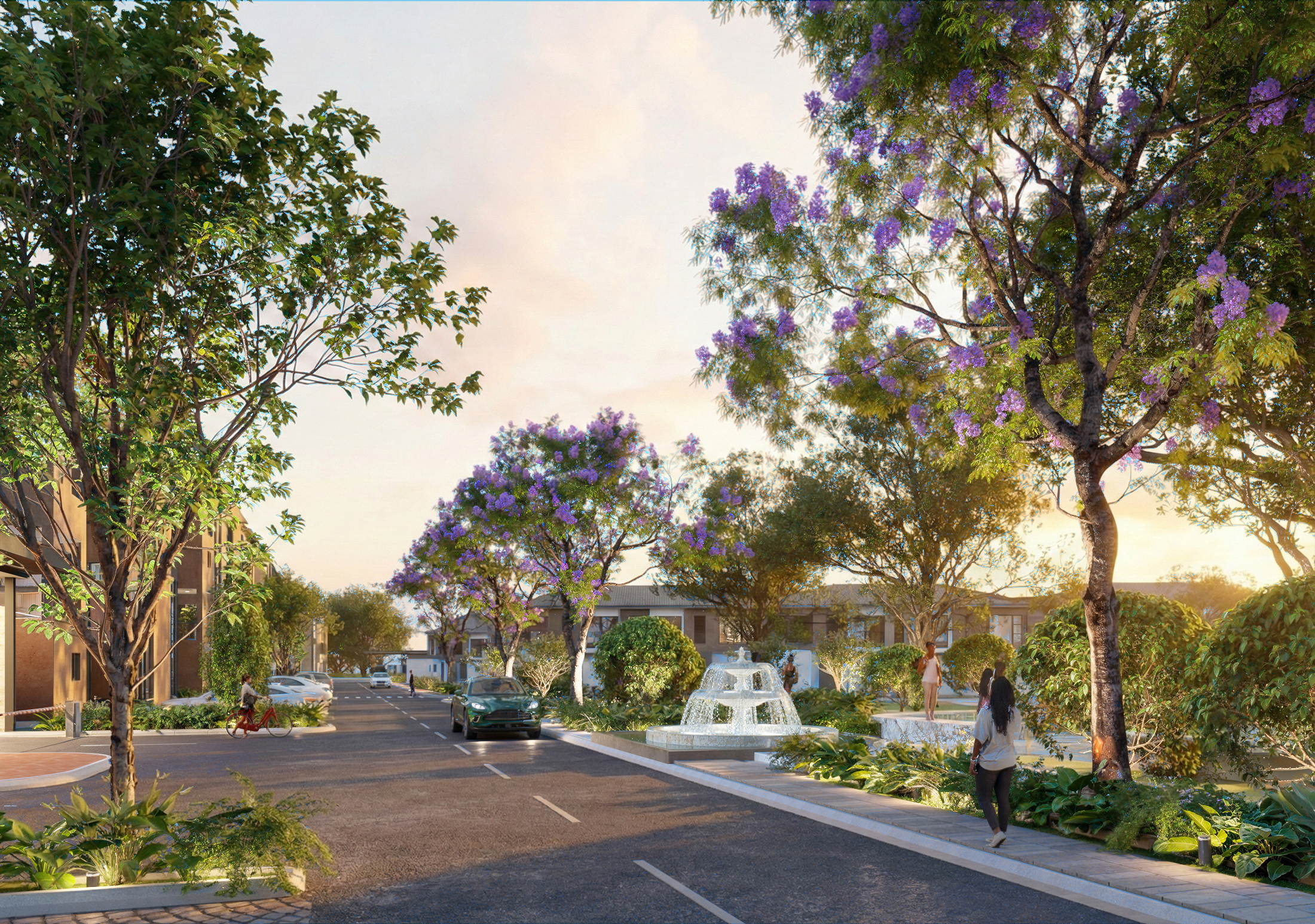
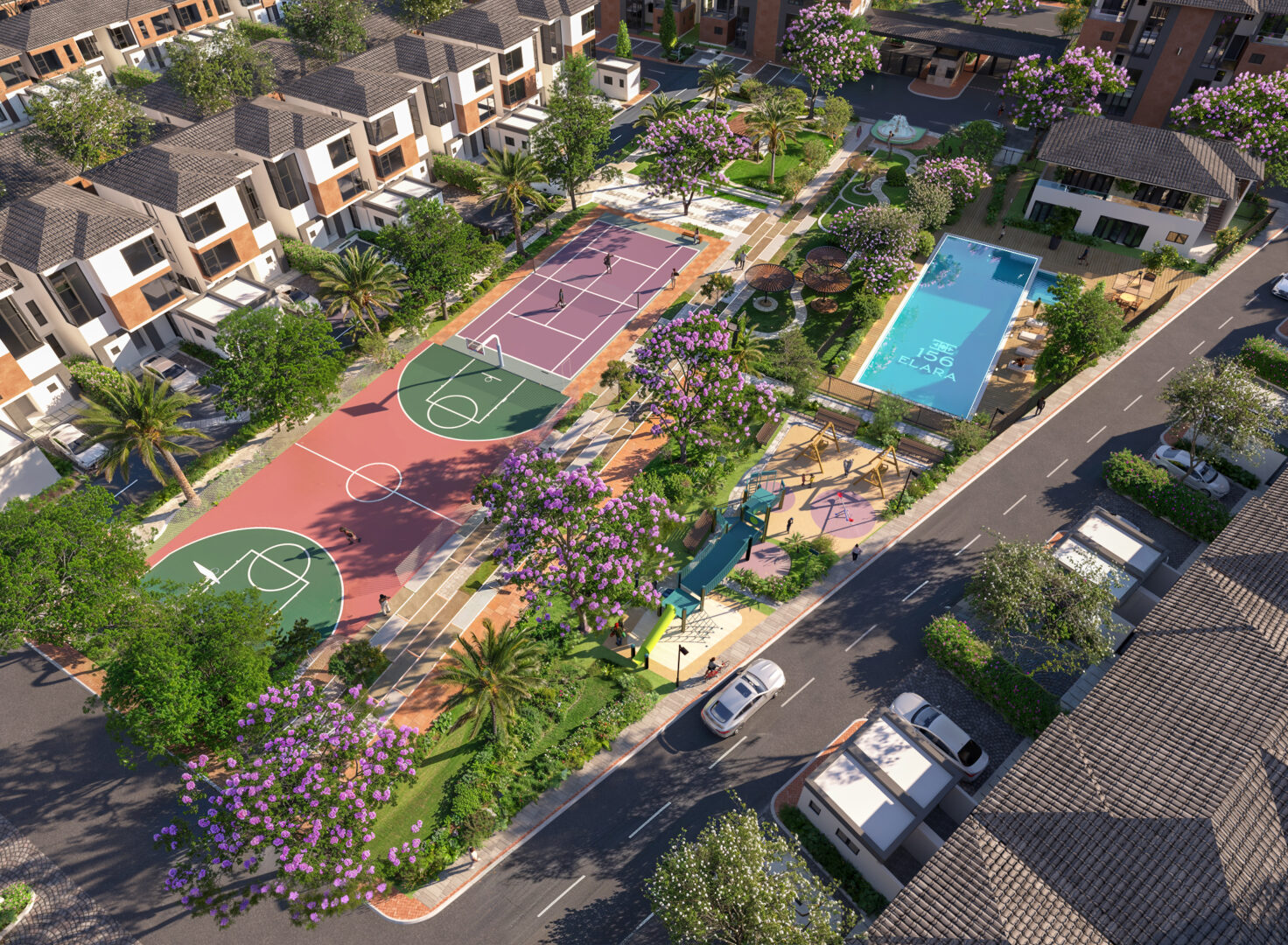
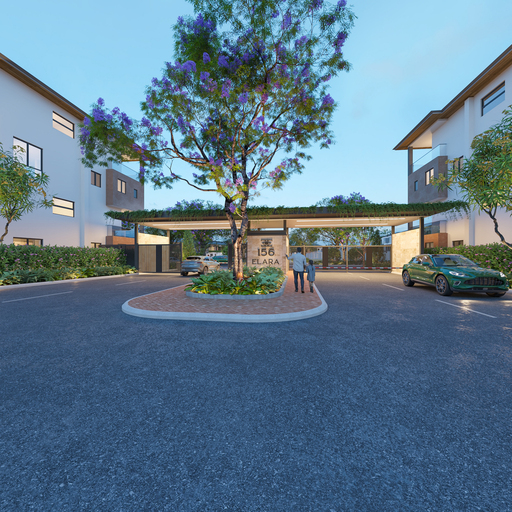
Current and planned residential products include developments such as Unity Homes, Kijani Ridge, Jabali Towers and Porini Point. Buyers should evaluate each project separately because prices, completion dates, service charges, density and amenities differ.
Tatu City works particularly well when a resident’s workplace, school or regular activities are inside the city. The value of the location reduces when a household still has to travel across Nairobi every morning and evening.
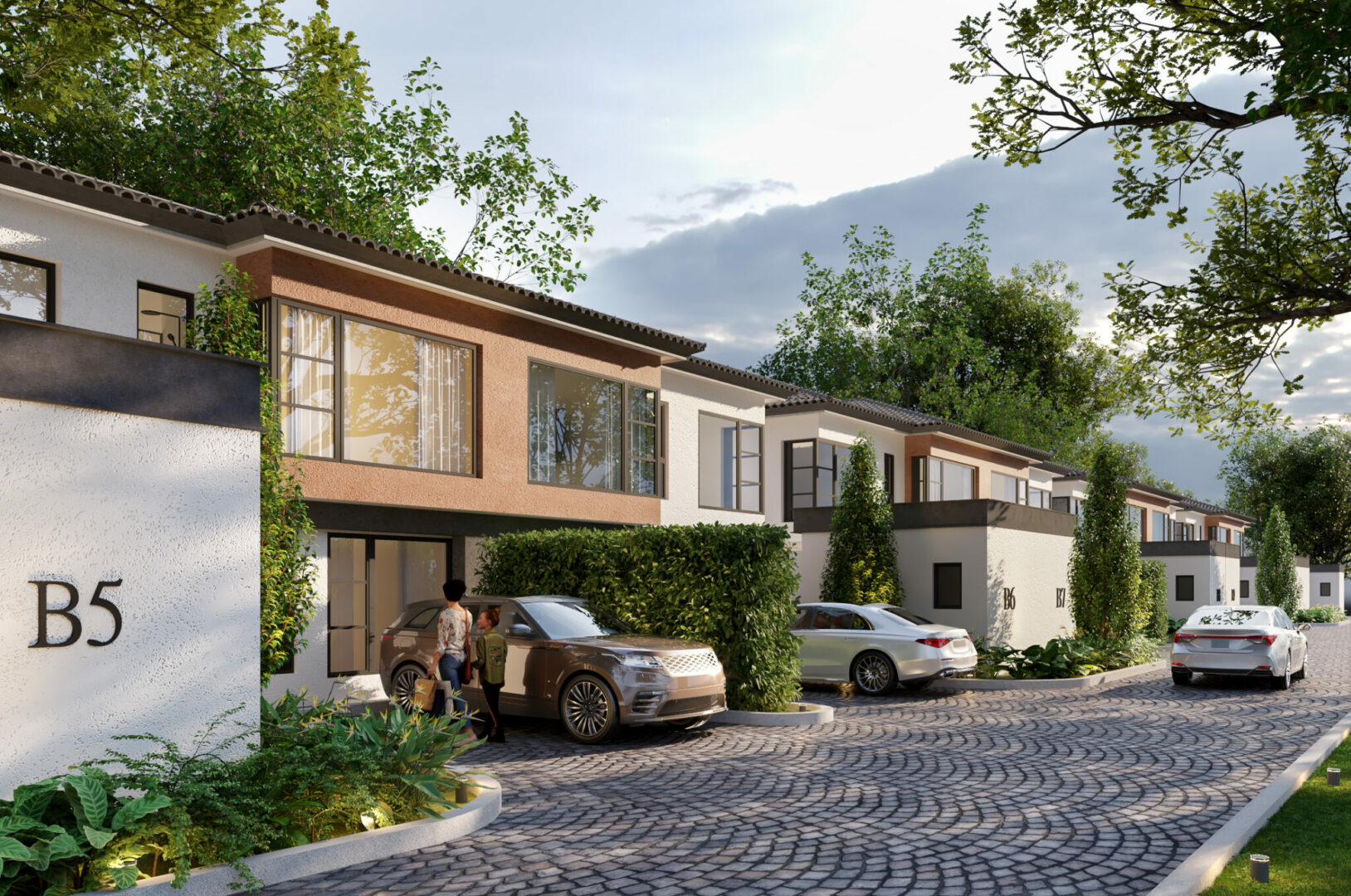
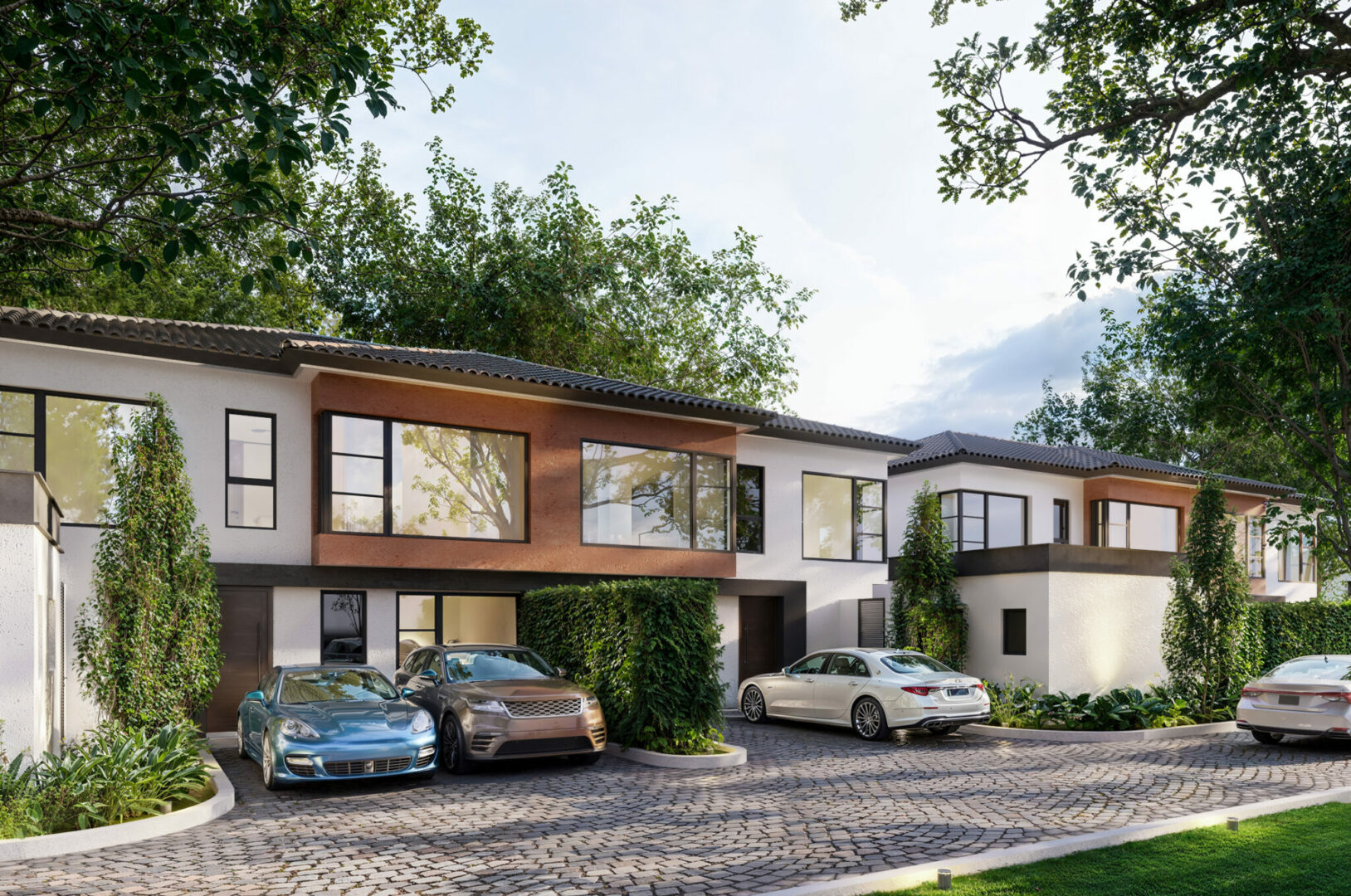
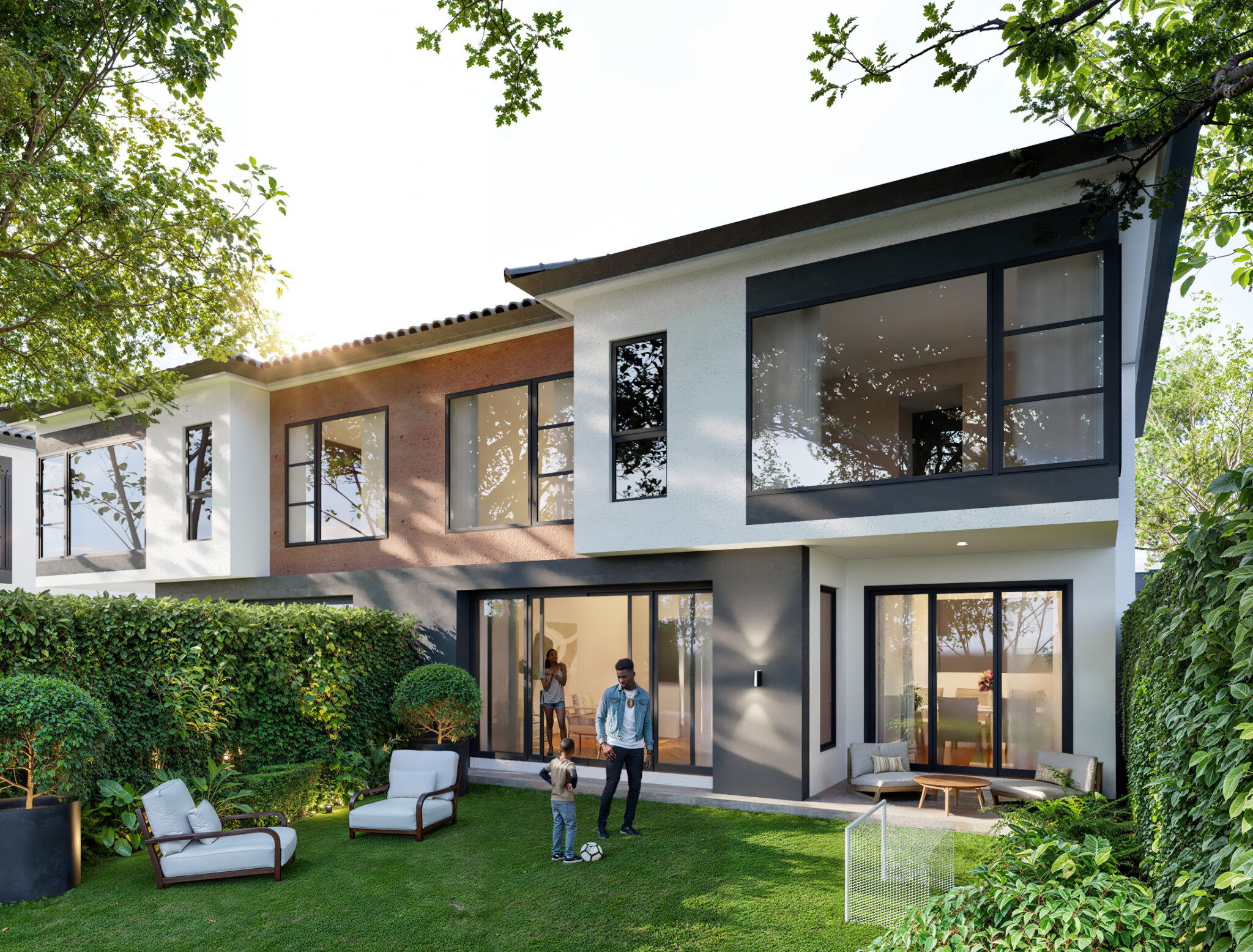

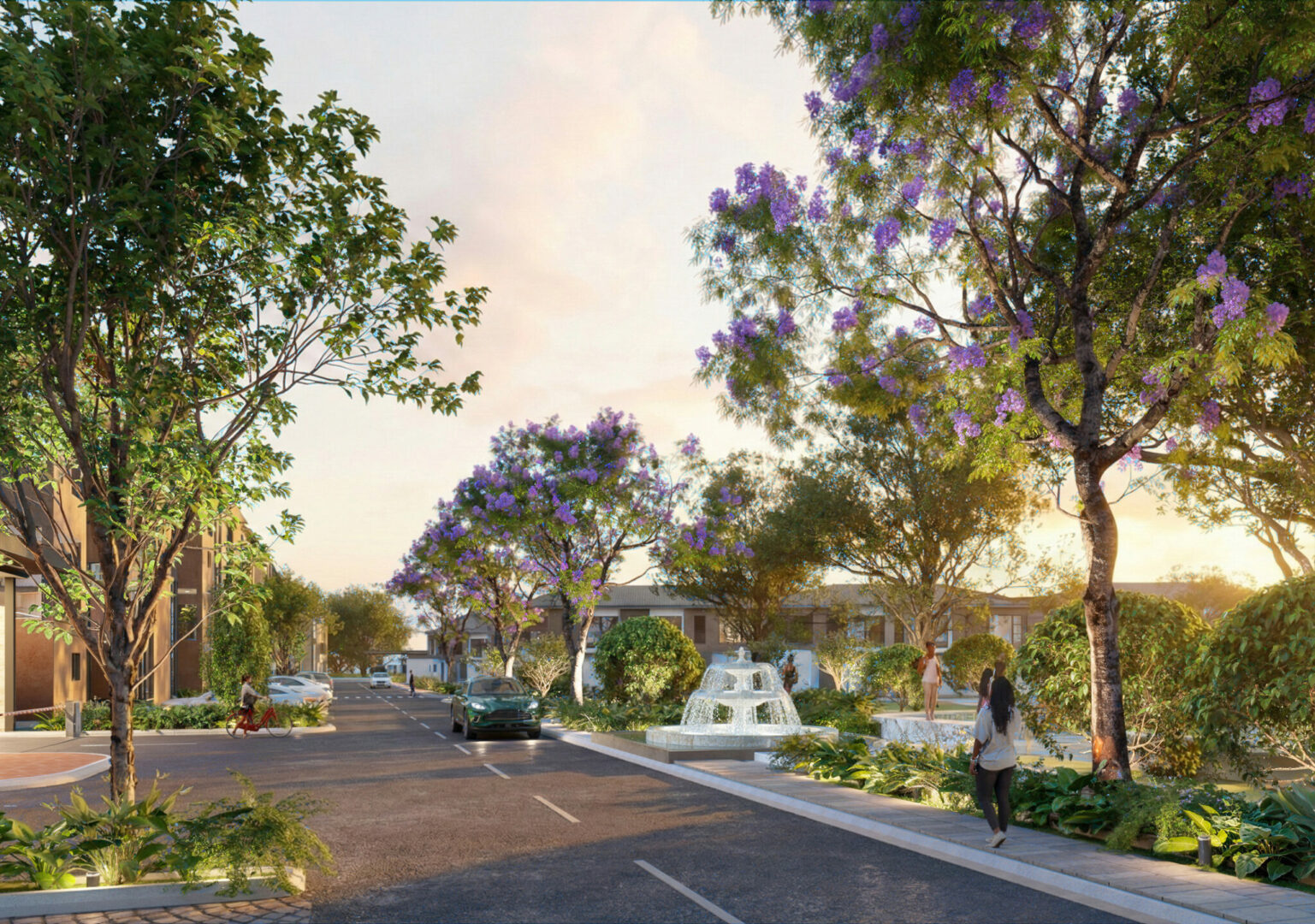

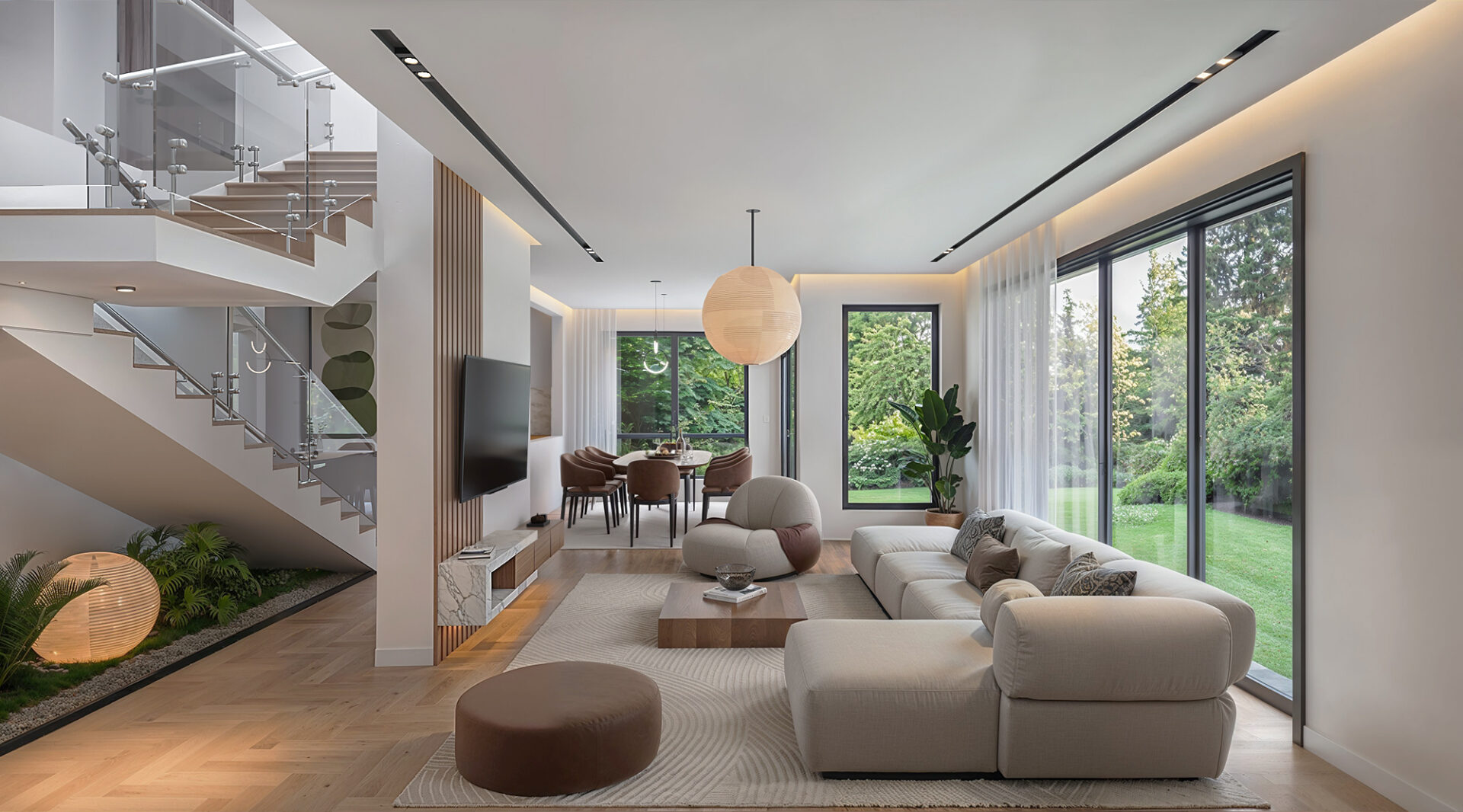

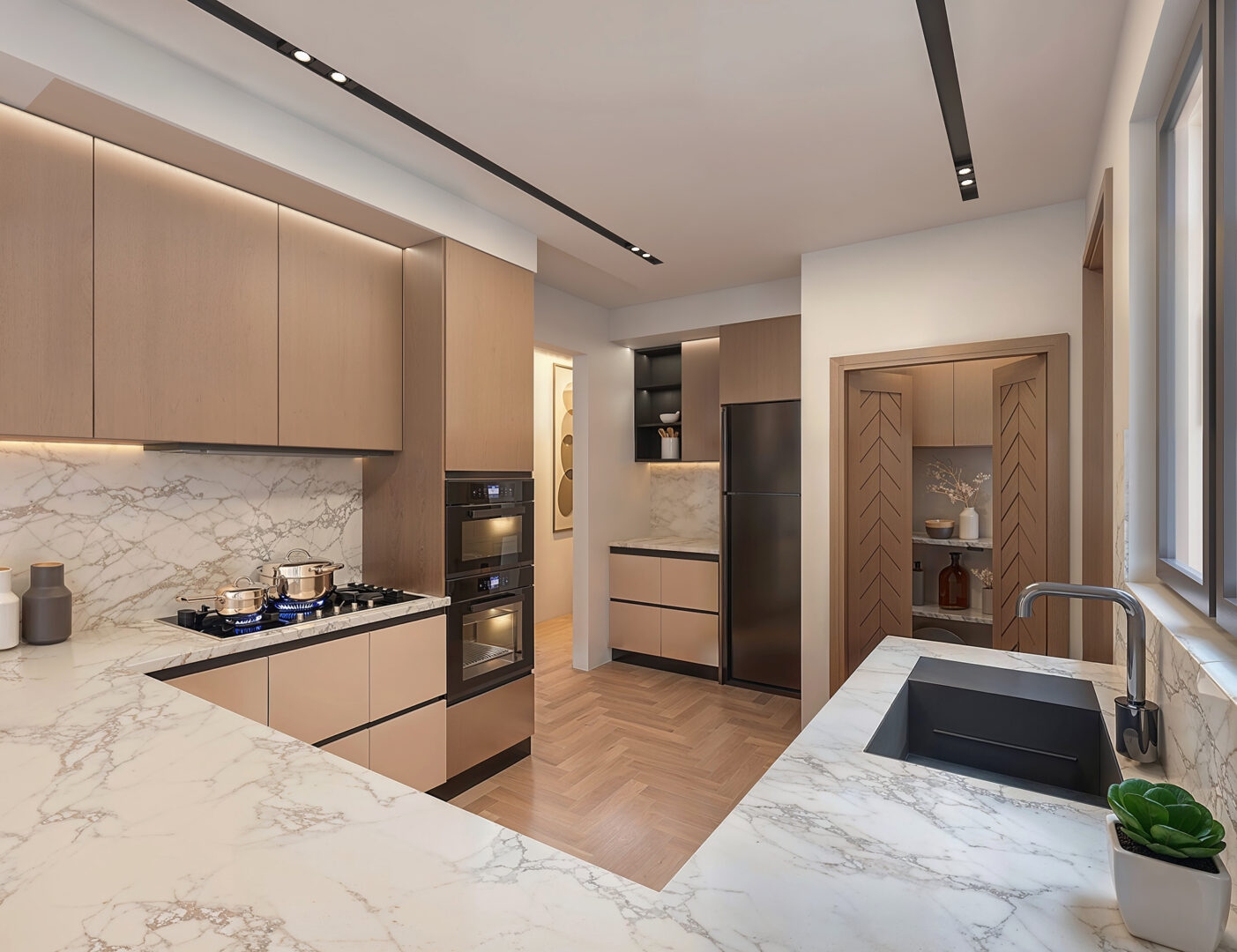

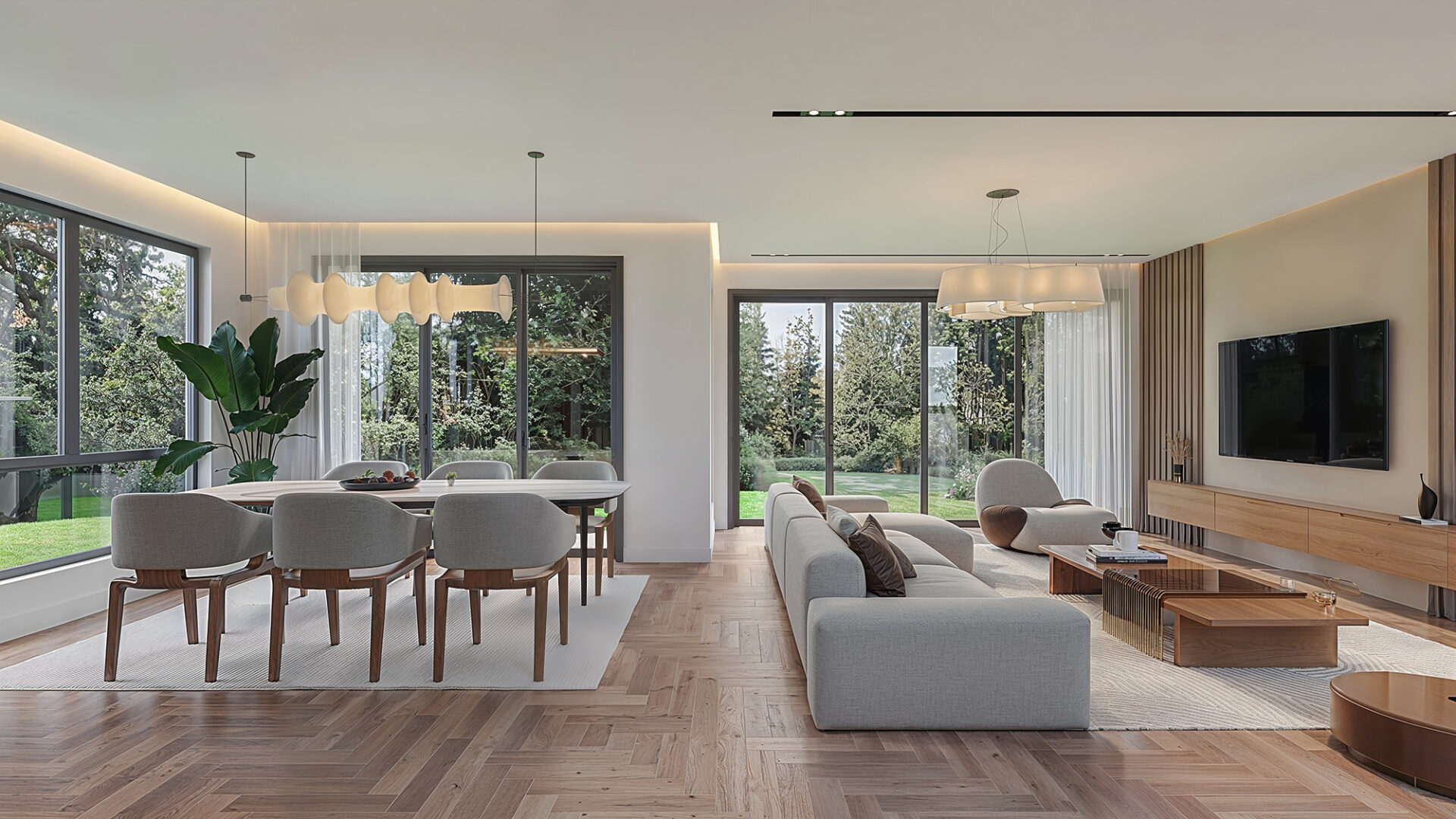

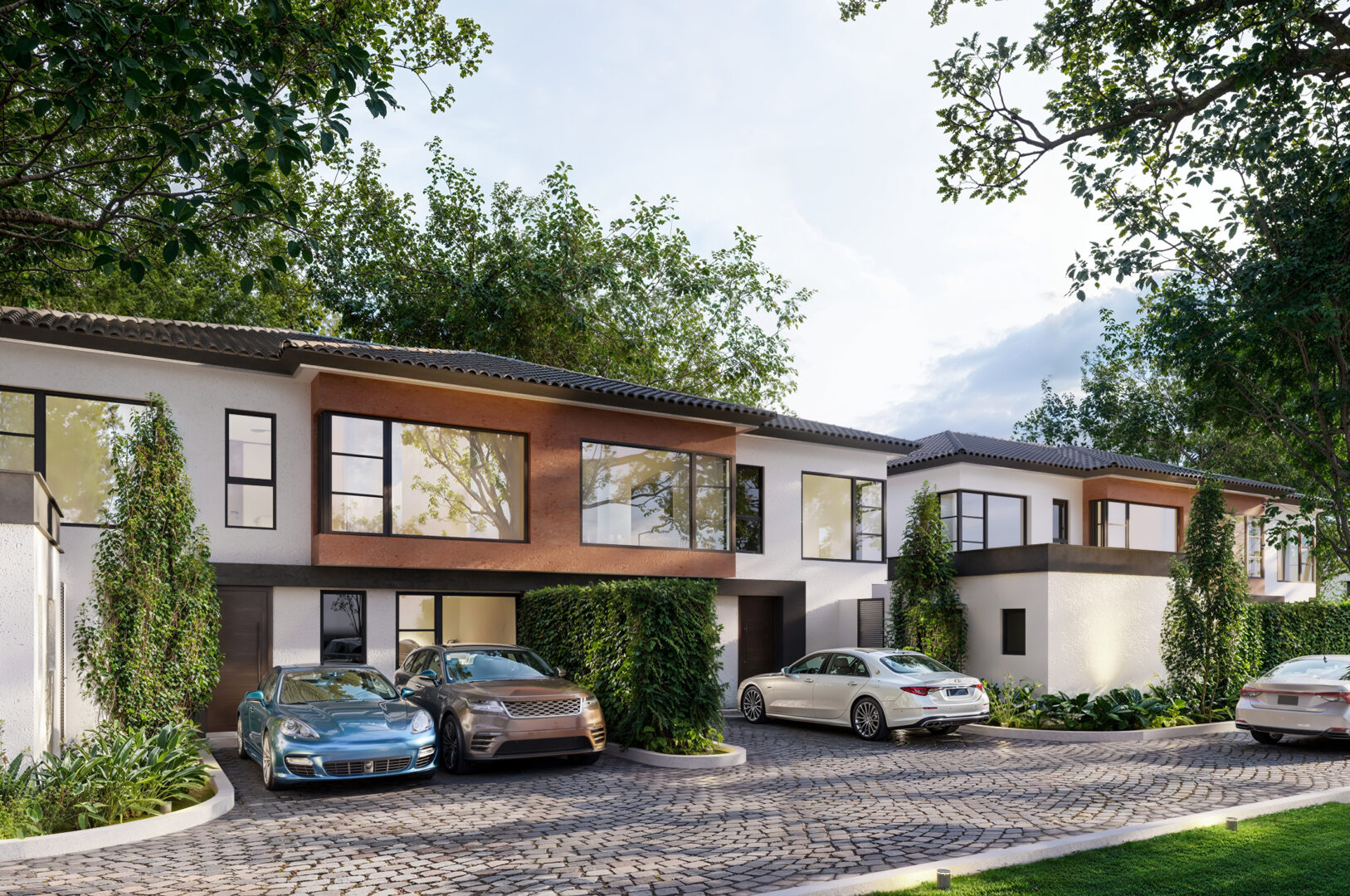

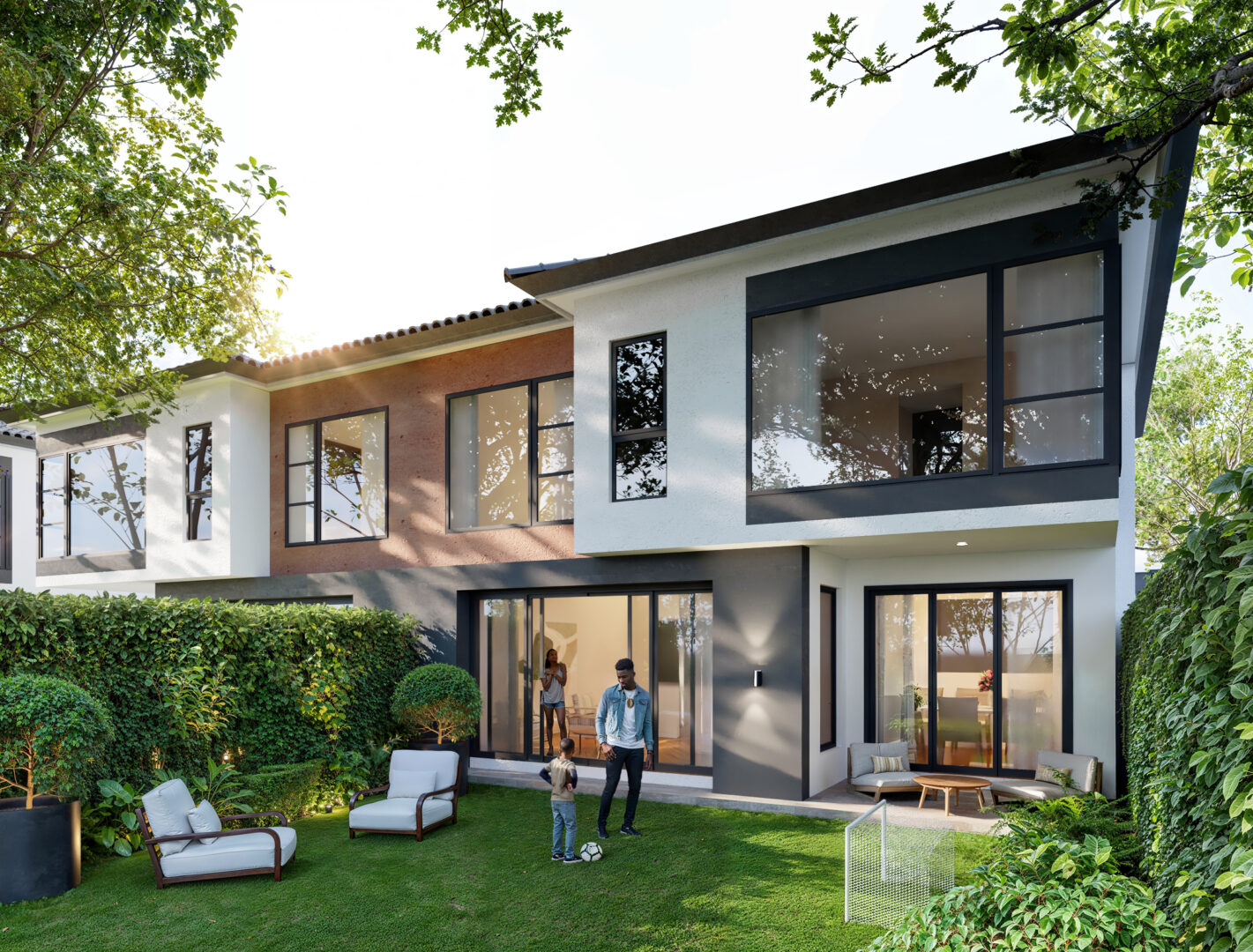

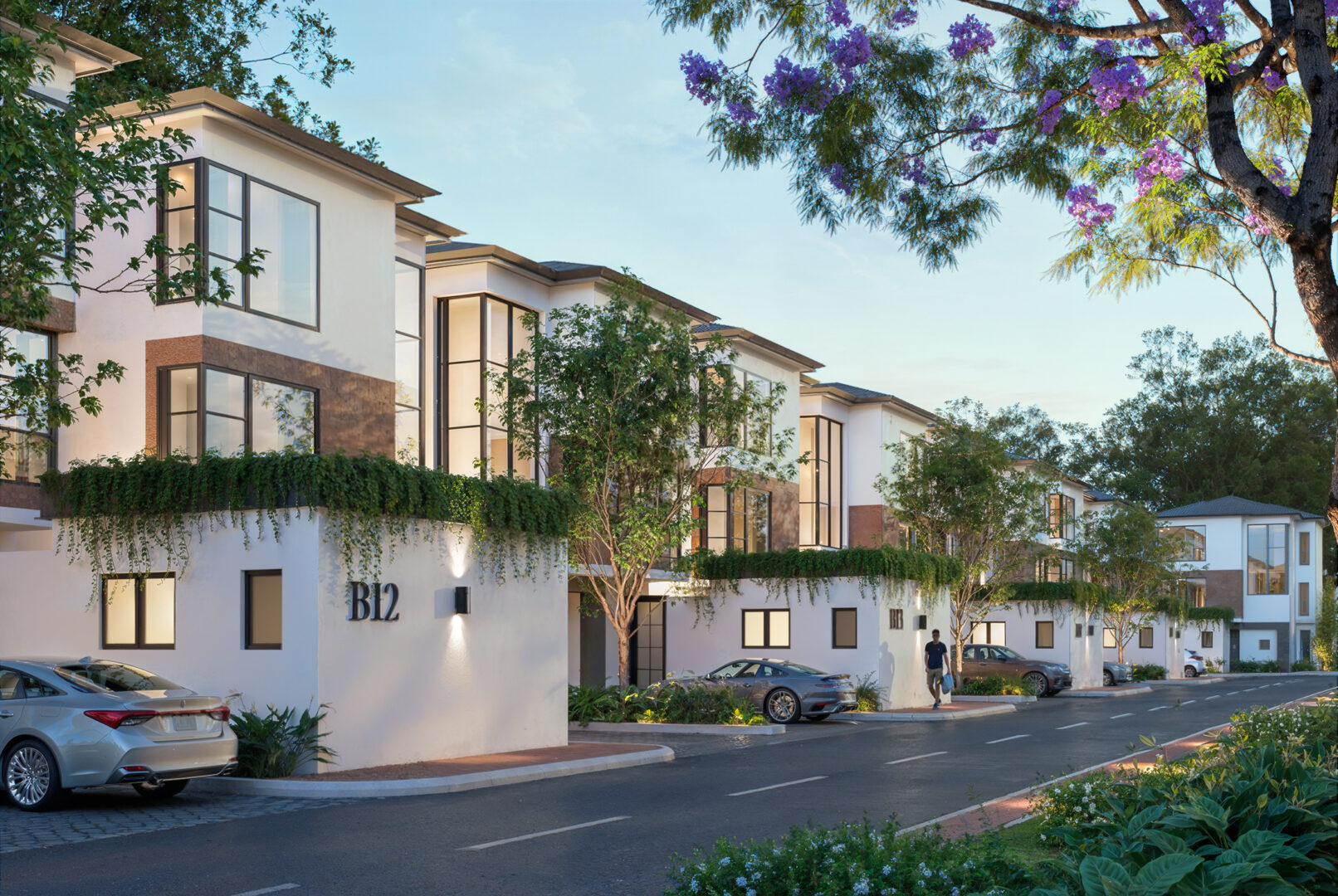
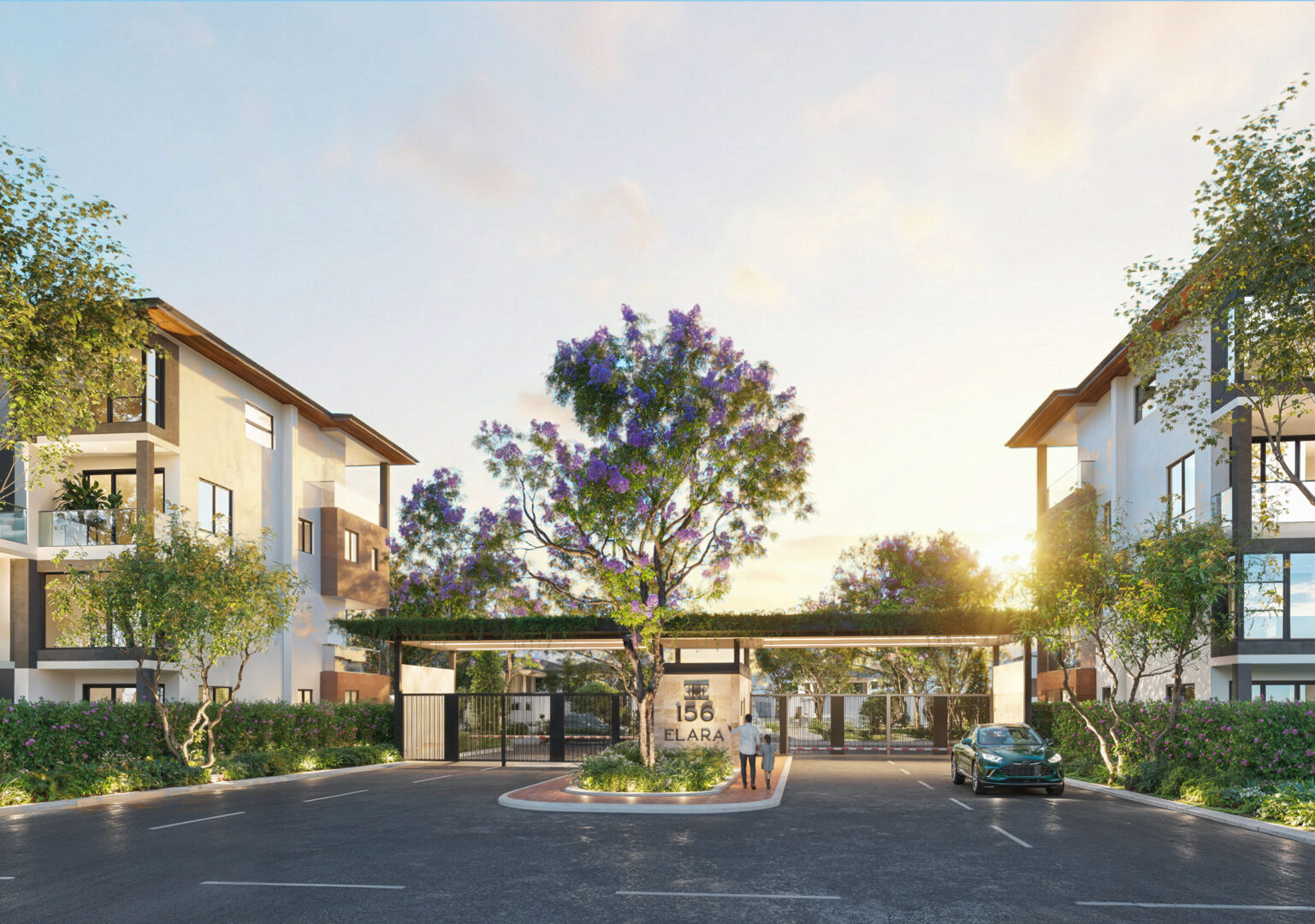


Premium 4 Bedroom Townhouse for Sale …
2. Ruiru OJ
Best for:
- Workers seeking proximity to Tatu City
- Renters who want lower costs than living inside Tatu City
- Households using the Ruiru–Kiambu Road or Northern Bypass
- Young professionals seeking newer apartments
OJ, commonly understood as the Old Junction area, sits near Tatu City and offers a mixture of apartment developments and executive residential options.
Indicative local rental guides place one-bedroom apartments at approximately KES 15,000–22,000 and two-bedroom apartments at around KES 25,000–40,000. Actual rents depend on building age, water reliability, parking, finishes and proximity to the main road.
It can provide a useful middle ground: close enough to benefit from Tatu City’s employment growth without paying the full premium associated with living inside the master-planned development.
3. BTL and the Ruiru–Kiambu Road Side
Best for:
- Tatu City workers seeking nearby accommodation
- Residents travelling between Ruiru and Kiambu
- Households that prefer a quieter setting outside Ruiru Town
The BTL side sits near the Ruiru–Kiambu Road opposite or close to Tatu City. It is often used as a location reference rather than a formally defined residential estate.
Housing quality varies, so renters should inspect the precise road, building and last-mile transport arrangements rather than relying only on the general BTL label.
4. Ruiru Town
Best for:
- Budget-conscious renters
- Small-business owners
- Households relying on public transport
- Residents who value access to shops, banks and everyday services
Ruiru Town is one of the more practical areas for people who want to remain close to transport, retail and commercial activity.
Housing stock is varied, with many older apartment buildings alongside newer developments. Local rental guides indicate approximately KES 10,000–15,000 for one-bedroom units and KES 16,000–25,000 for two-bedroom apartments.
The area is convenient but busier than Tatu City, Membley or the more residential parts of Kamakis. Noise, parking and congestion should be checked during the times when the prospective resident will normally be at home.
5. Kamakis
Best for:
- Families looking for gated estates
- Buyers seeking maisonettes or standalone homes
- Residents using the Eastern Bypass
- Households wanting dining, shopping and commercial activity nearby
Kamakis has grown into one of the most visible residential and commercial nodes around Ruiru.
Near the main roads, the area is busy and commercially active. Further into residential sections, buyers can find apartments, gated courts and family houses.
Local rental estimates place one-bedroom apartments at approximately KES 13,000–20,000, two-bedroom apartments at KES 20,000–35,000 and three-bedroom homes or apartments at broadly KES 35,000–60,000.
The precise road matters. Some developments have good access and drainage, while others may involve longer journeys along murram feeder roads.
6. Membley
Best for:
- Established families
- Buyers looking for gated-community living
- Households seeking maisonettes and private compounds
- Residents who want access to Thika Road without living in a dense apartment area
Membley is among Ruiru’s better-known upper-middle-market residential areas. It contains gated courts, maisonettes and owner-occupied family homes.
Rental costs are generally higher than in Ruiru Town, Wataalam or Matangi. Local guides place two-bedroom properties at approximately KES 35,000–60,000 and larger three-bedroom options at KES 60,000 or more, although house type and estate standards vary widely.
Membley may suit households that prefer an established residential community but do not require the full master-planned environment of Tatu City.
7. Wataalam
Best for:
- Students and younger renters
- Households seeking more affordable apartments
- Residents who need access to the Ruiru Bypass and Thika Road
Wataalam is a denser residential area with comparatively affordable housing.
Indicative rents are around KES 9,000–14,000 for a one-bedroom unit and KES 15,000–22,000 for a two-bedroom apartment.
It can work for renters prioritising budget, but the exact building should be checked for water storage, parking, security, noise and road access.
8. Matangi and Mugutha
Best for:
- Budget-conscious families
- Buyers seeking bungalows or maisonettes
- Residents willing to live farther from the main highway
- Households prioritising space over immediate access
Matangi offers a broad selection of lower-priced apartments and family housing, while Mugutha has attracted buyers interested in bungalows, maisonettes and lower-density residential development.
Local rental guides place many two-bedroom homes in the KES 16,000–30,000 range, depending on the specific location and building.
The main consideration is connectivity. Prospective residents should inspect feeder roads, drainage and public-transport availability, particularly during rainy weather and peak commuting hours.
9. Oaklands and the Northern Growth Corridor
Best for:
- Land buyers
- Families planning to build
- Long-term property owners
- Buyers seeking controlled development outside Tatu City
Oaklands is a separate master-planned area north of Tatu City. Its website states that it is approximately 1.5 kilometres north of Tatu City and plans more than 4,000 homes.
As of the reviewed information, advertised options included eighth-acre plots from approximately KES 3.4 million, with other residential and mixed-use products at higher price points. These are marketing prices and should be reconfirmed before any investment decision.
Buyers should not confuse Oaklands with Tatu City. The two areas have different ownership structures, infrastructure commitments, development controls and project timelines.
Porini Point, Tatu City — 1…
Rental Prices in Ruiru and Tatu City
The table below provides broad asking-rent indications drawn from live property portals and local neighbourhood guides. They are not formal valuations and should not be treated as guaranteed achievable rents.
| Area | 1 Bedroom | 2 Bedroom | 3 Bedroom |
|---|---|---|---|
| Tatu City | Around KES 34,500–43,000 unfurnished; furnished options can be considerably higher | Around KES 47,500–65,000 for many current listings | Around KES 80,000 in selected current listings |
| Ruiru Town | KES 10,000–15,000 | KES 16,000–25,000 | KES 25,000–35,000 |
| Ruiru OJ | KES 15,000–22,000 | KES 25,000–40,000 | KES 30,000–65,000 |
| Kamakis | KES 13,000–20,000 | KES 20,000–35,000 | KES 35,000–60,000 |
| Wataalam | KES 9,000–14,000 | KES 15,000–22,000 | KES 22,000–30,000 |
| Matangi | KES 10,000–16,000 | KES 16,000–25,000 | KES 25,000–35,000 |
| Membley | KES 15,000–25,000 | KES 35,000–60,000 | KES 60,000–120,000+, depending on property type |
Current Tatu City listings show one-bedroom asking rents beginning in the mid-KES 30,000s for some unfurnished units, while two-bedroom apartments commonly appear between approximately KES 47,500 and KES 65,000. Furnished, serviced or short-stay units may be listed substantially above these levels.
Before comparing rents, confirm whether the quoted amount includes:
- Service charge
- Water
- Internet
- Clubhouse or gym access
- Parking
- Waste collection
- Security charges
- Furniture and appliances
- Electricity backup
- Property management fees
A cheaper apartment may become less attractive when water deliveries, transport and utility interruptions are added to the monthly cost.
Is It Cheaper to Live Near Tatu City Rather Than Inside It?
In many cases, yes.
Neighbourhoods such as OJ, Wataalam, BTL and parts of wider Ruiru can offer significantly lower rents than newer apartments inside Tatu City.
The decision should not be made on rent alone. A resident working in Tatu City should compare:
Rent saving
minus
daily transport cost + additional travel time + utility differences + security considerations
For example, saving KES 15,000 per month on rent may be worthwhile when a reliable staff shuttle is available. It may be less attractive when the resident must rely on several daily connections or pay for ride-hailing transport.
Buying Property in Ruiru Versus Tatu City
Buying in Tatu City
Tatu City may suit buyers who prioritise:
- Controlled planning
- Managed infrastructure
- Defined development rules
- Proximity to schools and employers within the city
- New-build housing
- A more predictable neighbourhood character
The premium paid should be evaluated against service charges, estate rules, construction quality and the actual stage of surrounding development.
Do not buy solely because a project is located in Tatu City. Review the individual developer, title structure, delivery record, unit density, management company and completion timetable.
Buying in Wider Ruiru
Wider Ruiru may suit buyers who prioritise:
- More house or land for their budget
- Standalone bungalows and maisonettes
- Lower entry prices
- Established local communities
- Rental demand from students, workers and commuters
- Flexibility to build, subject to planning rules
The main risks are inconsistency.
Two properties with similar asking prices may have very different road access, water reliability, drainage, construction quality and documentation.
This makes site-specific due diligence especially important.
Realistic Commuting from Ruiru and Tatu City
Commute time is one of the most overstated parts of property marketing.
Tatu City promotional information cites approximately 35 minutes to Nairobi CBD and around 40 minutes to JKIA through routes including Thika Superhighway, the Eastern Bypass, Northern Bypass, Kiambu Road and Ruiru–Kiambu Road. These are useful location benchmarks, but they should not be treated as guaranteed rush-hour travel times.
In practice, wider Ruiru travel estimates commonly fall within:
| Destination | Practical Planning Range |
|---|---|
| Nairobi CBD | Approximately 30–60+ minutes |
| Kasarani | Approximately 15–30 minutes |
| Garden City and Roysambu | Approximately 15–35 minutes |
| Westlands | Approximately 35–60+ minutes |
| JKIA via Eastern Bypass | Approximately 40–70+ minutes |
| Kiambu Road corridor | Route-dependent through Northern Bypass or Ruiru–Kiambu Road |
Actual travel depends on:
- Time of departure
- Entry point onto Thika Superhighway
- Traffic near Ruiru Town
- Eastern Bypass congestion
- School-run traffic
- Weather
- Roadworks
- Distance from the estate to the main road
A prospective resident should test the commute personally on a normal weekday before paying a deposit.
Public Transport
Public transport is strongest along Thika Superhighway and within Ruiru Town.
Last-mile transport becomes less predictable in neighbourhoods located farther from the highway or main tarmac roads. Some residents rely on estate shuttles, matatus, taxis, tuk-tuks or motorcycle transport for the final part of their journey.
When choosing a home, inspect the route after dark and during rainy weather, not only on a quiet weekend afternoon.
Schools and Education
Tatu City currently hosts Crawford International School and Nova Pioneer. The city has also announced Wellington College International Kenya, a day and boarding school planned to open in September 2028 for students aged three to eighteen.
Wider Ruiru also benefits from access to:
- Kenyatta University
- Zetech University
- Local private academies
- Public primary and secondary schools
- Schools along Thika Road and Kiambu Road
Families should assess more than the straight-line distance to a school.
Important considerations include:
- Morning traffic
- School-bus coverage
- Curriculum
- Fees
- After-school activities
- Sibling admission
- Travel time during rain
- Whether a move would require changing schools
Living inside Tatu City can be particularly practical for families whose children already attend an institution within the development.
Healthcare Access
Healthcare provision is improving, but residents should understand the difference between everyday care and specialist hospital access.
Tatu City includes medical clinics and healthcare services within its development plan and commercial areas. Wider Ruiru has public and private facilities serving routine outpatient, maternity and emergency needs.
For specialist procedures, some households may still travel towards central Nairobi, Thika Road or Kiambu Road.
Before moving, families with young children, older relatives or ongoing medical needs should identify:
- The nearest 24-hour facility
- Ambulance response options
- Maternity services
- Paediatric care
- Diagnostic services
- Pharmacy opening hours
- Realistic travel time to a major hospital
Water, Power, Internet and Roads
These issues often determine whether a property feels comfortable after the excitement of moving has passed.
Inside Tatu City
The city is designed around managed water, power, sewerage and ICT infrastructure. Individual residential projects may still have different backup systems and utility arrangements.
Ask each landlord or developer:
- Is water supplied continuously?
- Is there adequate storage?
- Does the building have a borehole?
- Is backup power full or limited to common areas?
- Which internet providers serve the property?
- Who maintains internal roads and landscaping?
- What is covered by the service charge?
Wider Ruiru
Infrastructure quality is more uneven.
Main roads can be excellent, while a nearby internal road may be murram, poorly drained or difficult during heavy rain. Some developments have boreholes and large storage tanks; others depend more heavily on public supply or purchased water.
Visit the property during or soon after rainfall where possible. Check for standing water, erosion, difficult access and signs of moisture inside the house.
Lifestyle and Recreation
Tatu City Lifestyle
Tatu City is increasingly built around organised recreation and outdoor space.
Its planned environment includes parks, walking routes, cycling paths and sports facilities. Official project information states that significant land has been allocated to parks, playgrounds and open spaces.
The city has also developed sports facilities, including football and basketball areas, with pedestrian and recreation networks forming part of its broader plan.
The lifestyle is generally quieter and more structured than central Ruiru or Kamakis.
Wider Ruiru Lifestyle
Ruiru offers a more established mix of:
- Local shopping centres
- Restaurants
- Family resorts
- Sports facilities
- Churches and community institutions
- Student-oriented entertainment
- Busy roadside commercial centres
- Estate-level social life
Kamakis is one of the more active dining and commercial areas, while Membley and Mugutha offer a quieter family-oriented experience.
For major cinemas, extensive retail and wider dining options, residents may still travel towards Garden City, Thika Road Mall or central Nairobi.
Security: Tatu City Versus Wider Ruiru
Security cannot be judged using the name “Ruiru” alone.
Tatu City operates controlled access systems and city-level safety and traffic policies. Its individual residential developments may add private security, CCTV, access cards and estate management.
In wider Ruiru, security depends heavily on the particular neighbourhood and building.
A well-managed gated court in Membley may offer a substantially different experience from an open apartment block near a busy town-centre road.
Before renting or buying, confirm:
- Gate and visitor procedures
- CCTV coverage
- Night security staffing
- Street lighting
- Perimeter security
- Emergency contacts
- Access during power outages
- Whether moving trucks require prior approval
- Security along the route from public transport
The Main Advantages of Living in Ruiru
Better Housing Value
Many households can secure more space than they would at the same budget in central Nairobi.
Multiple Housing Segments
Ruiru accommodates students, first-time renters, families, professionals and premium homeowners.
Strong Regional Connectivity
Thika Superhighway, the Eastern Bypass and Northern Bypass provide several movement options.
Employment Beyond the CBD
Industrial, educational and commercial employers create local demand and reduce complete dependence on Nairobi CBD.
Tatu City as an Economic Anchor
Tatu City is attracting businesses, schools, housing and services that may benefit surrounding areas as well as residents inside the city.
Buying and Building Opportunities
The wider Ruiru corridor continues to offer apartments, homes and plots across different budgets.
The Main Challenges
Peak-Hour Commuting
A home may appear close to Nairobi on a map but still involve a tiring daily commute.
Uneven Infrastructure
Roads, drainage, water and street lighting vary from one estate to another.
Variable Development Quality
Ruiru’s construction growth includes both experienced developers and weaker projects. Independent inspection is essential.
Last-Mile Transport
Some homes are affordable because they are farther from reliable public transport.
Lifestyle Trade-Offs
Residents accustomed to central Nairobi’s restaurants, entertainment and cultural facilities may find some Ruiru neighbourhoods quieter or more limited.
Service Charges in Managed Developments
Modern estates may provide excellent amenities, but these come with recurring costs that must be included in the household budget.
Who Should Consider Tatu City?
Tatu City may be particularly suitable for:
- People employed within Tatu City
- Families with children attending on-site schools
- Professionals working remotely or on hybrid schedules
- Buyers prioritising controlled development
- Corporate tenants
- Households seeking modern apartments and managed amenities
- Buyers comfortable with estate rules and service charges
It may be less suitable for someone who must commute daily to Karen, Upper Hill or the far western side of Nairobi and has no flexible working arrangement.
Who Should Consider Wider Ruiru?
Wider Ruiru may be suitable for:
- First-time renters
- Students
- Small-business owners
- Families seeking larger houses
- Buyers with moderate homeownership budgets
- Workers along Thika Road
- Employees within Tatu City who want lower rent
- Land buyers willing to conduct detailed due diligence
- Investors targeting clearly defined student, worker or family demand
Renting Checklist Before Moving
Before paying a deposit, confirm:
- The exact monthly rent and deposit
- Whether service charge is included
- Water source and storage
- Electricity backup
- Internet providers
- Parking allocation
- Public-transport access
- Security arrangements
- Waste collection
- Pet rules
- Visitor rules
- Notice period
- Maintenance responsibilities
- The actual weekday commute
- Condition of the access road during rain
Inspect the property personally or use a trusted representative. Do not transfer money based only on photographs or social-media messages.
Buying Checklist for Ruiru and Tatu City
Confirm the Property Documents
Request and verify:
- Title deed or lease
- Official search
- Survey plan
- Approved building plans
- Land rates clearance
- Land rent clearance, where applicable
- Occupation certificate for completed buildings
- Environmental and planning approvals
- Sale agreement
- Management agreement
- Service-charge budget
- Parking allocation
- Development-control rules
Investigate the Developer
Review:
- Previously completed projects
- Construction quality
- Delivery history
- Client complaints
- Financial capacity
- Main contractor
- Professional consultants
- Warranty and defect-liability provisions
Inspect the Physical Property
Use an independent surveyor or qualified building professional to examine:
- Structural condition
- Dampness
- Roof and waterproofing
- Plumbing
- Electrical systems
- Drainage
- Boundary positions
- Road access
- Water storage
- Quality of finishes
Understand the Total Purchase Cost
The asking price is not the only cost.
Budget for:
- Stamp duty
- Legal fees
- Valuation fees
- Loan charges
- Service-charge deposit
- Utility connections
- Furnishing
- Repairs
- Property management
- Insurance
- Future maintenance
Is Ruiru Good for Property Investment?
Ruiru has several genuine demand drivers, but it is not one uniform investment market.
A student apartment near a university, a family maisonette in Membley, a rental unit near Tatu City and a remote plot in outer Ruiru rely on completely different buyers and tenants.
An investor should be able to answer four questions:
- Who will rent or buy this property?
- Why would they choose this exact location?
- What competing supply already exists?
- What will the property cost to operate and maintain?
Tatu City’s expanding business and education ecosystem can support housing demand, but it does not remove the need to evaluate price, density and competing developments.
Similarly, Ruiru’s population growth does not guarantee that every apartment block or land subdivision will perform well.
Strong property decisions begin with a specific demand story, not a general claim that “Ruiru is growing.”
Frequently Asked Questions
Is Tatu City located in Ruiru?
Yes. Tatu City is located within Ruiru Municipality in Kiambu County.
Is Ruiru a good place to live?
Ruiru can be a good fit for households seeking more space, varied housing budgets and access to the Thika Road corridor. The experience depends heavily on the specific neighbourhood.
Is Tatu City expensive?
Tatu City is generally more expensive than many surrounding Ruiru neighbourhoods because of its newer housing, managed infrastructure, security and amenities.
How much is a one-bedroom apartment in Tatu City?
Current asking rents for some unfurnished one-bedroom apartments begin in the mid-KES 30,000s and can exceed KES 40,000. Furnished or serviced units may be significantly more expensive.
How much is a two-bedroom apartment in Tatu City?
Many current listings fall between approximately KES 47,500 and KES 65,000 per month, depending on layout, bathroom provision, furnishings and amenities.
Where can Tatu City employees live more affordably?
Possible areas include Ruiru OJ, BTL, Wataalam, Ruiru Town and selected parts of the Ruiru–Kiambu Road corridor. The best choice depends on transport and working hours.
How long does it take to travel from Ruiru to Nairobi CBD?
A practical planning range is approximately 30–60 minutes or more, depending on traffic, departure time and the precise starting point.
Can I live in Ruiru without a car?
Yes, particularly near Ruiru Town, Thika Superhighway or established public-transport routes. Living farther inside emerging estates may make daily travel more difficult.
Are there international schools in Tatu City?
Yes. Crawford International School and Nova Pioneer operate within Tatu City. Wellington College International Kenya is planned to open in September 2028.
Is Tatu City completed?
No. Tatu City is an active long-term urban development. Many businesses, homes, schools and amenities are operational, while other districts and projects remain under development.
Is buying land near Tatu City a good investment?
It may suit some buyers, but proximity alone is not enough. Confirm the title, access road, zoning, utilities, drainage, development controls and realistic end-user demand.
Is Tatu City suitable for families?
It may be particularly attractive to families seeking controlled surroundings, schools, recreation and newer housing. Costs and estate rules should be reviewed before moving.
Is wider Ruiru suitable for families?
Yes. Areas such as Membley, Kamakis, Mugutha and controlled developments near Tatu City offer family housing at different price levels.
What should diaspora buyers check?
Diaspora buyers should appoint an independent lawyer, confirm ownership directly, conduct an official search, use a professional surveyor and avoid sending purchase money to unverified individuals.
Final Verdict: Should You Move to Ruiru or Tatu City?
Choose Tatu City when managed infrastructure, controlled planning, proximity to its schools or employers and a quieter modern environment justify the higher monthly or purchase cost.
Choose wider Ruiru when affordability, housing variety, access to Thika Road and the opportunity to secure more space are the main priorities.
Neither decision should be made from a map or brochure alone.
Visit the area during a weekday. Test the commute. Inspect the water and access arrangements. Compare the full monthly cost rather than rent alone. Most importantly, evaluate the exact estate, building or property instead of relying on the general reputation of Ruiru or Tatu City.
Find a Home or Property in Ruiru and Tatu City
Block Real Estate helps renters, homeowners and investors compare property opportunities based on real lifestyle requirements, location quality and long-term suitability.
Whether you are looking for an apartment near Tatu City, a family home in Ruiru, a controlled residential plot or an investment property along the wider Thika Road corridor, we can help you evaluate the options carefully.
Contact Block Real Estate to request current listings, arrange a site visit or receive guidance on buying, renting and investing in Ruiru and Tatu City.
Explore Ruiru on Block
- Ruiru neighbourhood guide & live listings — the Thika Road growth town: estates, rents, plots and live listings
- Tatu City neighbourhood guide & live listings — new-build homes, schools and the SEZ in Kenya’s flagship master-planned city
- Browse every live listing in Ruiru — for sale and to rent, updated daily
- Homes for sale in Nairobi — every live Block listing, for sale
- Homes to rent in Nairobi — live rental listings, residential and commercial
- Read next: Living in Ruiru: 2026 Neighborhood Guide to Rent, Property Prices, Best Areas and Investment.
- Read next: Tatu City Property Prices 2026 — Plots, Apartments & Homes by Precinct
- Read next: Northlands City Kenya 2026: Kenyatta Family’s Ruiru Mega-City Guide
- Get a free consultation — buying, renting, investing or managing — advised block by block
Phone: 0725 937 686
Email: [email protected]