

Best Off-Plan Projects in Nairobi (2026): The Complete Corridor-by-Corridor Investment Guide
The Complete Guide to the Best off plan projects in nairobi: real prices, yields & developer checks across Westlands, Kilimani, Riverside, Parklands & more.
Table of Contents
Most “off-plan projects in Nairobi” pages are directories dressed up as guides — a scroll of listings, a repeated line about “flexible payment plans,” and a starting price. What they rarely tell you is how one project actually compares to the next, what a realistic rental return looks like once you strip out the marketing gloss, or what questions separate a safe off-plan purchase from a stalled construction site three years from now.
Explore the Best off plan projects in nairobi to make informed investment decisions.
This guide is built differently. It’s organised by corridor, priced per square metre so you can compare apples to apples, and honest about where each area’s risks sit — not just its upside.
How Nairobi’s Off-Plan Corridors Compare
| Corridor | Entry Price (1BR) | Typical 1BR Rent | Character |
|---|---|---|---|
| Westlands | KES 6M–12M | KES 90k–130k | Commercial core, highest turnover of new launches |
| Kilimani | KES 6M–8M | KES 60k–80k | Central, dense, some oversupply pockets |
| Kileleshwa | KES 6.5M–9M | KES 65k–90k | Quieter, steadier appreciation, family-leaning |
| Lavington | KES 8M–12M | KES 65k–80k | Leafy, low-density, premium pricing |
| Parklands | KES 6M–9M | KES 50k–70k | Value entry point close to Westlands |
| Riverside | KES 7M–9M | KES 90k–130k | Diplomatic-adjacent, high expat demand |
| Riruta / Naivasha Road | KES 2.7M–8.5M | KES 25k–45k | Mass-market, master-planned, largest unit counts |
| Kasarani / Mirema | KES 2.5M–5.2M | KES 20k–35k | Affordable entry, strong first-time-buyer demand |
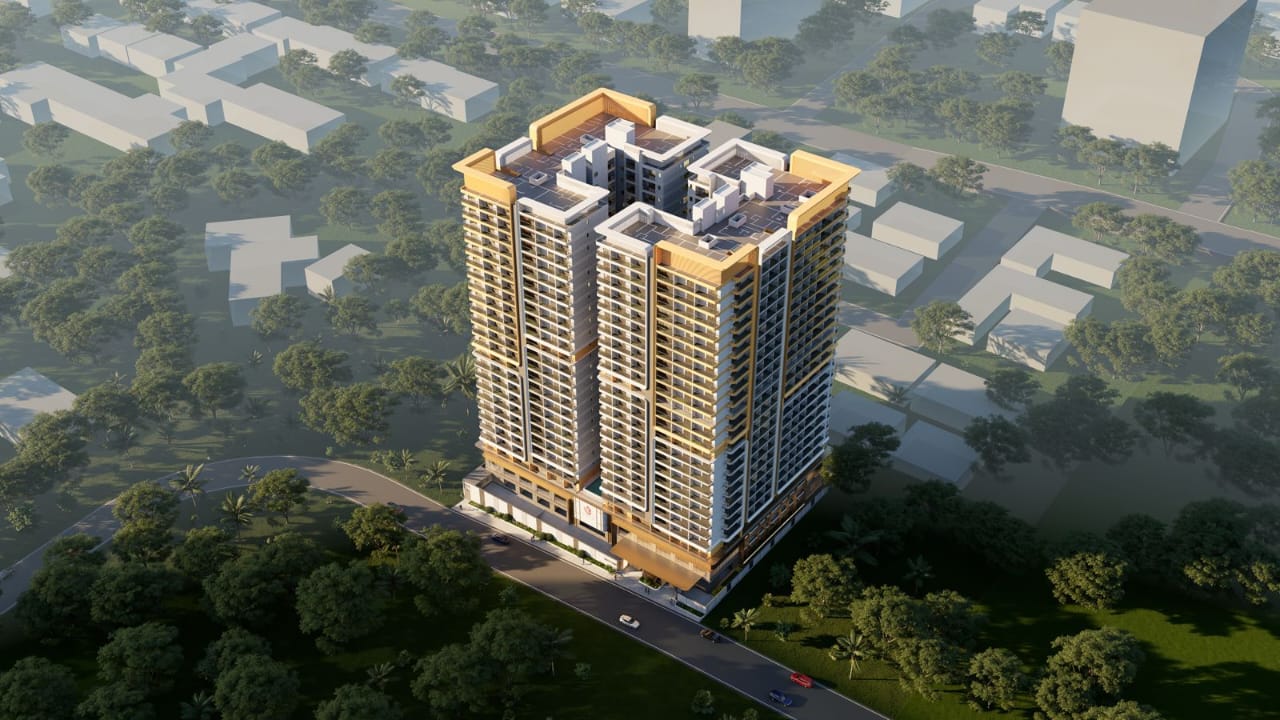
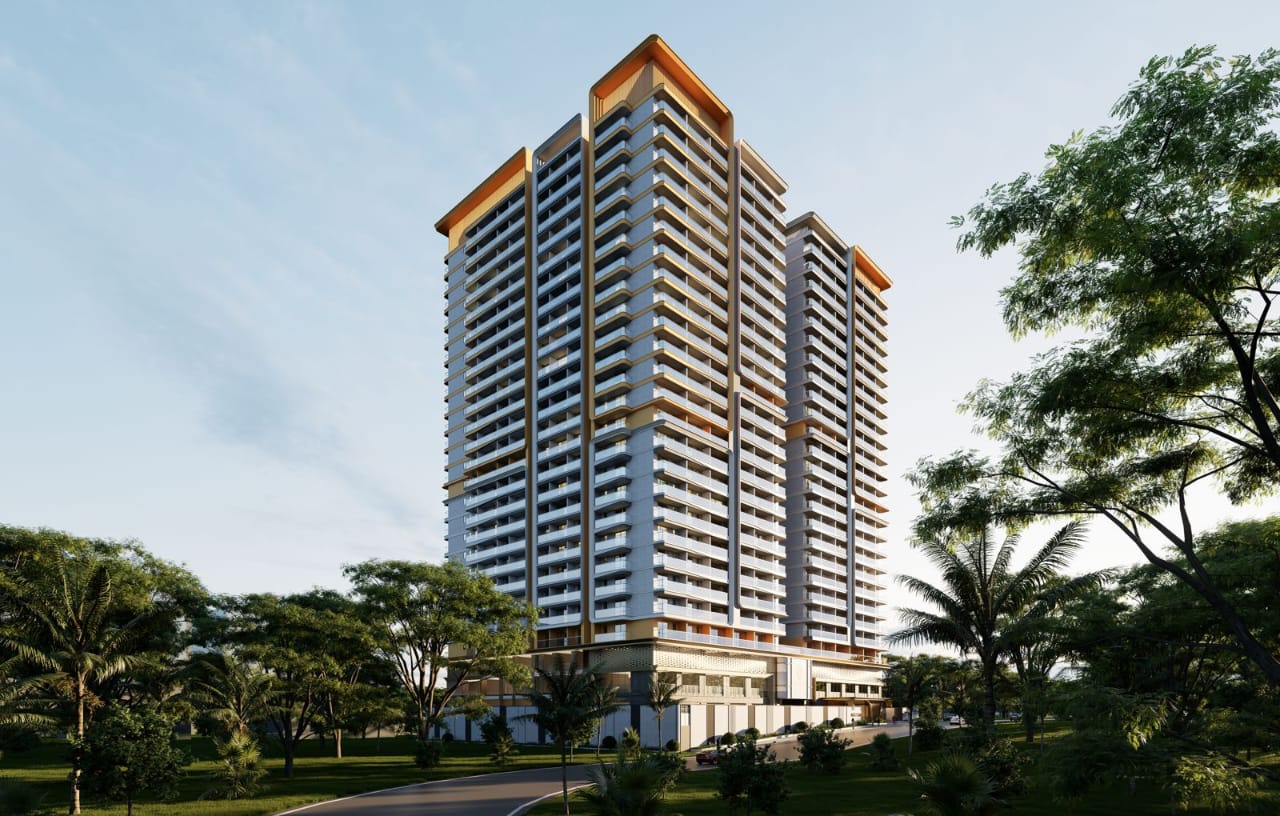
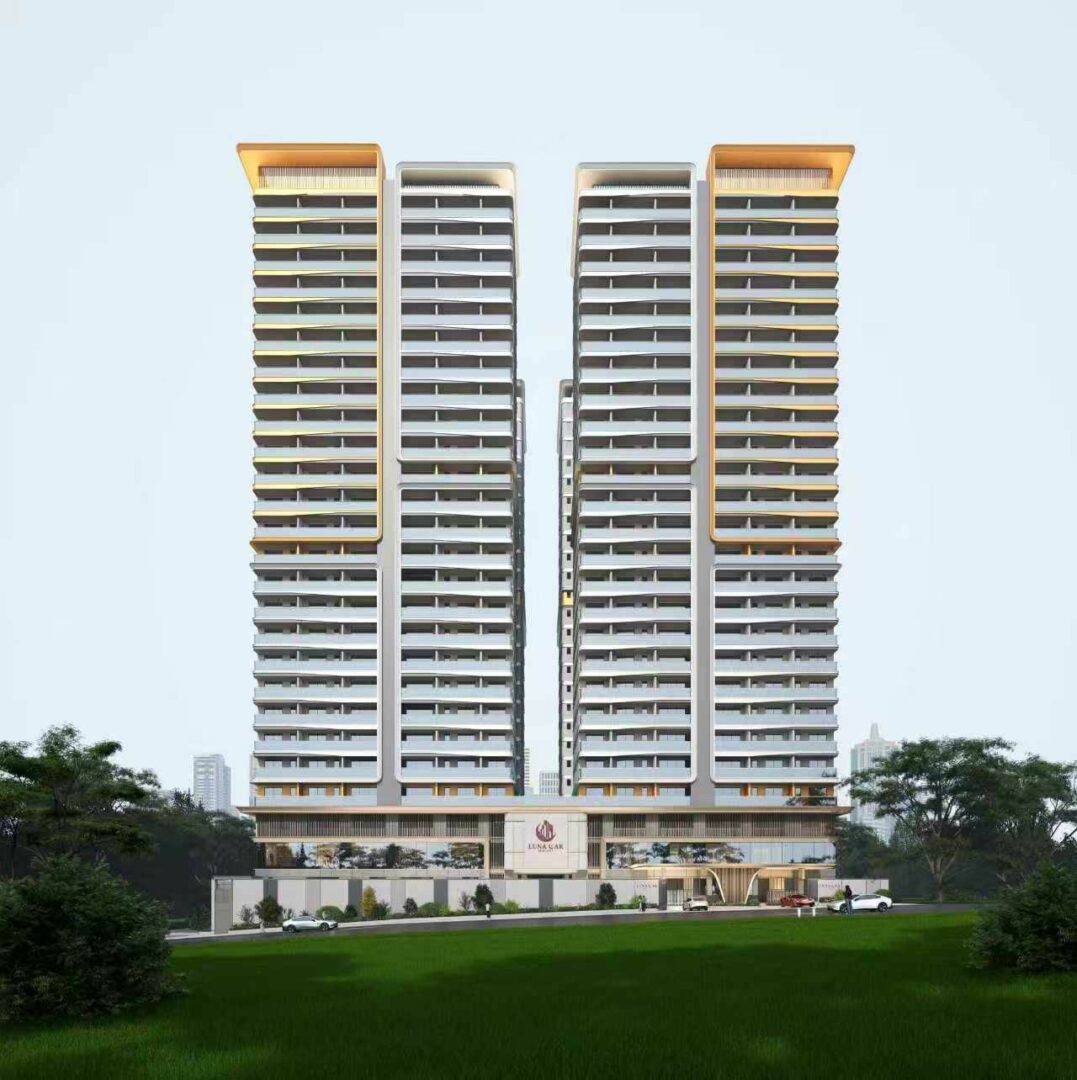






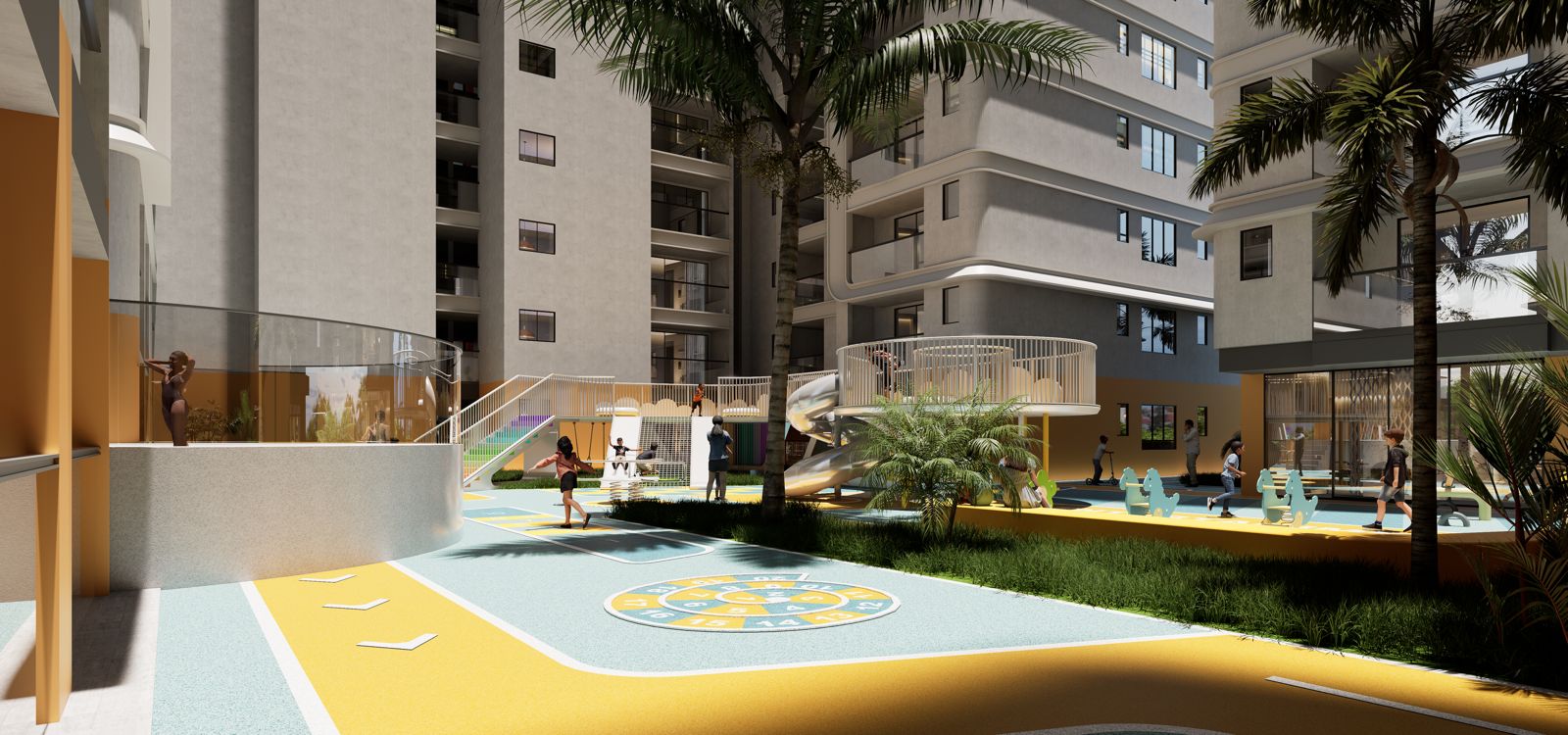
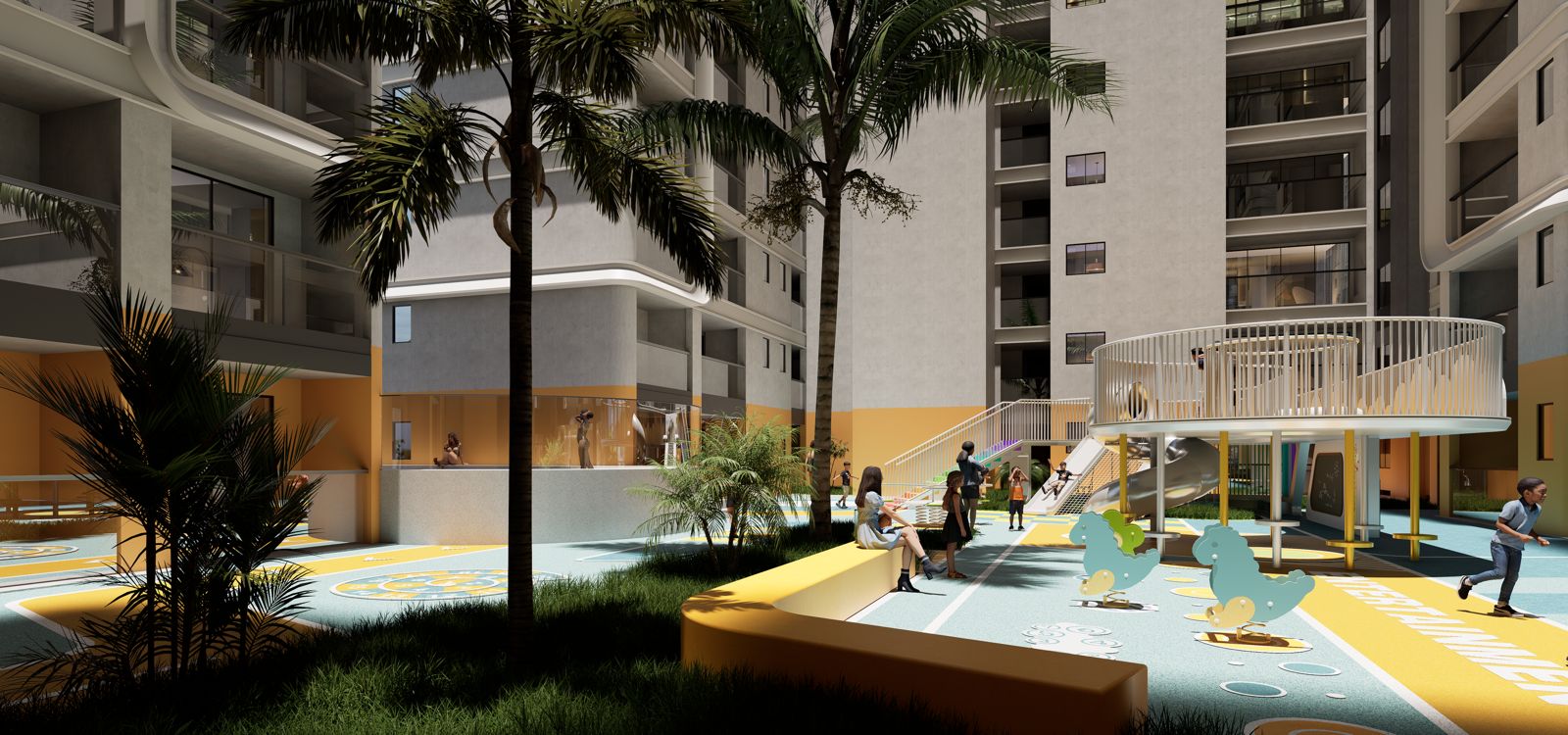
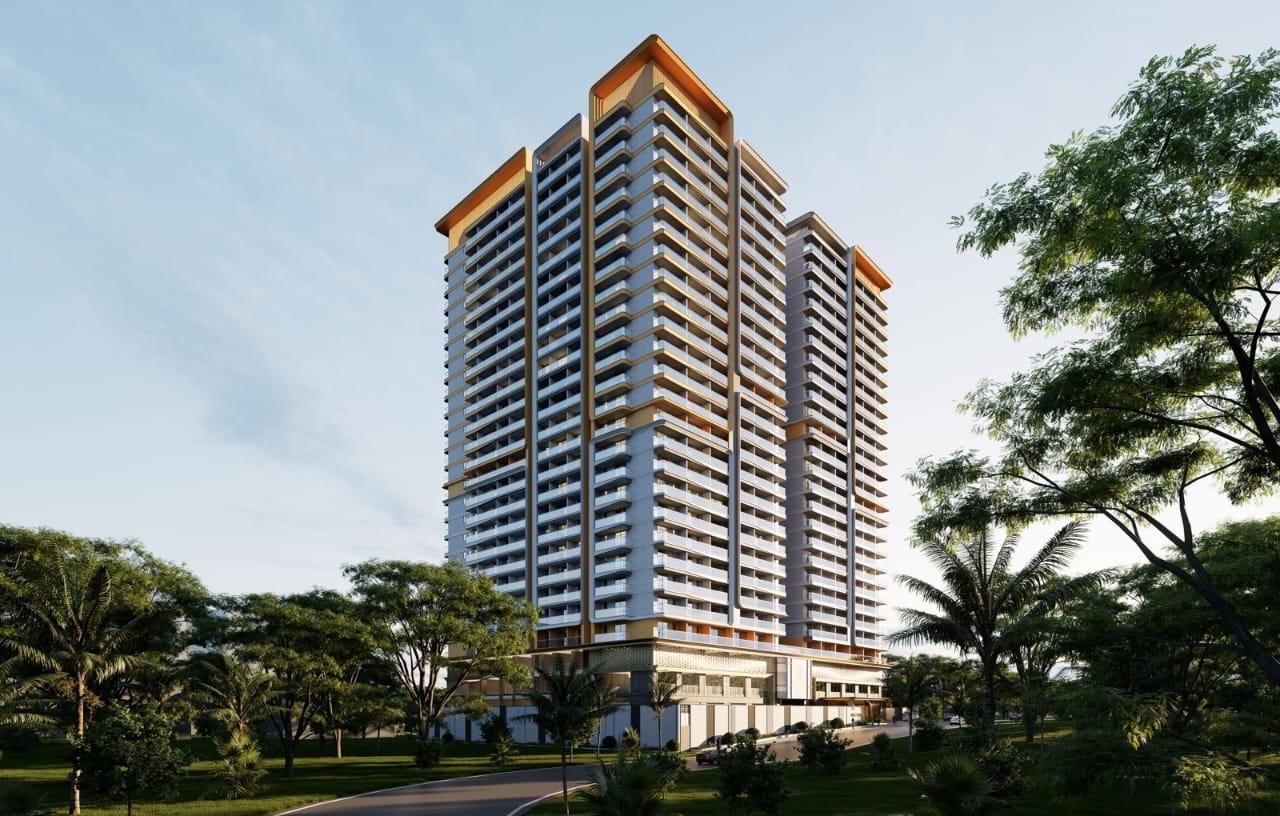
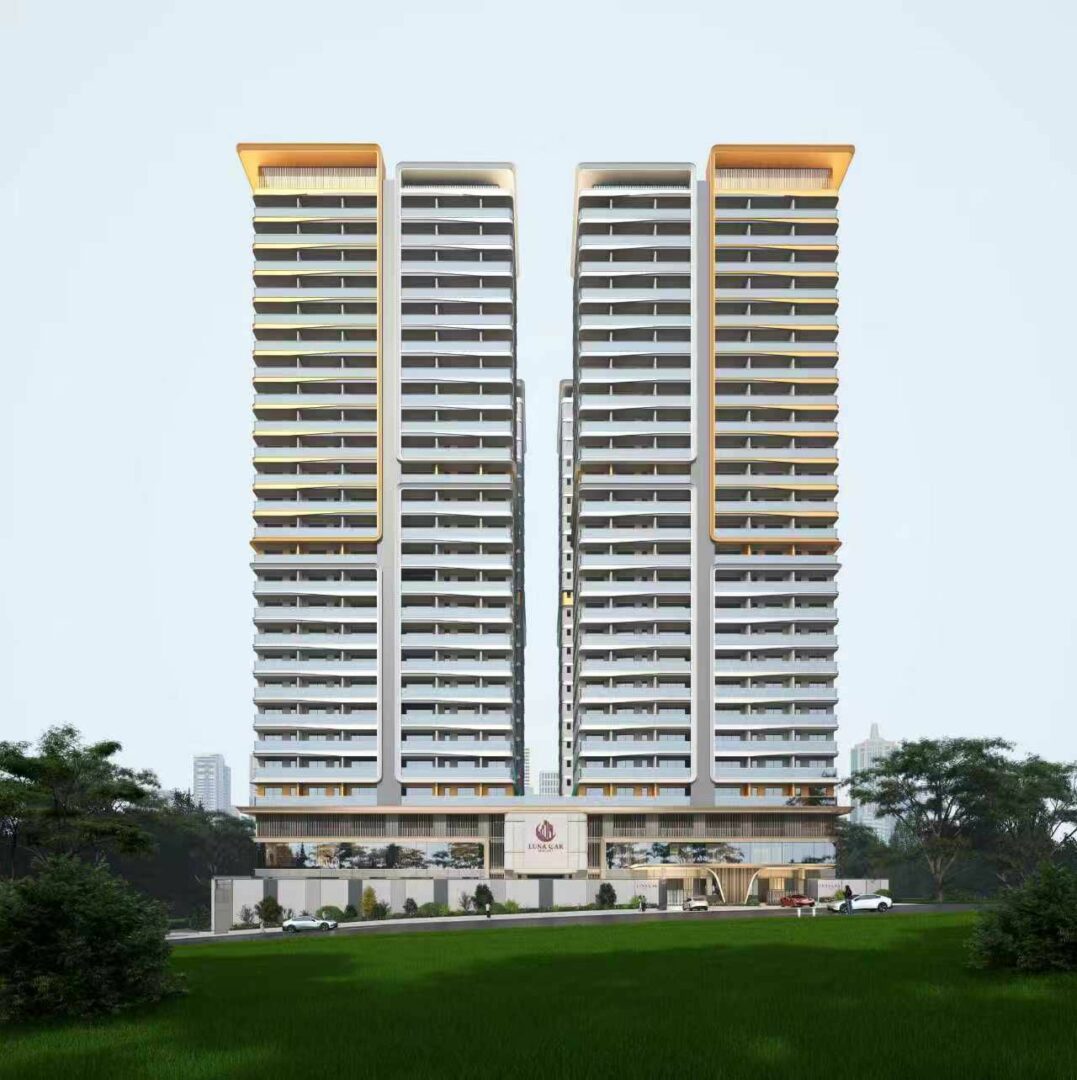
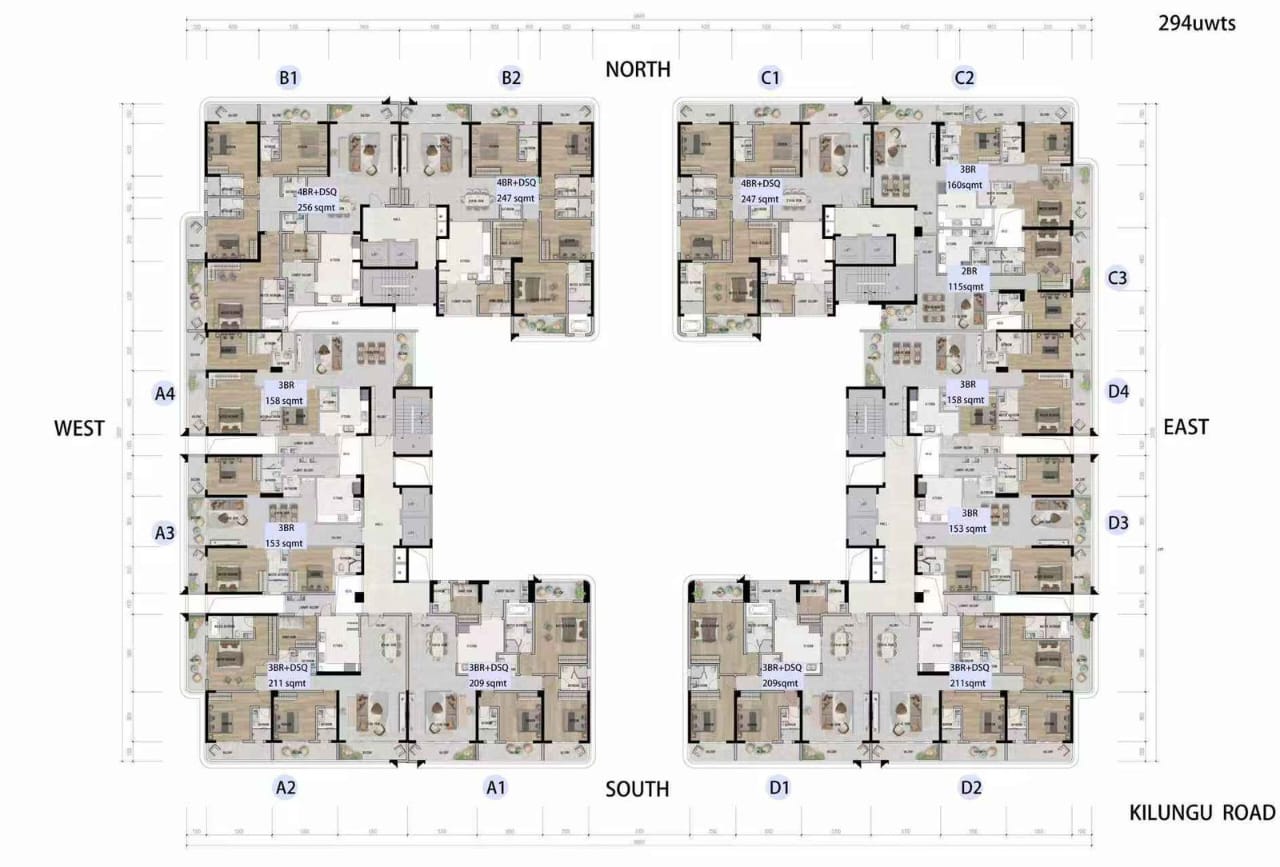



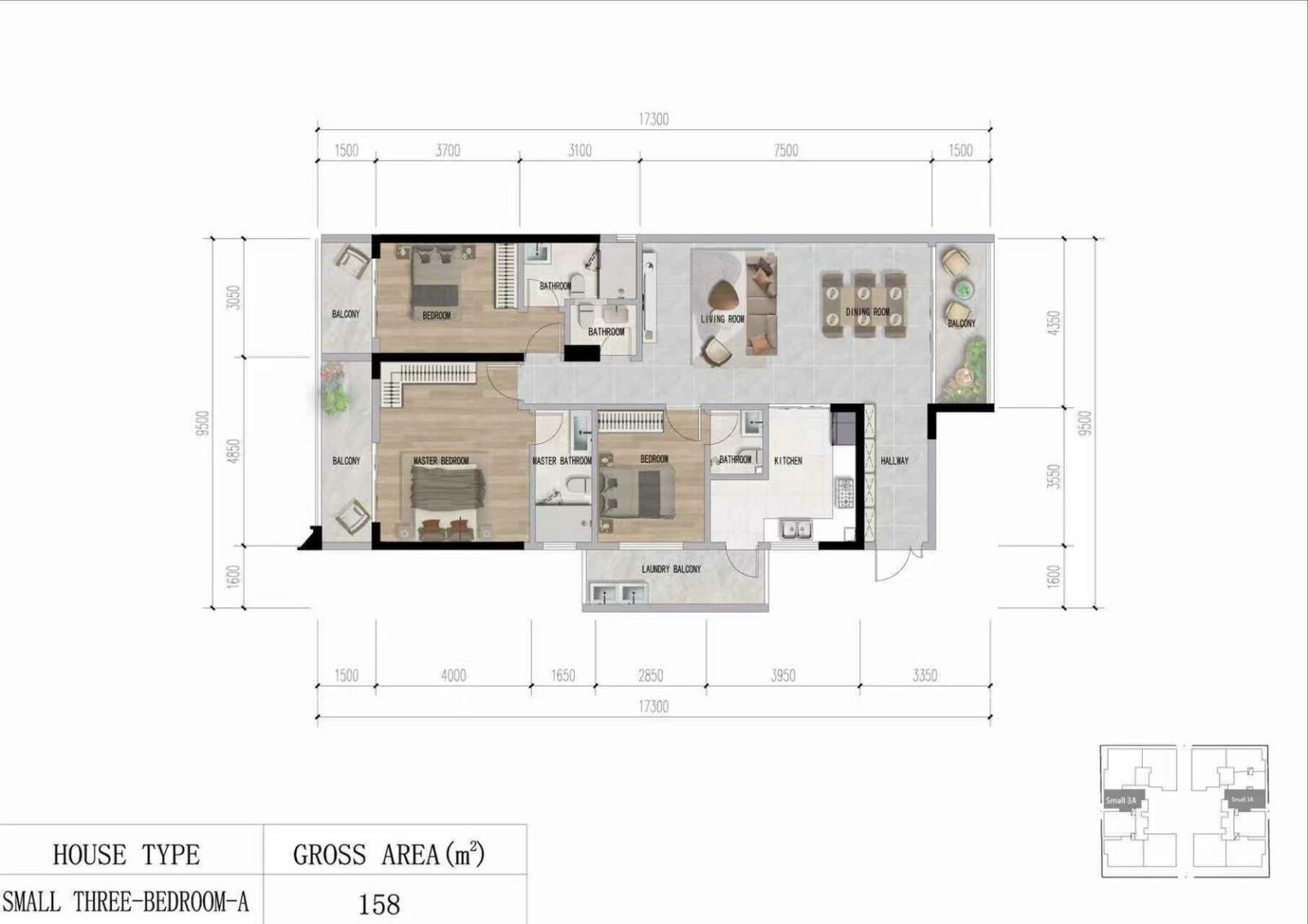
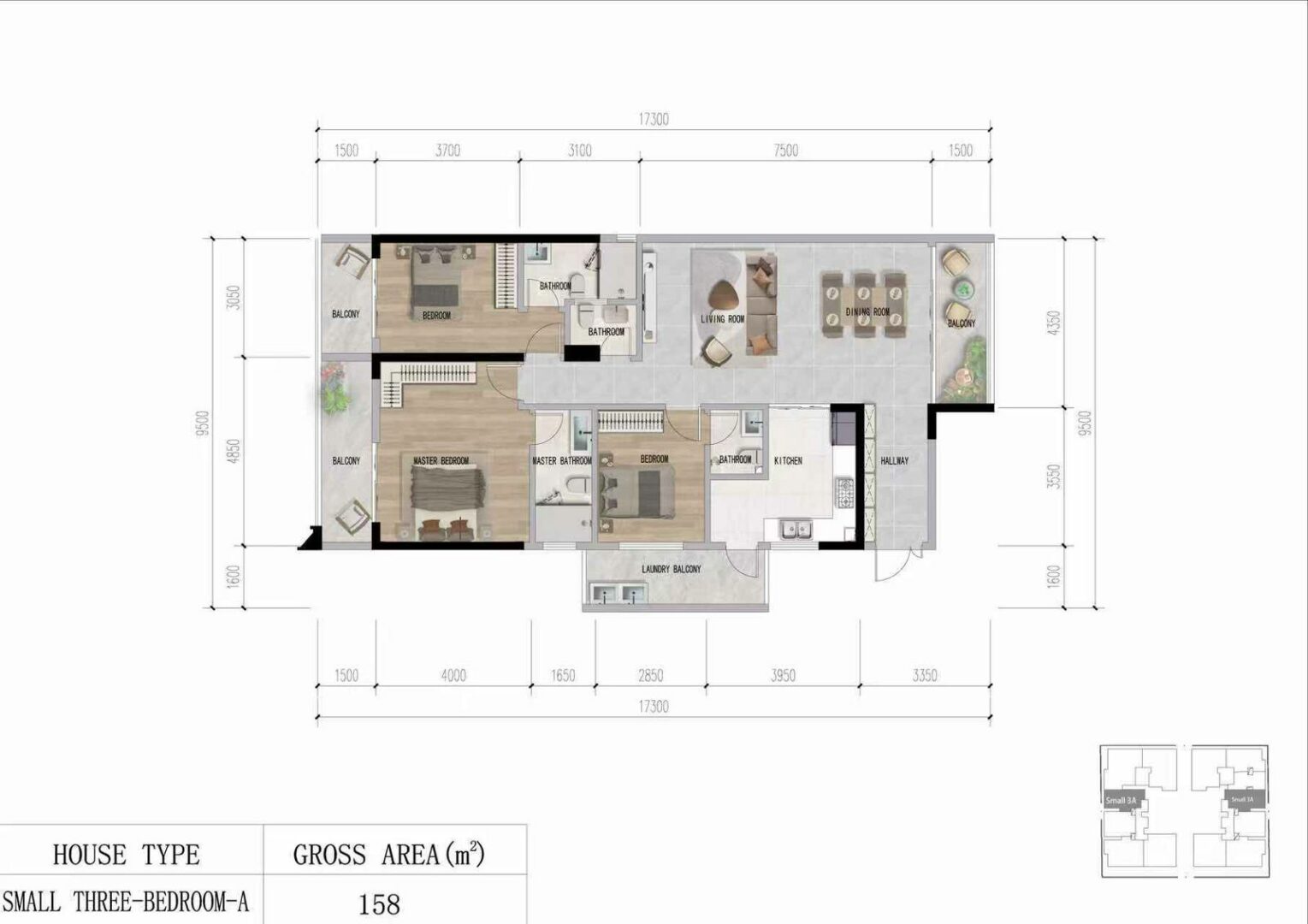



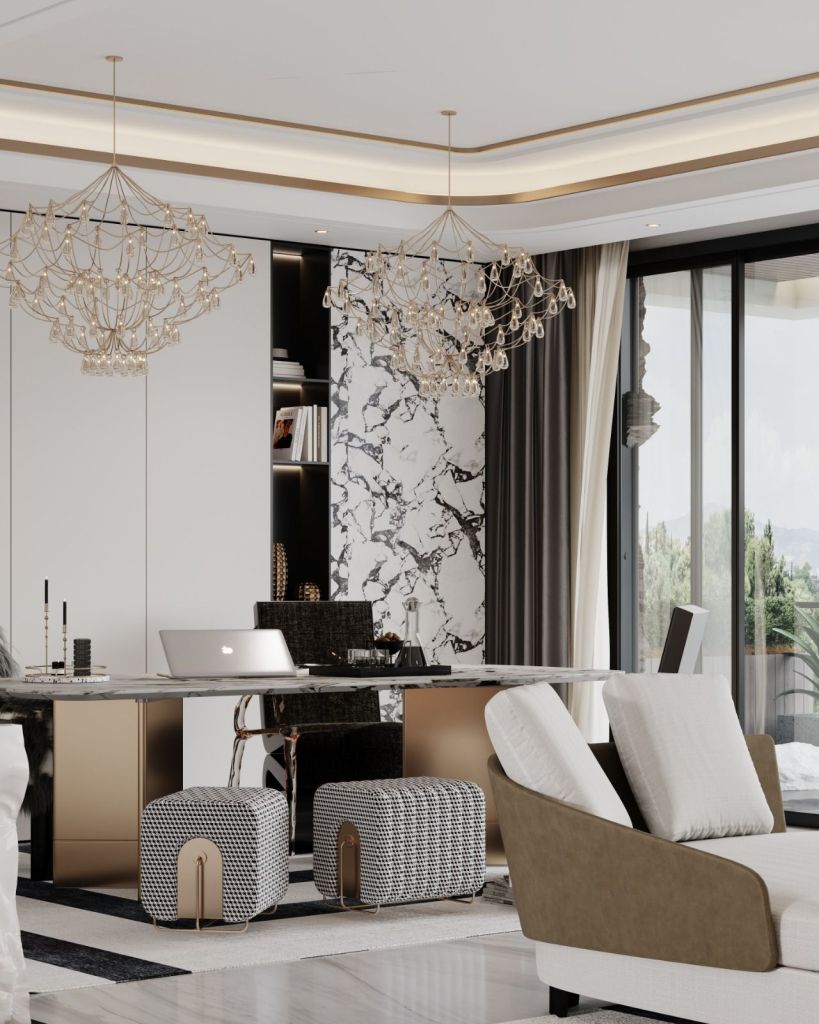




Luna Oak Residency: 2, 3 & 4 Bed…
Figures are current listing ranges, not guarantees — always confirm directly with the developer before budgeting.
Westlands: The Highest-Velocity Launch Corridor
Westlands remains where the most off-plan capital is landing, thanks to the GTC district, Two Rivers spillover demand, and consistent expatriate and professional tenancy.
Zoa Samima Residence (Rhapta Road) — a 21-floor, 162-unit tower offering 1- to 4-bedroom layouts from 74 to 241 sqm, priced from roughly KES 11.5M for a one-bedroom up to KES 35.4M for a four-bedroom. The amenity list leans genuinely upscale for the corridor — infinity pool, cinema room, sauna and steam room — which positions it closer to the premium end of Westlands pricing than the corridor average. Completion is targeted for Q4 2027.
Butterfly Palace (Donyo Sabuk Avenue) — a boutique 75-unit scheme with only two apartments per floor, aimed squarely at buyers who want space and privacy over density: 2-bedroom units from KES 23M, up to 4-bedroom-plus-DSQ units from KES 53M. This is a materially different price bracket from most Westlands off-plan stock — worth knowing before you compare it head-to-head against a mass-market tower. Completion is expected July 2028.
What to weigh: Westlands’ biggest advantage — sheer volume of new launches — is also its biggest risk. More competing towers delivering in the same 2027–2028 window means more competition for the same tenant pool at handover. Price per square metre and the developer’s delivery track record matter more here than almost anywhere else in the city.
Kilimani & Kileleshwa: Volume, Value, and a Genuine Oversupply Signal
This remains the single busiest construction zone in the city by project count, spread across Lenana Road, Kindaruma Road, Chania Avenue, and Othaya Road.
Lido Gardens (Chania Avenue, Kilimani) — 200 units, 1- and 2-bedroom layouts from 60–68 sqm, priced from KES 6.3M. Construction started in 2025 with completion targeted for December 2027 — a fairly standard entry-level Kilimani play.
Lenana Springs Apartments (Lenana Road, Kilimani) — a larger 336-unit, 17-floor tower spanning 1- to 3-bedroom units from 62–132 sqm, priced from KES 6.5M for a one-bedroom to KES 14.5M for a three-bedroom. Completion is set for December 2028 — a longer runway than most competing Kilimani launches, worth factoring into any capital-appreciation timeline.
What to weigh: Kilimani’s mid-tier apartment segment has genuinely softer vacancy in parts than it did five years ago — this isn’t a reason to avoid the area, but it is a reason to pick the specific street and developer carefully rather than buying on the neighbourhood name alone. Kileleshwa, immediately north, has generally delivered steadier if slower appreciation (roughly 4–6% annually versus Kilimani’s more volatile 5–7%) precisely because less speculative stock has landed there.
Riverside: The Diplomatic-Adjacent Premium Play
Riverside Drive sits between Westlands and the CBD, benefiting from proximity to the German Embassy and the wider Gigiri diplomatic corridor — which shapes its tenant profile toward embassy staff, NGO professionals, and long-stay expatriates.
Riverside Times (Riverside Drive) — 200 units of 1- and 2-bedroom apartments from 63–108 sqm, priced from KES 6.9M. Construction is scheduled to begin in 2026 with completion in 2028 — meaning this is an earlier-stage entry than most projects in this guide, with the pricing advantage and the longer wait that implies.
Seasons Riverside (Riverside Drive) — a more expansive scheme offering 1-bedroom units through 4-bedroom duplexes with a DSQ, priced from KES 8.8M up to KES 26.6M, with a resort-style amenity package (jacuzzi, yoga studio, co-working lounge). Completion is targeted for August 2028.
What to weigh: Riverside commands some of the strongest 1-bedroom rents in this guide (KES 90k–130k), on par with Westlands, because diplomatic and NGO tenants are less rate-sensitive than the general rental market. That premium rent is the trade-off for premium entry pricing — this corridor rewards patient capital more than quick flips.
Parklands: The Value Entry Point Next Door to Westlands
Parklands offers genuine Westlands-adjacent convenience — walking distance in places to Sarit Centre and Aga Khan University Hospital — at a meaningful discount to Westlands pricing itself.
East Vista Residence (Prof. Wangari Maathai Road) — a substantial 440-unit, 22-floor development with 1- and 2-bedroom units from 60–105 sqm, priced from KES 6.6M, including smart-home features. Completion is targeted for December 2028.
What to weigh: Parklands’ appeal is straightforward — Westlands-adjacent lifestyle without Westlands-level pricing — but it also means the corridor’s fortunes are tied closely to how much new supply lands in Westlands itself. If Westlands oversupplies, Parklands’ relative-value pitch weakens too.
Riruta & Naivasha Road: Nairobi’s Largest Master-Planned Off-Plan Community
KEZA Riruta (off Naivasha Road) — developed by Mi Vida Homes, this is the largest single project in this guide by unit count: roughly 1,100 apartments across 7.5 acres, phased through 2027, spanning studios from 23.5 sqm at KES 2.7M through to 3-bedroom units at KES 8.5M. Construction began in 2023, meaning parts of the development are considerably further along than most projects profiled here.
Kasarani / Mirema: The Affordability Corridor
Royal Mirema One (Mirema Drive, Kasarani) — 345 units across 15 floors, studio and one-bedroom only, from 31–70 sqm, priced from KES 2.5M. Construction started 2025, targeting 2027 completion. This sits at the most accessible price point in this entire guide, aimed squarely at first-time buyers and investors chasing yield over prestige.
What to weigh: Lower entry prices generally correlate with lower absolute rents, but gross yields on studio and one-bedroom stock in this bracket can be competitive precisely because acquisition cost is so low — worth running your own numbers rather than assuming “cheaper” means “worse investment.”
Running the Numbers: A Realistic Yield Example
Take a Kilimani one-bedroom at KES 6.5M (Lenana Springs’ entry price), renting at a market-typical KES 70,000/month:
- Headline gross yield: KES 840,000/year ÷ KES 6.5M ≈ 12.9%
- Realistic net yield, after a conservative first-year occupancy assumption (9–10 months while the building establishes itself), service charges, and management fees, typically lands closer to 6–8% — still a solid outcome by Nairobi standards, but meaningfully below the headline number.
Run this same math on any project in this guide before you buy. A developer’s brochure will always show you the gross figure; your actual return depends on the net one.
Before You Commit: A Due-Diligence Checklist
- NCA registration — confirm both the developer and the specific project are registered with the National Construction Authority.
- Title verification on Ardhisasa — don’t rely solely on documents supplied by the developer or agent.
- Completed track record — ask for named, visitable projects the developer has actually finished and handed over, not just “successful projects” as a claim.
- Escrow-backed payments — your instalments should go into an account tied to construction milestones, not a general company account.
- Realistic timeline cross-check — compare the stated completion date against how the same developer’s past projects actually performed versus their original promises. Roughly 20–30% of off-plan developments in Kenya have historically faced significant delays, mostly from financing or regulatory holdups — so a stated date is a starting assumption, not a guarantee.
- Site visit — construction progress (or its absence) tells you more in ten minutes on-site than any brochure will.
Frequently Asked Questions
Which Nairobi corridor offers the best off-plan value right now? There’s no single answer — it depends on your goal. Kasarani/Mirema and Riruta offer the lowest entry prices and strongest yield-per-shilling; Kilimani and Parklands offer a balance of price and centrality; Westlands and Riverside command premium rents that suit patient, expat-tenant-focused investors.
Is Kilimani oversupplied? Parts of the mid-tier apartment segment have softer vacancy than in previous years. That’s a reason to be selective about street and developer within Kilimani, not necessarily a reason to avoid the area altogether — Kileleshwa immediately north has generally seen steadier absorption.
How long do off-plan projects in Nairobi typically take to complete? Most projects in this guide target 18 months to just over 3 years from construction start, though completion dates should be treated as developer estimates. Confirm progress against milestones rather than relying solely on the original quoted date.
What’s a realistic rental yield on an off-plan Nairobi apartment? Headline gross yields quoted by developers (often 10%+) are rarely what you’ll net in practice. Budget for 6–9% net once occupancy ramp-up, service charges, and management costs are factored in — still competitive by regional standards.
The Bottom Line
Nairobi’s off-plan market genuinely does offer strong entry points across a wide range of budgets — from KES 2.5M studios in Kasarani to KES 53M villas-in-the-sky in Westlands — but “off-plan” is not itself a strategy. The corridor, the specific developer’s delivery record, and your own realistic yield math are what actually determine whether a purchase works for you.
If you’d like a shortlist narrowed to your specific budget, timeline, and goal — long-term rental income, short-let yield, or owner-occupation — that’s a conversation worth having before you reserve a unit, not after.
Explore Westlands on Block
- Westlands neighbourhood guide & live listings — prices, streets, off-plan towers and the investment case, with live listings
- Riverside neighbourhood guide & live listings — the diplomatic corridor: serviced residences, off-plan towers and live listings
- Browse every live listing in Westlands — for sale and to rent, updated daily
- Off-plan projects in Westlands — vetted developments with staged payment plans
- Off-plan projects for sale in Nairobi — 180+ vetted projects with staged payment plans
- Get a free consultation — buying, renting, investing or managing — advised block by block
- Read next: Off-Plan Apartments in Nairobi 2026: The Complete Buying Guide and 5 Developments Worth Your Attention
- Read next: Buying Off-Plan Property in Kenya: The Complete 2026 Guide to Buying Smart, Safe, and at the Right Price
- Read next: Buying Off-Plan in Kenya (2026): Every Red Flag, Legal Risk, and Protection You Need to Know