

Where Parklands sits
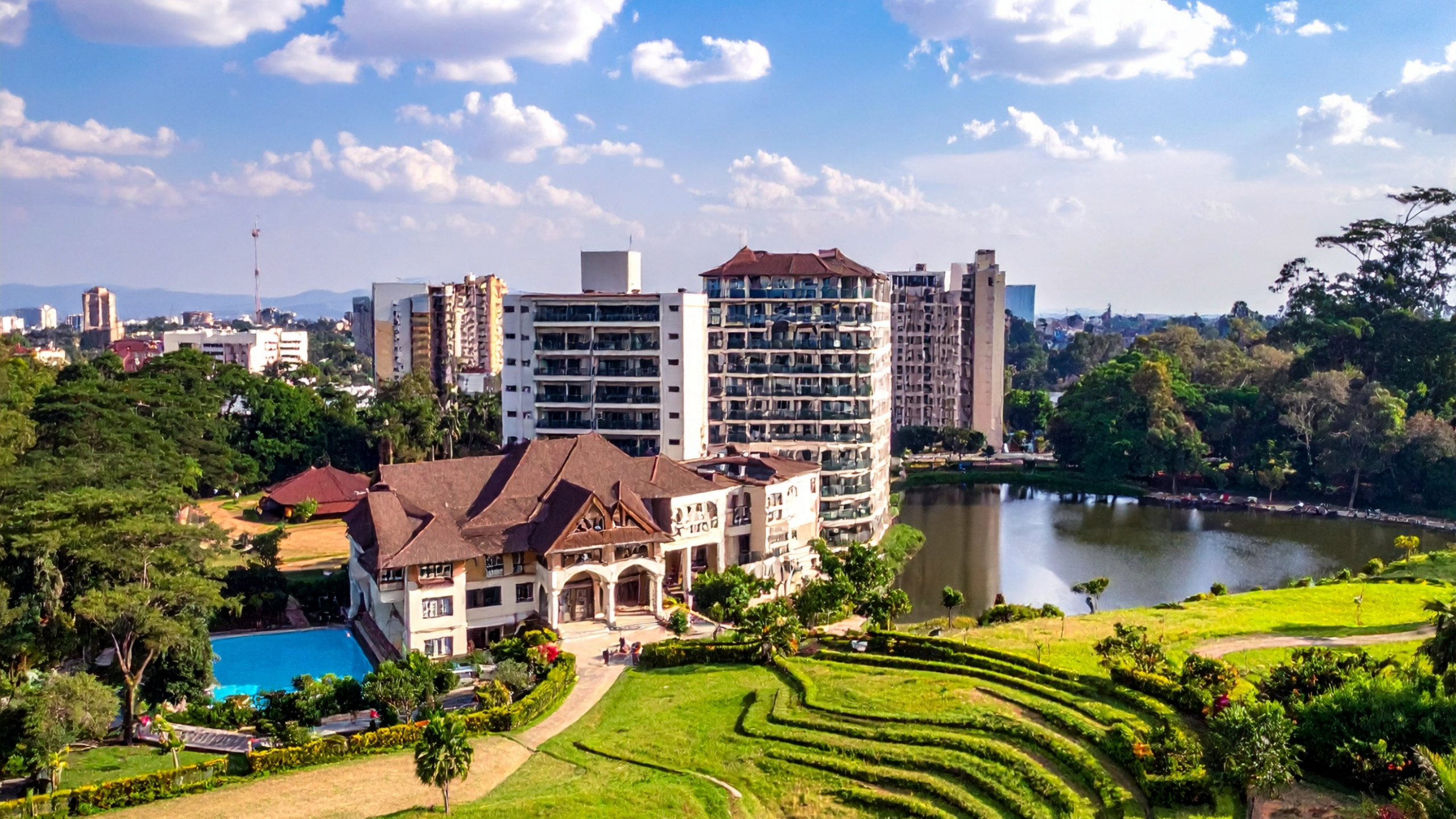
Parklands occupies the grid directly north of Nairobi’s central business district, bounded loosely by Limuru Road, Ojijo Road and Parklands Road, with City Park at its centre and Westlands along its western edge. The numbered avenues — First to Sixth Parklands Avenue — run through it; Prof. Wangari Maathai Road (the old Forest Road) and the Sixth Avenue end touch Karura Forest.
Position is the pitch. From most of the suburb you can reach Sarit Centre, Westgate, the Aga Khan University Hospital and the Expressway interchange in minutes, and the CBD in ten to twenty depending on the hour. Buyers compare Parklands with Westlands constantly because the two share a boundary, a commercial ecosystem and the same hospitals; the difference is price and pace.
From garden suburb to vertical city
Parklands was developed in the 1940s as a low-density residential area — spacious plots, mature trees, a garden-suburb feel. From the 1960s it became home to one of Nairobi’s largest communities of Asian heritage, and its temples, mosques, sports clubs and food culture date from that era.
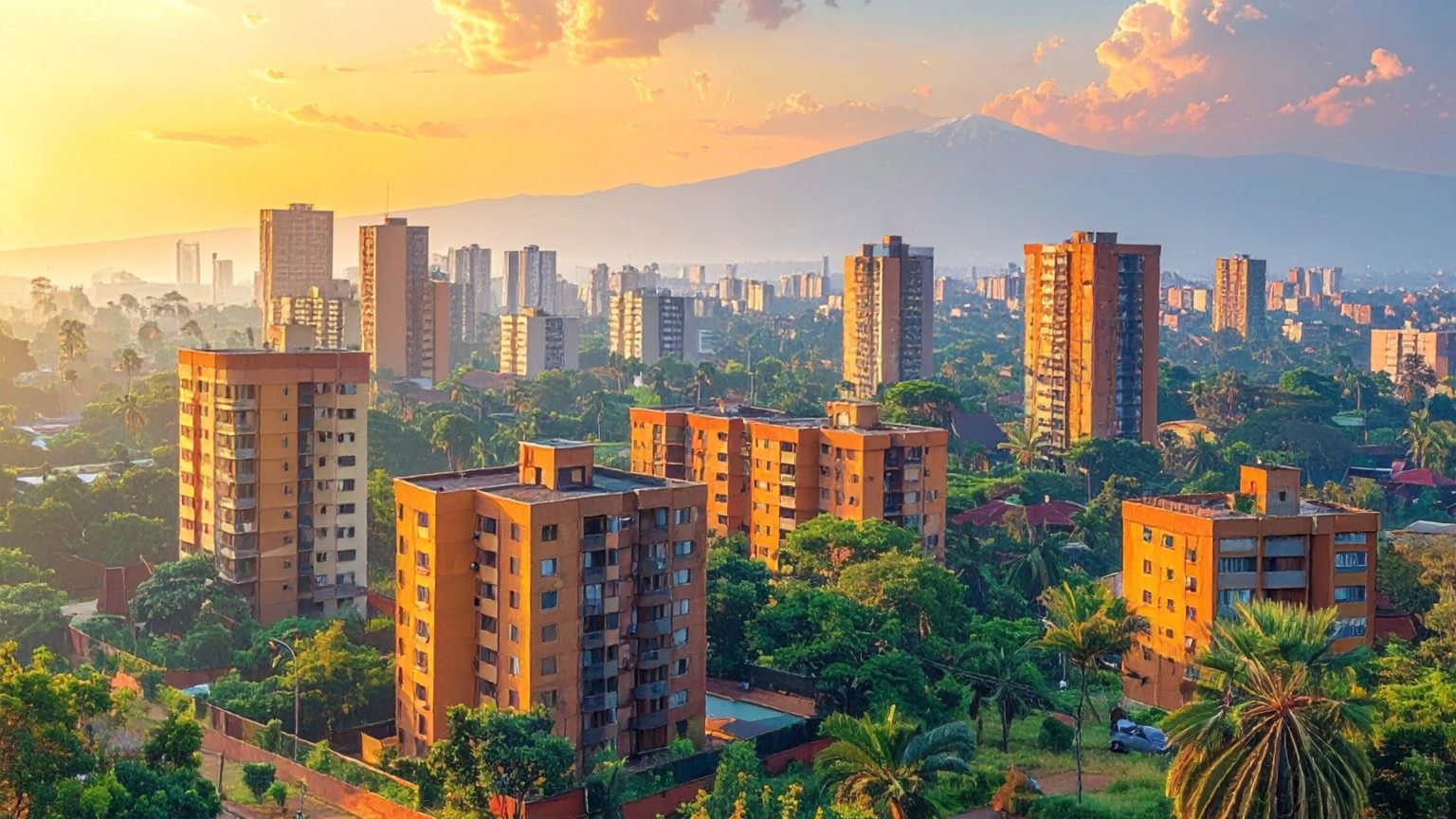
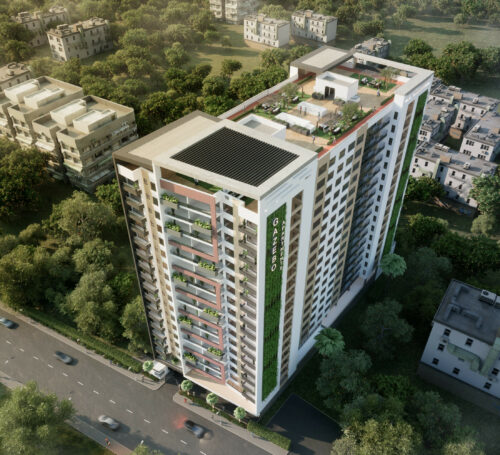
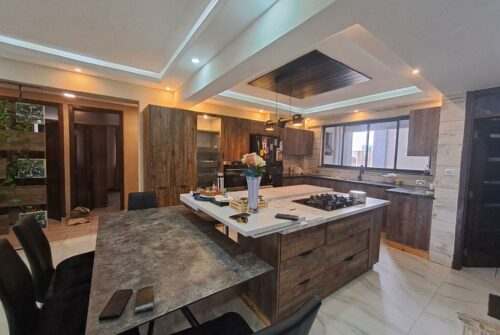
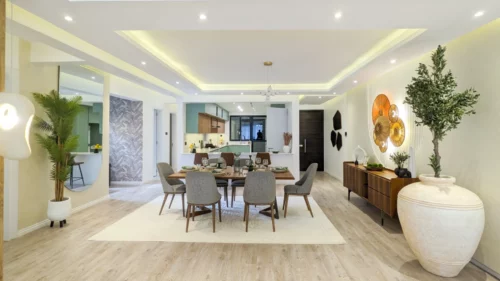
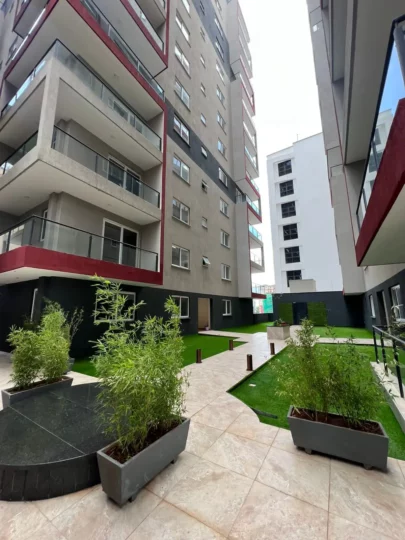
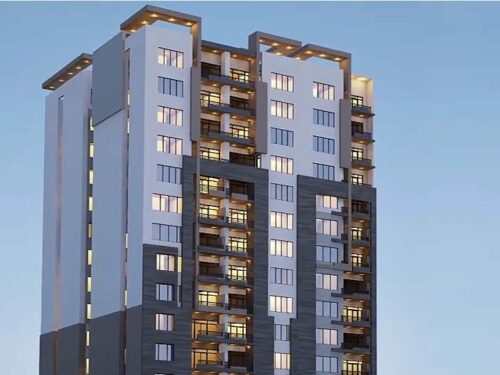
The last decade has been about density. Bungalows and low-rise blocks are being replaced by towers of ten to twenty-four storeys, fastest along First, Second and Third Avenues and near the Museum Hill and Ngara boundary. That wave has brought lifts, serviced units and modern amenities to a suburb that had very little of either. It has also placed real strain on roads, drainage and parking that were laid out for a much smaller population.
Avenue by avenue
First and Second Parklands Avenue are the most built-up stretch — closest to Westlands and the Aga Khan precinct, with the newest towers, the highest prices and the heaviest traffic. Third and Fourth Avenue are calmer and more residential, a mix of older low-rise blocks and newer mid-size developments; a sweet spot for buyers who want space without First Avenue density.
Fifth and Sixth Avenue and the Highridge fringe are quieter, leafier and generally better value per square metre, with City Park and Karura Forest close — this is where Sitara Residences, Asili Hills and the Highridge stock sit. The Ngara-facing edge west of Murang’a Road is more commercial in character, better suited to mixed-use or investment purchases than a family home.
What it costs
On live Block.ke listings in August 2026: off-plan one-beds from about KES 6.6M at East Vista Residence on Prof. Wangari Maathai Road, with two-beds from KES 11.2M; two-beds from KES 10M at Khalif Homes on 2nd Avenue and from KES 13M at Sitara Residences overlooking Karura on 6th Avenue; family four-bed + DSQ apartments from KES 17.5M at Khalif Homes; completed three-beds at Gauri Heights on Parklands Road and furnished three-beds at Mahalaxmi around KES 25M; and at the top, 3408 Belva’s 2,510 sq ft three-beds from KES 30.5M and five-bed duplexes at KES 42.8M.
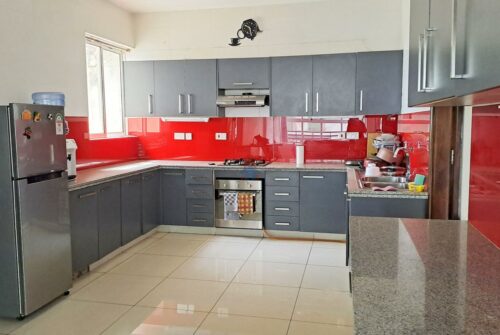
To rent, three-bed + DSQ apartments list from KES 140,000 a month at Iregi Square, from KES 150,000 at The Colosseum on City Park Drive and at KES 200,000 at Grandview Gardens off 6th Avenue. These are asking prices in a redeveloping market; read the full Parklands price guide or request a valuation for a specific home.
Daily life
Diamond Plaza remains the commercial heart — shopping complex, food court and gathering point in one — with Highridge Shopping Centre and SkyMall for the weekly run and Sarit Centre and Westgate a short drive into Westlands. The food scene reflects the suburb’s roots: some of Nairobi’s best Indian and Chinese dining, from food-court plates to proper restaurants.
City Park gives the suburb a green heart for a jog or a slow Sunday; the Sixth Avenue end has Karura Forest on its shoulder. Weekends bring a flea market of local designers and artisans, yoga studios and indoor climbing at Diamond Plaza. The honest cost is traffic: the avenues were not built for the towers now standing on them.
Schools and healthcare
Education is a genuine strength at every stage: Parklands Primary, Visa Oshwal Primary, Premier Academy and Aga Khan Academy; Oshwal Academy, Parklands Arya Girls’ and Highridge Secondary; and, for higher education, the University of Nairobi School of Law, Aga Khan University’s nursing school and Kenyatta University’s Parklands campus.
Healthcare is the suburb’s signature. Aga Khan University Hospital, one of East Africa’s most respected private hospitals, sits inside Parklands alongside M.P. Shah Hospital, Avenue Hospital and the Brain, Spine and Rehabilitation Hospital. For families, retirees and anyone who values specialist care within minutes, this is the reason to live here.
Getting around
Limuru Road, Ojijo Road and Waiyaki Way connect the suburb to the city, with the Nairobi Expressway reachable at the Westlands interchange for JKIA and the Mombasa Road corridor. Matatus, buses and ride-hailing are constant on the main roads. Peak-hour congestion on Limuru Road and the internal avenues is real and intensified by construction — factor commute times into the decision rather than reading proximity off a map.
Buying in Parklands: what to check
The checklist is avenue-first, building-second:
- Drainage and elevation: some lower-lying sections have flooded in heavy rains as density outran infrastructure. Ask for the specific building’s drainage history — it varies block by block.
- The building: backup power, borehole, dedicated parking and lift redundancy — these separate the towers that let easily from the ones that do not.
- The developer: off-plan is abundant here; ask for a completed, occupied project before the show unit.
- The avenue: walk it at 7.30am and 6pm; First and Second Avenue traffic is a different life from Fifth and Sixth.
- Service charge and sinking fund: newer amenity-heavy towers can carry high monthly charges behind a modest headline price.
- Title and process: full search through your advocate, nothing on trust — including us.
Buying from abroad? A valid passport or Alien ID is enough to start; we handle KRA PIN registration, the 4% stamp duty process and the purchase end to end — video viewings, honest condition notes, advocate coordination. See how we handle diaspora purchases.
Renting and the investment case
Parklands has a deep tenant pool that Westlands pricing pushes its way: hospital staff and doctors, families on the school run, professionals who want Westlands access at a lower rent, and a steady diaspora demand for well-served, community-rich addresses. Land supply is constrained — this is a compact, largely built-out grid, not an expanding frontier — which supports long-term demand for well-located, well-built units.
Our verdict: Parklands is the value play on Westlands’ shoulder. Buy the avenue and the building before the postcode, check drainage twice, and weight the hospital and school proximity that tenants actually pay for. Talk to us — we will tell you which towers we would put our own money into, and which we would not.