

How Much House Can You Afford in Nairobi in 2026? A Complete Guide to Property Prices, Mortgages and Buying Within Your Budget
Buying a home in Nairobi is a significant financial milestone. Whether you are a first-time buyer, a growing family looking for more space or an investor exploring the property market, understanding how much house you can comfortably afford is the first step towards making a sound investment.
With Nairobi offering everything from modern apartments in Kilimani to spacious family homes in Lavington and luxury villas in Karen, the options are extensive. However, property prices, mortgage rates, your income and long-term financial commitments all play an important role in determining what is within reach.
In 2026, buying a home is not simply about having enough money for a deposit or qualifying for a mortgage. It is about finding a property that aligns with your lifestyle, financial position and future aspirations without placing unnecessary pressure on your finances.
So, how much house can you afford in Nairobi in 2026? The answer depends on several factors, including your monthly income, savings, borrowing capacity, preferred neighbourhood and the additional costs associated with homeownership.
This guide explores Nairobi’s property market, estimated home prices, mortgage repayments, neighbourhood options and practical steps to help you make a well-informed decision.
Understanding Nairobi’s Property Market in 2026
Nairobi’s real estate market continues to offer opportunities for both homeowners and property investors. However, prices vary considerably depending on location, property type, construction quality, accessibility and available amenities.
According to the Kenya National Bureau of Statistics (KNBS), Kenya’s Residential Property Price Index recorded an annual increase of 4.8% in the first quarter of 2026. The performance differed by property type, with standalone houses recording an 8.5% annual increase, while apartments recorded a 3% decline over the same period.
These figures highlight an important aspect of the market: not all residential properties experience the same price movements.
For prospective buyers, this means that affordability should be assessed against the particular type of property and neighbourhood they are interested in, rather than a single national average.
Recent market listings also illustrate the variation in asking prices. Market-wide figures reported for Nairobi in the third quarter of 2026 place the median asking price for apartments at approximately KSh 13 million, while the median for houses is significantly higher.
It is important to distinguish asking prices from actual transaction prices. The final amount paid may differ depending on negotiations, property condition, demand and the seller’s circumstances.
For buyers, comparing similar properties in the same neighbourhood and reviewing recent valuations can provide a more realistic understanding of market value.
How Much House Can You Afford Based on Your Income?
Your monthly income is one of the most important factors when determining how much house you can afford. However, your salary alone does not determine your purchasing power.
Your existing financial commitments, savings, credit history, deposit and ability to manage mortgage repayments also influence how much you can comfortably spend.
A useful starting point is to work out how much of your monthly take-home income can reasonably go towards housing costs.
As a general budgeting guideline, you may consider keeping your monthly housing repayment around 25% to 30% of your net income. This is a personal affordability benchmark rather than a fixed lending rule. Buyers with significant financial commitments may need a lower proportion, while those with fewer obligations may have more flexibility.
Illustrative home affordability by monthly income
The following estimates use a hypothetical mortgage interest rate of 13.5% per year, a repayment term of 20 years and a deposit of 20%. The figures are illustrative, not actual mortgage offers, and exclude other purchase and ownership costs.
| Monthly net income | Suggested monthly mortgage budget (30%) | Approximate mortgage amount | Approximate property value with 20% deposit |
|---|---|---|---|
| KSh 100,000 | KSh 30,000 | KSh 2.4M | KSh 3M |
| KSh 150,000 | KSh 45,000 | KSh 3.7M | KSh 4.6M |
| KSh 200,000 | KSh 60,000 | KSh 4.9M | KSh 6.1M |
| KSh 250,000 | KSh 75,000 | KSh 6.1M | KSh 7.6M |
| KSh 300,000 | KSh 90,000 | KSh 7.3M | KSh 9.1M |
| KSh 350,000 | KSh 105,000 | KSh 8.5M | KSh 10.6M |
| KSh 500,000 | KSh 150,000 | KSh 12.2M | KSh 15.3M |
These estimates demonstrate how monthly income can influence your potential property budget. They assume the full suggested repayment amount is available for the mortgage and that the buyer can provide the required deposit separately.
If you have other loans, school fees, dependants or significant household expenses, your actual mortgage budget may be lower. It is also important to remember that a bank’s maximum approved loan is not necessarily the amount you should borrow.
How Much Do Houses Cost in Nairobi in 2026?
Nairobi’s property market caters to a wide range of budgets, from entry-level apartments to high-end residences in established suburbs.
The type of property you can afford will depend on your budget, the neighbourhood you prefer and the features you consider essential.
The following are indicative asking-price ranges for selected property types and neighbourhoods. Individual listings may fall outside these ranges, and prices should be verified against currently available properties.
1. Affordable and entry-level neighbourhoods
For buyers working with a relatively modest budget, areas such as Embakasi, Kahawa West, Kasarani, Syokimau and parts of Ruaka may offer more accessible entry points into homeownership.
Indicative apartment prices include:
- Studios and smaller one-bedroom apartments: approximately KSh 2.5 million to KSh 4.5 million.
- One-bedroom apartments: approximately KSh 3.5 million to KSh 5.5 million.
- Two-bedroom apartments: approximately KSh 4.5 million to KSh 8 million, depending on location and development.
These neighbourhoods can appeal to first-time buyers, young professionals and investors looking for relatively affordable units.
Their appeal may include access to transport routes, shopping centres, schools and other essential amenities. However, buyers should carefully consider commuting time, road access, infrastructure and the quality of the specific development.
2. Mid-market neighbourhoods
Neighbourhoods such as South B, South C, Donholm, parts of Kilimani and Kileleshwa offer a variety of apartments that cater to buyers seeking a balance between accessibility, space and lifestyle.
Indicative asking-price ranges include:
- One-bedroom apartments: approximately KSh 4 million to KSh 9 million.
- Two-bedroom apartments: approximately KSh 6.5 million to KSh 14 million.
- Three-bedroom apartments: approximately KSh 8 million to KSh 22 million.
The exact price will depend on the property’s location, floor area, age, finishes, parking, security and shared amenities.
For buyers seeking a long-term residence, these neighbourhoods can offer a balance between everyday convenience and access to Nairobi’s commercial centres.
3. Premium neighbourhoods
For buyers with larger budgets, established residential areas such as Westlands, Lavington, Kilimani, Kileleshwa and Spring Valley offer premium apartments, spacious family homes and developments with high-end finishes.
Indicative apartment asking prices include:
- One-bedroom apartments: approximately KSh 5 million to KSh 10 million.
- Two-bedroom apartments: approximately KSh 9 million to KSh 18 million.
- Three-bedroom apartments: approximately KSh 14 million to KSh 30 million or more.
These neighbourhoods often appeal to buyers who value proximity to business districts, international schools, healthcare facilities, shopping malls, restaurants and lifestyle amenities.
Premium developments may also offer swimming pools, fully equipped gyms, landscaped gardens, concierge services, high-speed lifts and enhanced security.
However, a premium address should not be the only consideration. Buyers should assess whether the property offers genuine long-term value relative to its price and ongoing service charges.
4. Luxury homes and standalone houses
Buyers interested in larger family homes, townhouses and luxury villas may consider Karen, Runda, Muthaiga, Kitisuru, Nyari and other established residential areas.
Prices in these neighbourhoods vary widely depending on land size, architectural design, construction quality, security, location and the extent of landscaping.
Luxury houses can range from tens of millions of shillings to several hundred million shillings for exclusive properties.
These homes may offer:
- Spacious living and dining areas.
- Multiple en-suite bedrooms.
- Private gardens and outdoor entertainment spaces.
- Staff accommodation.
- Private parking and garages.
- Gated-community security.
- Premium finishes and smart-home features.
For this category, affordability involves more than the initial purchase price. Maintenance, security, landscaping, insurance and property management can contribute significantly to the cost of ownership.
How Mortgage Rates Affect Your Home Affordability
A mortgage can make homeownership more accessible by allowing you to spread the cost of a property over several years.
However, the interest rate and loan term directly affect the amount you pay each month and the total cost of the property over time.
The Central Bank of Kenya’s 2025 banking-sector report recorded an average mortgage interest rate of 13.5% for that year, with individual mortgage rates varying considerably between lenders.
Mortgage rates may be fixed or variable, depending on the product offered by the lender. Before committing, buyers should understand how their rate is calculated, whether it can change and how a change would affect their repayments.
Example: Buying a KSh 10 million property
Suppose you intend to purchase an apartment valued at KSh 10 million and have saved a 20% deposit.
- Property purchase price: KSh 10,000,000
- Deposit (20%): KSh 2,000,000
- Mortgage amount: KSh 8,000,000
- Illustrative annual interest rate: 13.5%
- Repayment period: 20 years
Your estimated monthly mortgage repayment would be approximately KSh 98,500, excluding insurance and other charges.
Over 20 years, the total mortgage repayments would amount to approximately KSh 23.6 million. This includes approximately KSh 15.6 million in interest, assuming the interest rate remains unchanged throughout the loan term.
This example demonstrates why buyers should consider both monthly affordability and the overall cost of borrowing.
A longer repayment period may reduce your monthly instalments, but it can significantly increase the total interest paid over the life of the loan.
Factors lenders consider when approving a mortgage
When assessing your mortgage application, financial institutions may consider:
- Your monthly income and employment stability.
- Your existing loans and financial obligations.
- Your credit history and repayment behaviour.
- Your deposit and the loan-to-value ratio.
- The property’s valuation and legal status.
- Your ability to meet the proposed monthly repayments.
Different lenders have different eligibility criteria. Comparing offers from several financial institutions can help you identify a mortgage product that suits your financial circumstances.
How Much Deposit Do You Need to Buy a House in Nairobi?
Your deposit is an essential part of your home-buying budget because it determines how much you need to borrow.
While some mortgage products may offer higher loan-to-value ratios, the deposit requirement depends on the lender, property and buyer’s financial profile.
For planning purposes, a 10% to 20% deposit is a useful range to explore, but buyers should confirm the actual requirements of their chosen lender.
Deposit examples for different property values
| Property value | 10% deposit | 20% deposit |
|---|---|---|
| KSh 4 million | KSh 400,000 | KSh 800,000 |
| KSh 6 million | KSh 600,000 | KSh 1.2 million |
| KSh 8 million | KSh 800,000 | KSh 1.6 million |
| KSh 10 million | KSh 1 million | KSh 2 million |
| KSh 15 million | KSh 1.5 million | KSh 3 million |
| KSh 20 million | KSh 2 million | KSh 4 million |
| KSh 30 million | KSh 3 million | KSh 6 million |
A larger deposit reduces the amount you borrow, which can lower your monthly repayment and total interest costs.
However, it is not always advisable to use all your savings towards a deposit. Retaining an emergency fund can help protect you against unexpected expenses, income disruptions and home maintenance costs.
Additional Costs to Consider When Buying a House
One of the most common mistakes prospective homeowners make is focusing entirely on the property’s asking price.
In reality, purchasing a home involves additional expenses that can affect the amount of cash you need before and after completing the transaction.
1. Stamp duty
Stamp duty is a government charge payable on qualifying property transfers. The applicable rate depends on the nature and location of the property and the transaction.
For planning purposes, property transfers in urban areas commonly attract a 4% stamp duty rate, while qualifying transfers outside municipalities may attract 2%. The applicable assessment should be confirmed for the particular property.
For example, a KSh 10 million property attracting 4% stamp duty would incur KSh 400,000 in stamp duty.
2. Legal fees
A property lawyer helps you review the sale agreement, conduct due diligence, verify ownership documentation and facilitate the transfer.
Legal fees vary depending on the transaction value, scope of work and applicable fee rules. Buyers should request a written estimate from their advocate before proceeding.
3. Valuation fees
A valuation may be required by the lender to establish the property’s market value and support the mortgage application.
The cost depends on the property and the valuer’s fees. It is worth confirming whether the lender requires an independent valuation and who will meet the cost.
4. Mortgage-related charges and insurance
Depending on the mortgage product, you may need to pay arrangement or processing fees, legal charges, valuation expenses and insurance premiums.
Some lenders require mortgage protection or life insurance, as well as property insurance. Review the full schedule of charges before accepting a mortgage offer.
5. Service charges and maintenance
Apartments and gated communities may charge monthly or quarterly service fees to cover shared facilities, security, cleaning, landscaping and maintenance.
Standalone homes may not have a service charge, but owners are responsible for their own repairs, security, landscaping and other upkeep.
6. Moving and furnishing expenses
Once the purchase is complete, you may need to budget for moving, furniture, appliances, interior improvements and utility connections.
These expenses can add up, particularly when moving into a larger or newly purchased home.
The best approach is to create a separate budget for purchasing costs and initial home setup rather than relying entirely on your deposit savings.
Best Nairobi Neighbourhoods Based on Your Budget
Choosing the right neighbourhood is just as important as determining how much you can afford.
The ideal location will depend on your lifestyle, workplace, family needs, preferred property type and long-term plans.
Kilimani
Kilimani is a popular residential and investment destination, offering a mix of modern apartments, established residential properties, restaurants, shopping centres and convenient access to Nairobi’s commercial areas.
It may appeal to professionals, young families and buyers interested in properties with rental potential.
Buyers should compare developments carefully, paying attention to construction quality, traffic, parking, security and service charges.
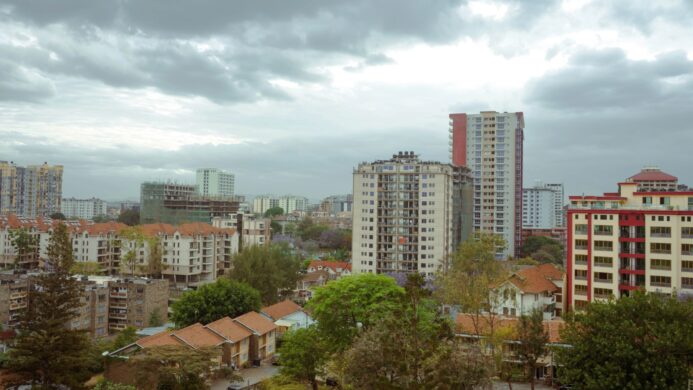
Living in Kilimani, Nairobi: The Complete 2026…
Westlands
Westlands is an established commercial and residential hub with a strong mix of business offices, retail centres, entertainment facilities and premium residential developments.
Its proximity to major commercial areas makes it attractive to professionals, corporate tenants and investors.
Property prices vary depending on the development, apartment size, amenities and exact location.
Kileleshwa
Kileleshwa offers a mix of modern apartments and established residential developments. It is popular among buyers seeking a relatively central location with a quieter residential environment.
The area provides access to schools, shopping centres, healthcare facilities and other essential amenities.
It can be worth exploring for buyers who want a balance between convenience and residential appeal.
Lavington
Lavington is known for its established residential environment, spacious properties, landscaped compounds and premium developments.
It may suit families seeking larger living spaces, as well as buyers interested in high-end apartments and villas.
Its proximity to schools, shopping centres and recreational facilities adds to its appeal.
Karen
Karen is an attractive option for buyers seeking standalone houses, townhouses, gated communities and luxury villas.
The neighbourhood is associated with spacious properties, greenery and a relatively low-density residential environment.
It is particularly suited to buyers who prioritise privacy, outdoor space and a suburban lifestyle, although commuting distances and transport costs should be considered.
Ruaka and Syokimau
Ruaka and Syokimau offer alternative options for buyers seeking value beyond some of Nairobi’s established premium neighbourhoods.
Both areas have experienced residential development and provide access to different commercial and transport corridors.
They may appeal to first-time buyers, growing families and investors looking for apartments at comparatively accessible price points.
Buyers should assess road connectivity, public transport availability, infrastructure and the quality of individual developments before purchasing.
Should You Buy a House or Continue Renting in Nairobi?
Buying a home is not automatically the best financial decision for everyone. Your current income, savings, career plans, family situation and expected length of stay all influence whether purchasing makes sense.
When buying may be the better option
Buying a home may be suitable if:
- You have a stable income and can comfortably manage mortgage repayments.
- You have sufficient savings for a deposit, purchase costs and an emergency fund.
- You intend to stay in the property for several years.
- You want to build long-term equity through homeownership.
- You have identified a property that meets your lifestyle needs and financial objectives.
Homeownership can provide stability, greater control over your living environment and the opportunity to build an asset over time.
However, property values are not guaranteed to increase, and ownership also comes with financial and maintenance responsibilities.
When renting may be more practical
Renting may be a better choice if:
- Your income is variable or you are still building financial stability.
- You expect to relocate for employment, education or other opportunities.
- You have not saved enough for a deposit and transaction costs.
- You prefer flexibility or want to preserve savings for other investments.
- Mortgage repayments and ownership expenses would stretch your monthly budget.
Renting can also allow you to live in a preferred neighbourhood without committing to a large property purchase.
The key is to compare the total cost of renting with the full cost of buying, including interest, maintenance, transaction costs and the opportunity cost of your deposit.
Is Buying Property in Nairobi a Good Investment in 2026?
Nairobi continues to offer opportunities for property investors, but a sound investment decision requires more than identifying a popular neighbourhood.
The right property should align with your investment goals, available capital, expected holding period and tolerance for risk.
Rental income potential
Apartments in locations such as Kilimani, Westlands, Kileleshwa and selected satellite towns may attract tenants because of their access to employment centres, schools, shopping and lifestyle amenities.
However, rental demand differs between developments and property types. Investors should assess achievable rents, vacancy periods, service charges, property management costs and ongoing maintenance before making a purchase.
Capital appreciation
Capital appreciation refers to an increase in the property’s value over time.
Factors that may influence appreciation include:
- Infrastructure improvements.
- Accessibility to commercial and employment centres.
- Demand for housing in the neighbourhood.
- Quality and maintenance of the development.
- Availability of essential amenities.
- Supply of competing properties.
Past price movements should not be treated as a guarantee of future returns. Buyers should use realistic assumptions and consider how long they intend to hold the property.
Long-term security and property quality
A property’s legal status and construction quality are essential to protecting your investment.
Before committing to a purchase, ensure that ownership documents are verified, any relevant approvals are in place and the development meets applicable regulatory requirements.
For off-plan purchases, buyers should also assess the developer’s track record, construction progress, payment structure, completion terms and contractual protections.
A well-located property with sound documentation and good construction quality may offer stronger long-term prospects than a cheaper property with unresolved legal or structural concerns.
How to Calculate Your Home Affordability Before Buying
Before viewing properties, it is worth establishing a realistic budget based on your current financial position.
The following steps can help you approach the process with greater confidence.
Step 1: Calculate your net monthly income
Start with the amount you actually receive after statutory deductions and other payroll deductions.
If you have additional income from business, investments or other sources, include it only if it is reasonably reliable.
Step 2: Review your existing financial commitments
List all your recurring expenses, including:
- Personal loans and other debt repayments.
- Household expenses.
- School fees and dependant-related costs.
- Transport and fuel.
- Insurance premiums.
- Savings and investment contributions.
This will help you determine how much income is genuinely available for a mortgage.
Step 3: Establish a comfortable monthly repayment
Choose a mortgage repayment amount that allows you to maintain your lifestyle, continue saving and manage unexpected expenses.
Do not rely exclusively on the maximum amount a lender is willing to offer.
Step 4: Determine your deposit
Review your savings and decide how much you can comfortably use as a deposit without exhausting your emergency fund.
If your deposit is insufficient, consider a realistic savings plan or explore suitable financing arrangements.
Step 5: Get mortgage estimates
Approach different lenders to compare interest rates, repayment terms, fees, insurance requirements and eligibility criteria.
Request a clear repayment schedule and ask how changes in interest rates could affect your instalments if the loan has a variable rate.
Step 6: Add the cost of purchasing and maintaining the property
Include stamp duty, legal fees, valuation, insurance, service charges, maintenance and moving expenses.
This will give you a more realistic picture of the cash you need upfront and the ongoing costs of ownership.
Step 7: Match your budget to available properties
Once you have established your comfortable purchase price, explore properties in neighbourhoods that meet your requirements.
Compare similar properties, arrange viewings and assess the value offered by each development.
Taking these steps before beginning your search can help you avoid unnecessary expenses, unrealistic expectations and rushed purchasing decisions.
Important Questions to Ask Before Buying a House in Nairobi
Before making an offer, take the time to understand the property and the transaction.
Consider asking:
- Is the title genuine, valid and free from undisclosed encumbrances?
- Does the property have the necessary approvals and relevant compliance documentation?
- Is the asking price consistent with comparable properties and an independent valuation?
- Are there outstanding service charges, land rates or other obligations?
- What is included in the sale agreement?
- What are the monthly ownership and maintenance costs?
- Is the developer reputable, particularly for off-plan developments?
- Does the property meet your current and future lifestyle requirements?
- Is the property likely to remain suitable if your household or financial circumstances change?
A qualified property lawyer and independent valuer can help you identify risks before you commit financially.
Common Mistakes to Avoid When Buying a Home
Even buyers with sufficient income and savings can make costly mistakes if they overlook important details.
Borrowing more than you can comfortably repay: A large mortgage can limit your ability to save, invest and manage unexpected financial obligations.
Using all your savings for the deposit: Retaining an emergency fund can protect you from unexpected costs after moving into your new home.
Choosing a property based only on location: An attractive neighbourhood does not compensate for poor construction quality, inadequate management or an unsuitable property layout.
Ignoring additional costs: Transaction fees, insurance, service charges and maintenance can significantly increase the total cost of ownership.
Failing to conduct due diligence: Always verify the property’s legal status and the seller’s authority to transfer ownership before making substantial payments.
Rushing into a purchase: Compare several properties, review the financial implications and seek professional advice before signing binding agreements.
A well-informed decision can make the difference between a property that supports your long-term goals and one that creates unnecessary financial pressure.
Final Thoughts: Finding a Home That Fits Your Financial Goals
Determining how much house you can afford in Nairobi in 2026 involves more than comparing your income with property prices. It requires a clear understanding of your financial position, borrowing capacity, deposit, preferred neighbourhood and the long-term costs of homeownership.
Whether you are considering a modern apartment in Kilimani, a family home in Lavington or a luxury villa in Karen, the most suitable property is one that offers lasting value while remaining within your financial comfort zone.
Take the time to assess your options, compare mortgage products, verify property documentation and explore neighbourhoods that suit your lifestyle. A carefully planned purchase can provide not only a place to call home but also an opportunity to build long-term financial security.
At Block Real Estate, we believe that finding the right property begins with understanding your needs and aspirations. Our team can help you explore suitable homes, compare available options and navigate Nairobi’s property market with greater confidence.
Ready to find a home that fits your budget and lifestyle? Explore available properties with Block Real Estate and take the next step towards owning a home in Nairobi.